Tier 4 Final DEF Systems: Preventing Crystallization and SCR Failures

10 min read

Tier 4 Final diesel engines rely on Selective Catalytic Reduction (SCR) systems and Diesel Exhaust Fluid (DEF) to meet strict emissions limits. DEF quality, storage conditions, and crystallization directly affect SCR reliability. This article explains how DEF works, why problems occur, and how proper handling and stabilization can reduce injector clogging, fault codes, and downtime.

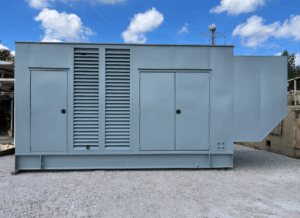
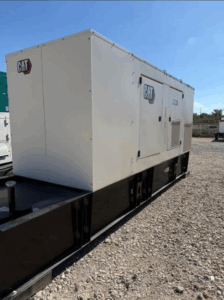
Tier 4 Final diesel engine with SCR and DEF emissions system installed
Modern Tier 4 Final diesel engine equipped with SCR and DEF system for reduced emissions and improved efficiency.

Overview

Tier 4 Final emissions regulations require modern diesel engines to achieve substantial reductions in nitrogen oxide (NOx) and particulate matter emissions. These regulations were implemented by the U.S. Environmental Protection Agency (EPA) to reduce environmental and health impacts from diesel-powered equipment used in construction, power generation, agriculture, transportation, and industrial applications. To meet these requirements, most manufacturers adopted Selective Catalytic Reduction (SCR) systems that use Diesel Exhaust Fluid (DEF) as a chemical reagent to convert NOx into harmless nitrogen and water vapor.

SCR systems are highly effective at reducing emissions and improving engine efficiency compared to earlier emissions strategies. However, SCR performance depends heavily on DEF quality, storage conditions, and proper dosing. Even minor contamination, crystallization, or degradation of DEF can disrupt system operation. As a result, DEF-related issues are widely recognized as a leading cause of SCR fault codes, power derates, and unplanned downtime, particularly in standby generators, fleets, and equipment with intermittent or seasonal usage patterns.


Tier 4 Final and SCR Systems

Tier 4 Final standards require NOx emissions reductions of up to approximately 90 percent compared to pre-Tier 4 engines. To achieve these reductions without significantly reducing engine performance, most diesel engine manufacturers adopted SCR technology as the primary emissions-control strategy. SCR systems inject DEF into the exhaust stream upstream of a catalyst. Inside the catalyst, ammonia derived from DEF reacts with nitrogen oxides and converts them into nitrogen and water vapor.

A typical Tier 4 Final aftertreatment system includes:

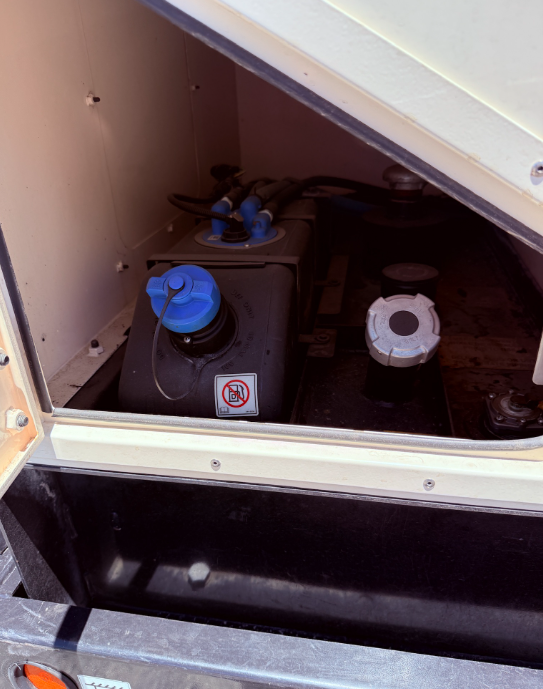
  • DEF storage tank and supply module
  • DEF dosing injector
  • SCR catalyst
  • Diesel particulate filter (DPF) in many applications
  • NOx sensors (upstream and downstream)
  • Temperature sensors and control modules

These components operate together as a closed-loop emissions system. Sensors continuously monitor exhaust composition and temperature to ensure proper dosing and conversion efficiency. Because the system relies on precise chemical reactions and sensor feedback, any irregularity in DEF composition, delivery, or atomization can quickly trigger warning lights, fault codes, or engine derate conditions.
Overview

Tier 4 Final emissions regulations require modern diesel engines to achieve substantial reductions in nitrogen oxide (NOx) and particulate matter emissions. These regulations were implemented by the U.S. Environmental Protection Agency (EPA) to reduce environmental and health impacts from diesel-powered equipment used in construction, power generation, agriculture, transportation, and industrial applications. To meet these requirements, most manufacturers adopted Selective Catalytic Reduction (SCR) systems that use Diesel Exhaust Fluid (DEF) as a chemical reagent to convert NOx into harmless nitrogen and water vapor.

SCR systems are highly effective at reducing emissions and improving engine efficiency compared to earlier emissions strategies. However, SCR performance depends heavily on DEF quality, storage conditions, and proper dosing. Even minor contamination, crystallization, or degradation of DEF can disrupt system operation. As a result, DEF-related issues are widely recognized as a leading cause of SCR fault codes, power derates, and unplanned downtime, particularly in standby generators, fleets, and equipment with intermittent or seasonal usage patterns.


Tier 4 Final and SCR Systems

Tier 4 Final standards require NOx emissions reductions of up to approximately 90 percent compared to pre-Tier 4 engines. To achieve these reductions without significantly reducing engine performance, most diesel engine manufacturers adopted SCR technology as the primary emissions-control strategy. SCR systems inject DEF into the exhaust stream upstream of a catalyst. Inside the catalyst, ammonia derived from DEF reacts with nitrogen oxides and converts them into nitrogen and water vapor.

A typical Tier 4 Final aftertreatment system includes:

  • DEF storage tank and supply module
  • DEF dosing injector
  • SCR catalyst
  • Diesel particulate filter (DPF) in many applications
  • NOx sensors (upstream and downstream)
  • Temperature sensors and control modules

These components operate together as a closed-loop emissions system. Sensors continuously monitor exhaust composition and temperature to ensure proper dosing and conversion efficiency. Because the system relies on precise chemical reactions and sensor feedback, any irregularity in DEF composition, delivery, or atomization can quickly trigger warning lights, fault codes, or engine derate conditions.


DEF Chemistry and Behavior

Diesel Exhaust Fluid, also known as AUS 32, is a standardized solution consisting of 32.5% high-purity urea and 67.5% deionized water. This exact concentration is specified by ISO 22241 to ensure consistent chemical behavior and freezing characteristics. The 32.5% ratio provides the lowest possible freezing point for a urea-water solution while maintaining predictable decomposition properties during injection into hot exhaust.

When DEF is injected into exhaust gases:

  1. Water in the DEF rapidly vaporizes
  2. Urea thermally decomposes into ammonia (NH3) and isocyanic acid
  3. Additional reactions convert these compounds into usable ammonia
  4. Ammonia reacts with NOx over the SCR catalyst
  5. The final reaction produces nitrogen (N2) and water (H2O)

These reactions only occur efficiently within specific temperature ranges. If exhaust temperatures are too low, incomplete decomposition can lead to deposit formation. If temperatures are too high, ammonia may oxidize or fail to react efficiently. Proper DEF atomization and purity are therefore critical to maintaining efficient SCR performance.

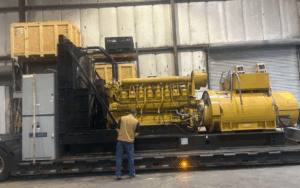
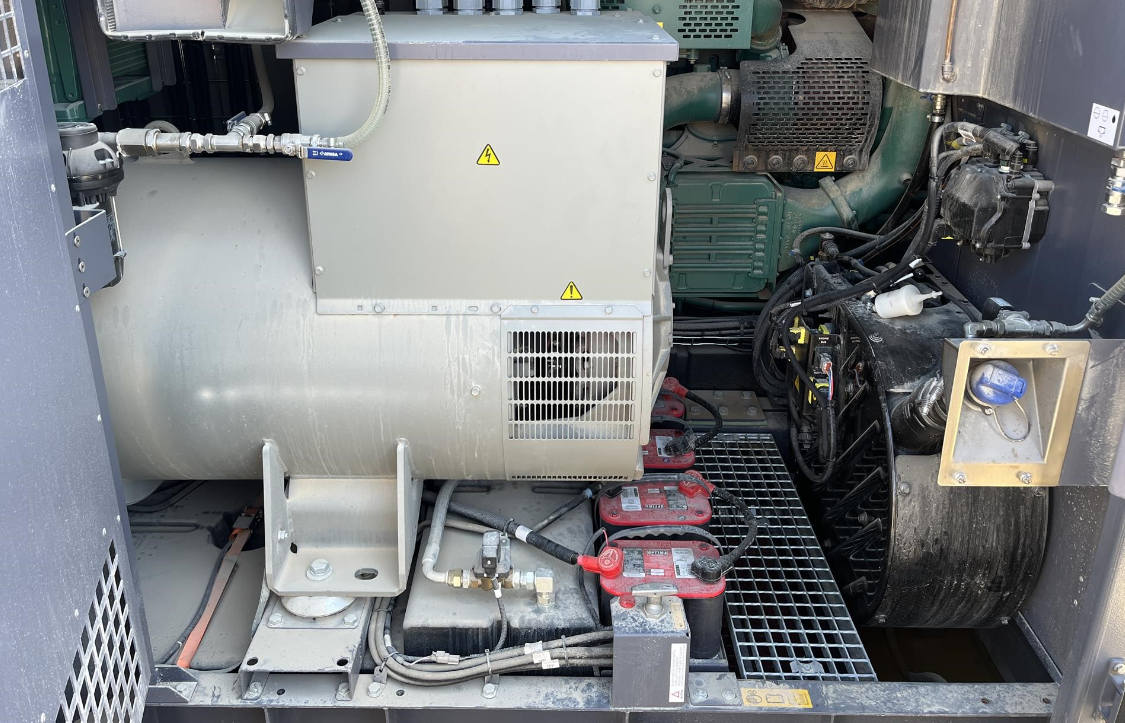
Tier 4 Final diesel engine showing SCR aftertreatment and DEF components
Tier 4 Final diesel engine featuring SCR aftertreatment and Diesel Exhaust Fluid (DEF) components.
ConditionUntreated DEFStabilized DEF (NüDEF)SCR System ImpactOperational Result
Long-term DEF storageHigher risk of degradation and crystallizationImproved DEF stability during storageReduced injector and line depositsFewer SCR fault codes
Intermittent engine operationHeat soak promotes urea crystal buildupReduced crystal adhesion at injector tipMore consistent DEF dosingImproved SCR reliability
Cold temperature exposureFreeze–thaw cycles increase deposit formationImproved DEF behavior after thawLower injector restriction riskReduced cold-start derates
Low DEF consumptionDEF stagnates in tank and linesStabilized DEF during low flow conditionsMaintained SCR efficiencyMore consistent emissions control
Standby generatorsDEF sits unused for extended periodsMaintains DEF quality during standbyCleaner SCR componentsIncreased equipment uptime

DEF Storage Stability and Degradation

DEF is chemically stable when stored properly in sealed containers within recommended temperature ranges. However, real-world conditions often introduce environmental factors that can affect DEF quality over time. Exposure to heat, sunlight, air, or contaminants can accelerate evaporation or introduce impurities that affect SCR performance.

DEF typically has a shelf life of one to two years when stored between approximately 12°F and 86°F. Above this range, water evaporation can increase urea concentration, potentially leading to crystallization. Below this range, DEF may freeze. While freezing does not permanently damage DEF, repeated freeze-thaw cycles combined with air exposure can lead to deposit formation or concentration inconsistencies.

Contamination is another major concern. DEF must remain extremely pure to function correctly in SCR systems. Even small amounts of fuel, coolant, tap water, or dirt can cause sensor faults, catalyst damage, or injector blockage. For this reason, industry and OEM guidance emphasize using dedicated DEF containers, pumps, and storage equipment.


Crystallization and Failure Modes

One of the most common DEF-related issues in SCR systems is urea crystallization. DEF freezes at approximately 12°F (-11°C), but crystallization can occur at much higher temperatures due to evaporation, heat soak, and intermittent dosing conditions. When water evaporates from DEF droplets or residue, remaining urea can form solid crystals that adhere to injector tips, mixers, and exhaust surfaces.

Crystalline deposits can:

  • Restrict or block DEF injector flow
  • Distort spray patterns
  • Interfere with proper ammonia formation
  • Trigger SCR efficiency or “poor DEF quality” fault codes
  • Cause repeated engine derates

Research has shown that deposit formation is influenced by exhaust temperature, injector design, spray characteristics, and DEF quality. Equipment with low runtime or frequent start-stop cycles—such as standby generators—can be particularly susceptible because DEF may remain in lines and injectors without sufficient flow to prevent buildup.


DEF Stabilization and NüDEF

NüDEF is marketed as a DEF stabilizer intended to address the physical behavior of DEF during storage and use. According to manufacturer documentation, the product is designed to help reduce crystal formation, limit deposit adhesion, and support DEF stability during extended storage periods. The manufacturer states that the formulation is compatible with SCR systems and does not change DEF concentration or interfere with the chemical reactions required for NOx reduction.

DEF stabilization products are most commonly used in applications where DEF may remain unused for extended periods, such as backup generators, seasonal equipment, agricultural machinery, or low-duty-cycle fleets. In these environments, maintaining DEF quality and minimizing deposit formation can support consistent SCR performance and reduce maintenance events. As with all additives, outcomes depend on proper dosing, handling, and adherence to manufacturer instructions.


Best Practices for DEF Handling and SCR Reliability

Maintaining DEF quality is essential for reliable SCR operation. Industry organizations and OEMs consistently recommend the following practices:

  • Store DEF in sealed, clean containers away from direct sunlight
  • Maintain storage temperatures generally between 12°F and 86°F
  • Use dedicated DEF transfer equipment only
  • Avoid mixing DEF with other fluids or using non-approved containers
  • Monitor DEF levels and avoid long-term storage in partially filled tanks
  • Inspect injectors and dosing systems periodically in low-use equipment

Following these guidelines helps preserve DEF purity and reduces the likelihood of crystallization, contamination, and SCR system faults.

Pro Tips
1
Treat DEF Before Storage
Add DEF stabilizer before long storage periods to help maintain DEF quality and reduce crystallization risk.
2
Avoid Partial Containers
Minimize air space in DEF containers to reduce evaporation and concentration changes.
3
Use Dedicated DEF Equipment
Always use DEF-only pumps, funnels, and containers to prevent contamination that can damage SCR components.
4
Monitor DEF Temperature
Store DEF between approximately 12°F and 86°F whenever possible to preserve stability and shelf life.
5
Pay Attention to Low Runtime Equipment
Generators and seasonal equipment experience higher DEF-related failure rates due to low-duty cycles extra care is required.
6
Treat Before Winter Layup
Stabilize DEF prior to winter shutdowns to reduce freeze–thaw-related deposit formation.
Frequently Asked Questions
Why do Tier 4 Final engines rely on DEF?+

DEF enables SCR systems to chemically reduce NOx emissions, allowing engines to meet Tier 4 Final regulatory limits.

What happens if DEF quality is poor?+

Poor DEF quality can cause injector clogging, SCR efficiency faults, NOx sensor errors, and engine derates.

Does frozen DEF damage the system?+

Freezing alone does not damage DEF, but repeated freeze–thaw cycles can promote urea crystallization and deposits.

Can DEF crystallize above freezing temperatures?+

Yes. Crystallization can occur due to heat soak, evaporation, air exposure, and low-flow dosing conditions.

Are DEF additives safe for SCR systems?+

Compatibility depends on formulation and manufacturer guidance. Additives designed to stabilize DEF behavior are commonly used when applied correctly.

Is DEF standardized?+

Yes. DEF composition and quality are governed by ISO 22241.

When is DEF stabilization most beneficial?+

DEF stabilization is most useful in generators, seasonal equipment, low-runtime engines, and applications with extended DEF storage.

Does NüDEF change DEF chemistry?+

According to manufacturer documentation, NüDEF is intended to stabilize DEF behavior without altering its chemical role in SCR reactions.

Protect Your Tier 4 Final DEF System

SCR systems depend on clean, stable DEF. If your equipment experiences injector clogging, fault codes, or downtime, our team can help you determine the right DEF handling and stabilization approach for your application.

Contact Our Experts →
Power Generation Enterprises

Written by Power Generation Enterprises

Generator Specialist
Expert contributor at Power Generation Enterprises with extensive knowledge in diesel generators and industrial power solutions.