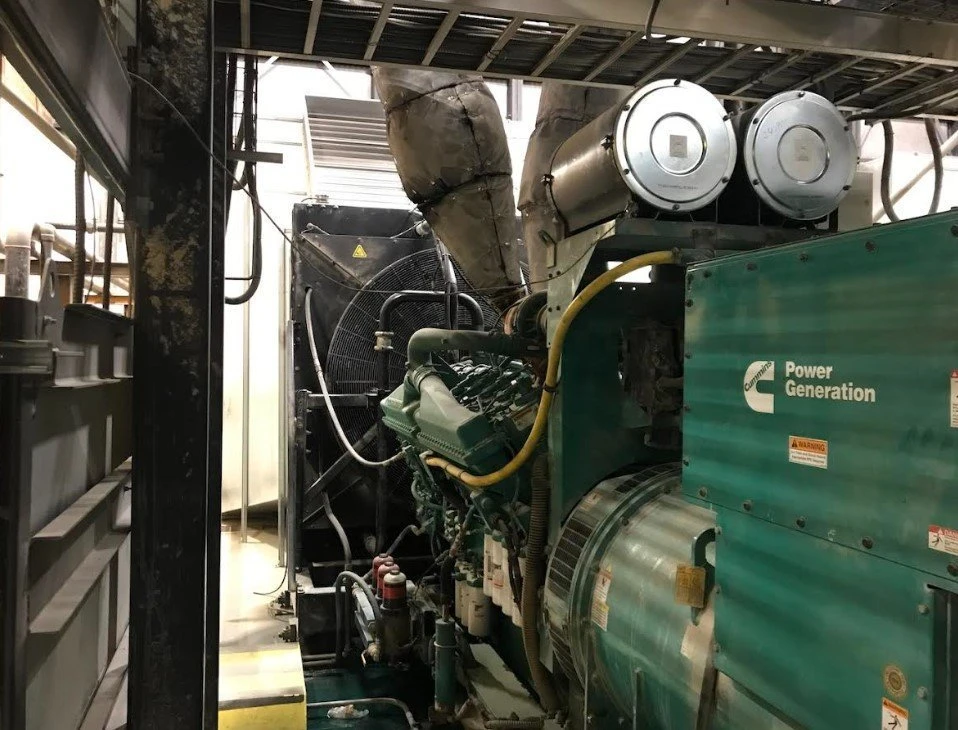
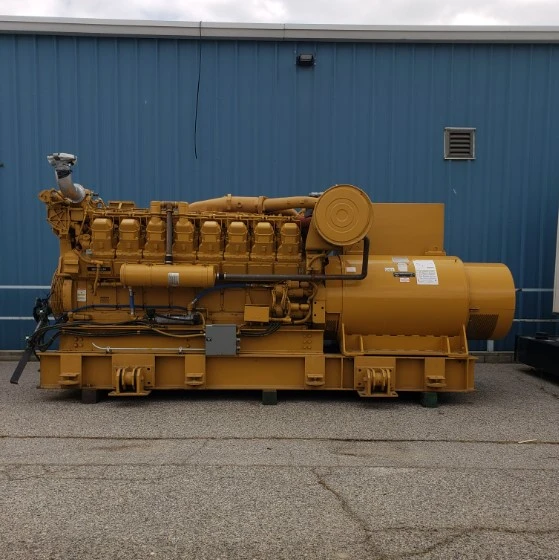
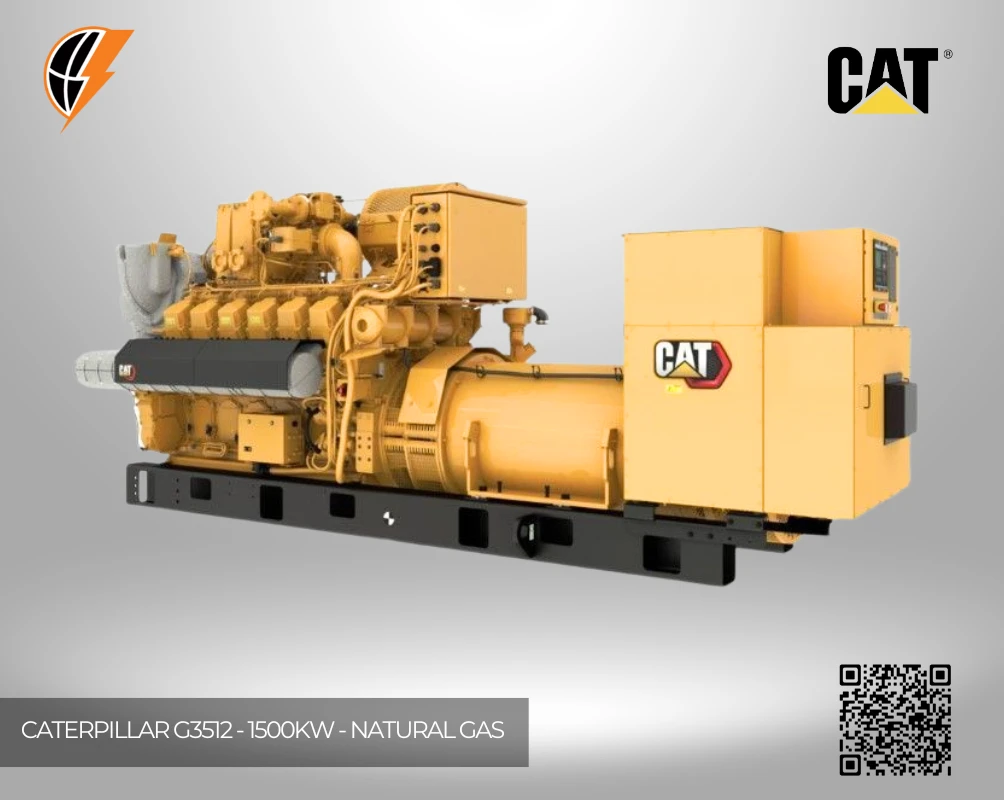
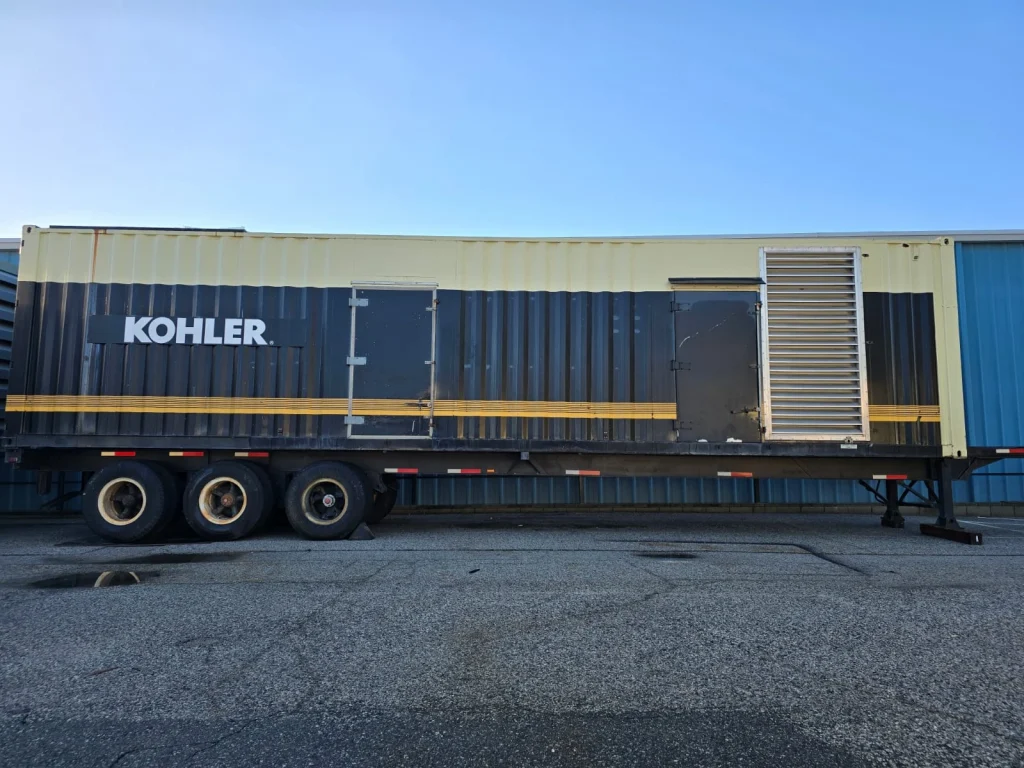
Key Facts: 70 units in stock, $80K–$350K, CAT 3516 / Cummins QSK60 / MTU 16V4000 / Kohler 1500REOZE — standby and prime ratings, Tier 2 and Tier 4 Final, ships nationwide from Santa Clarita, CA.
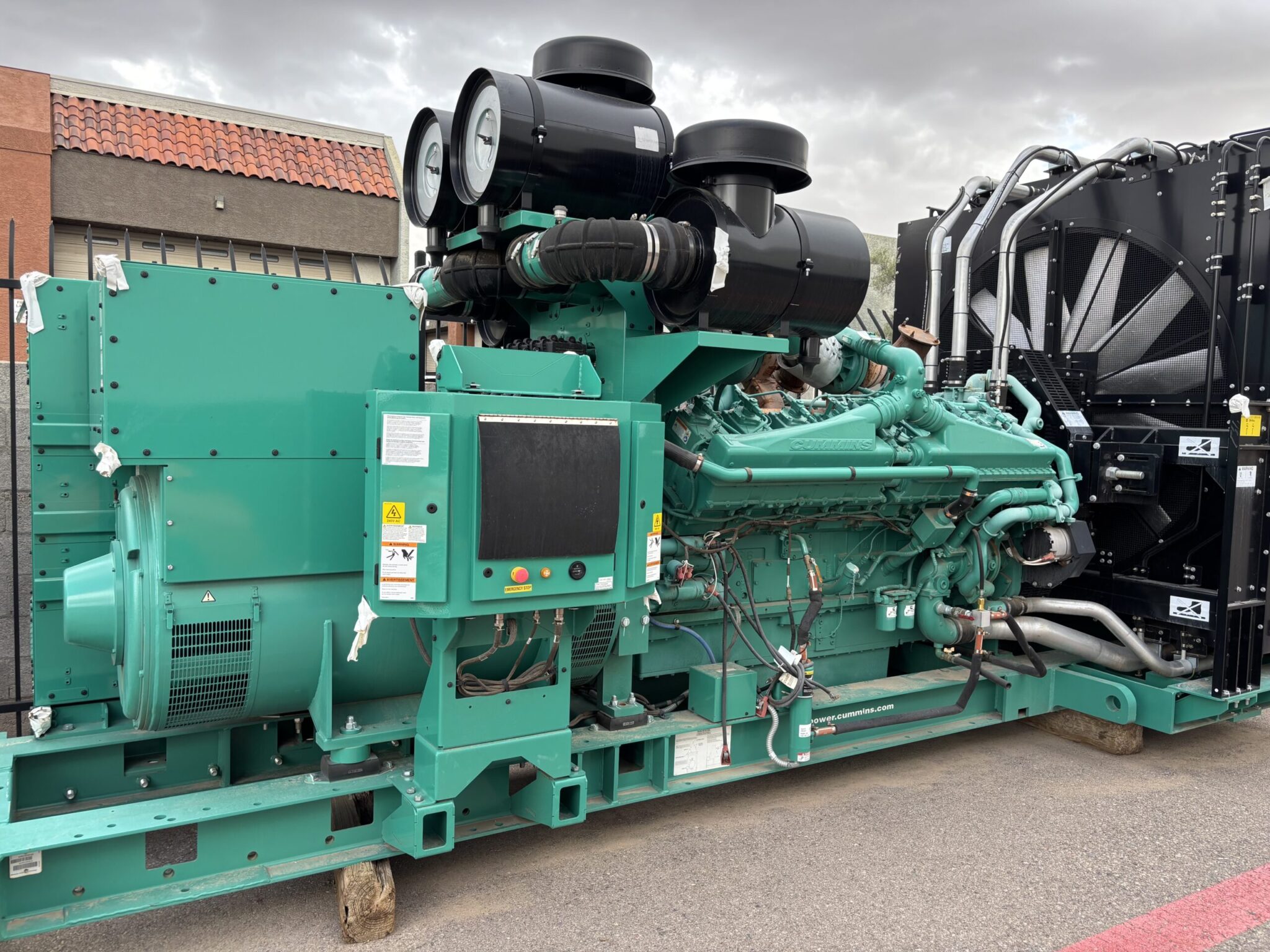
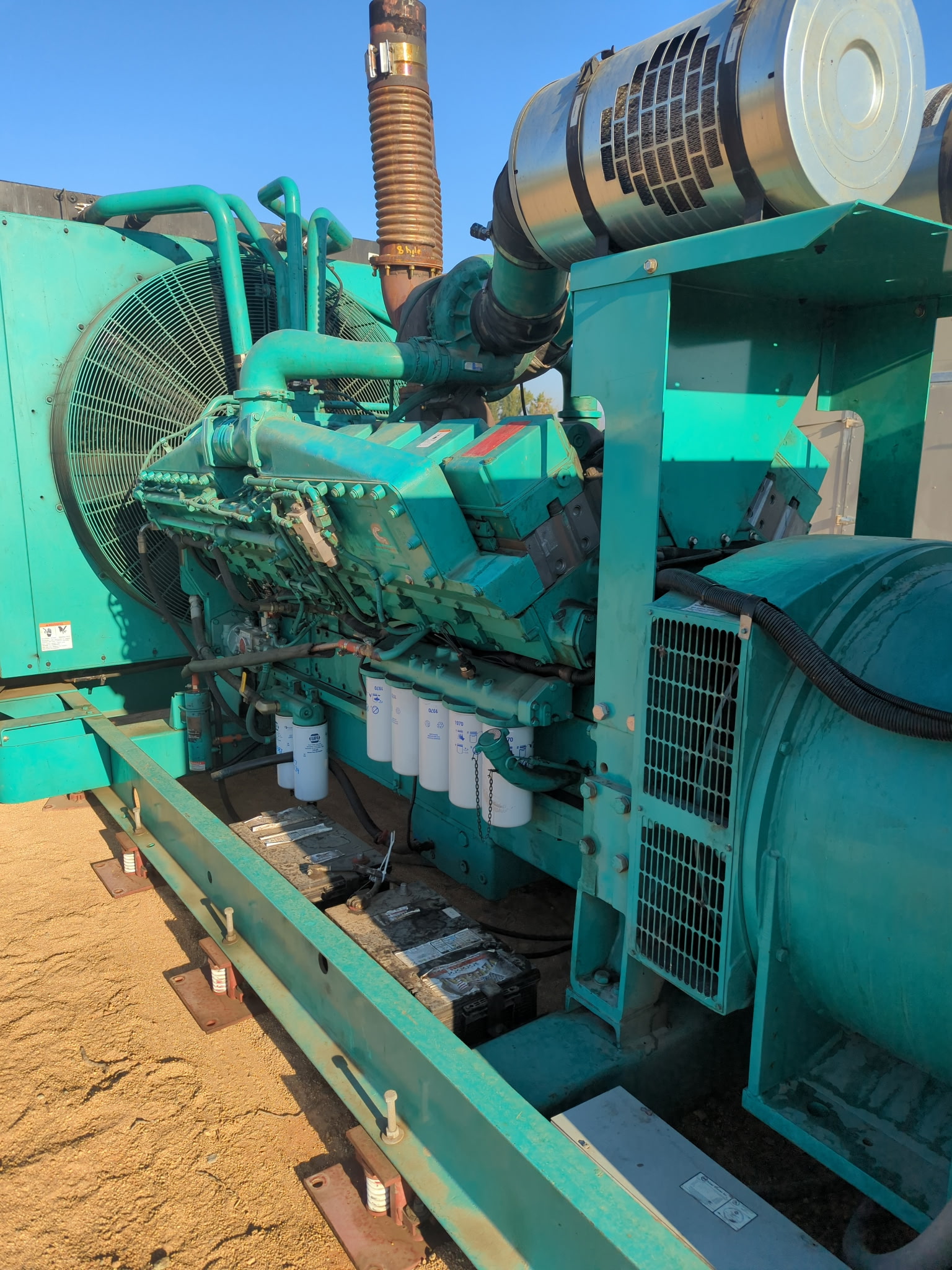
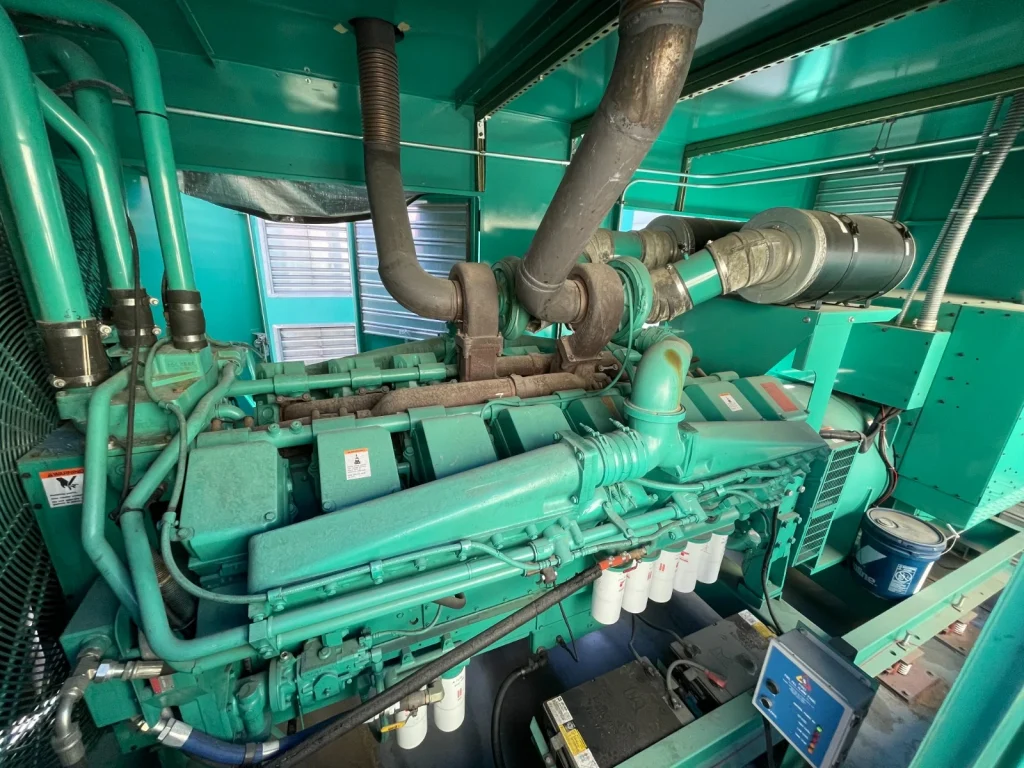
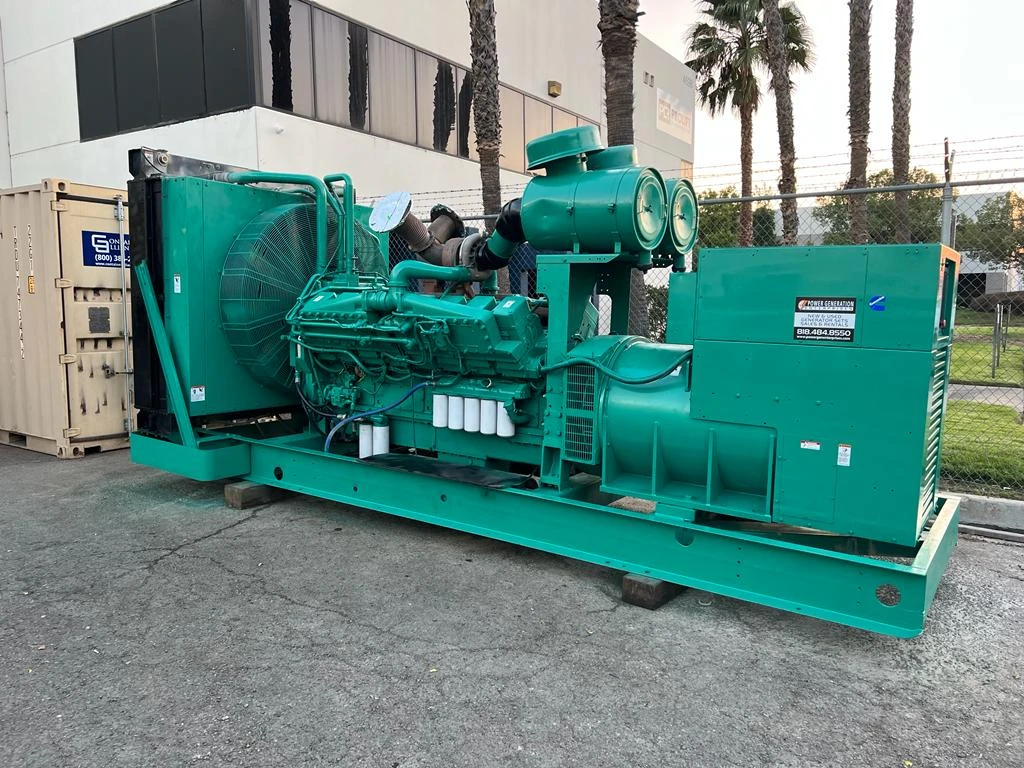
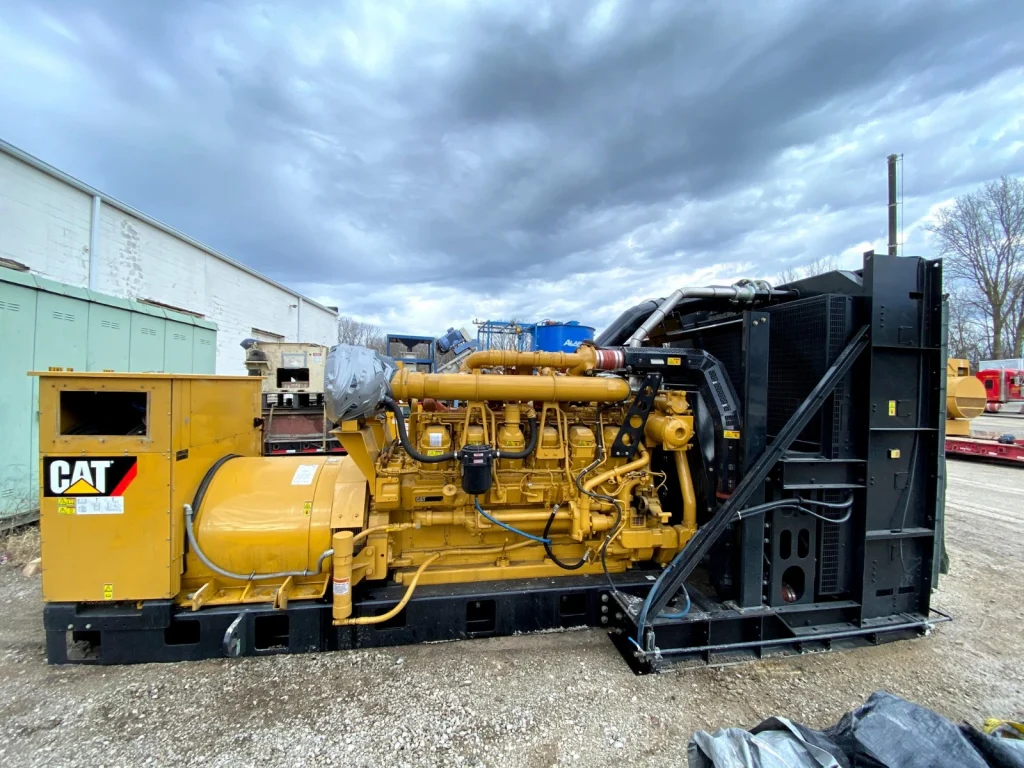
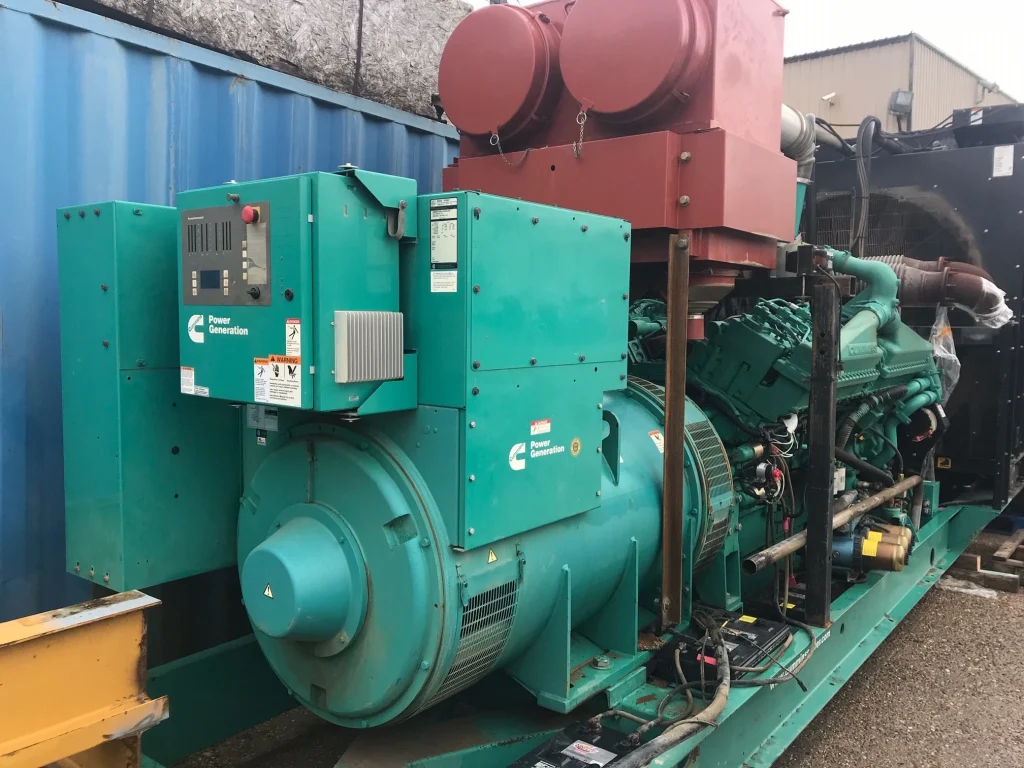
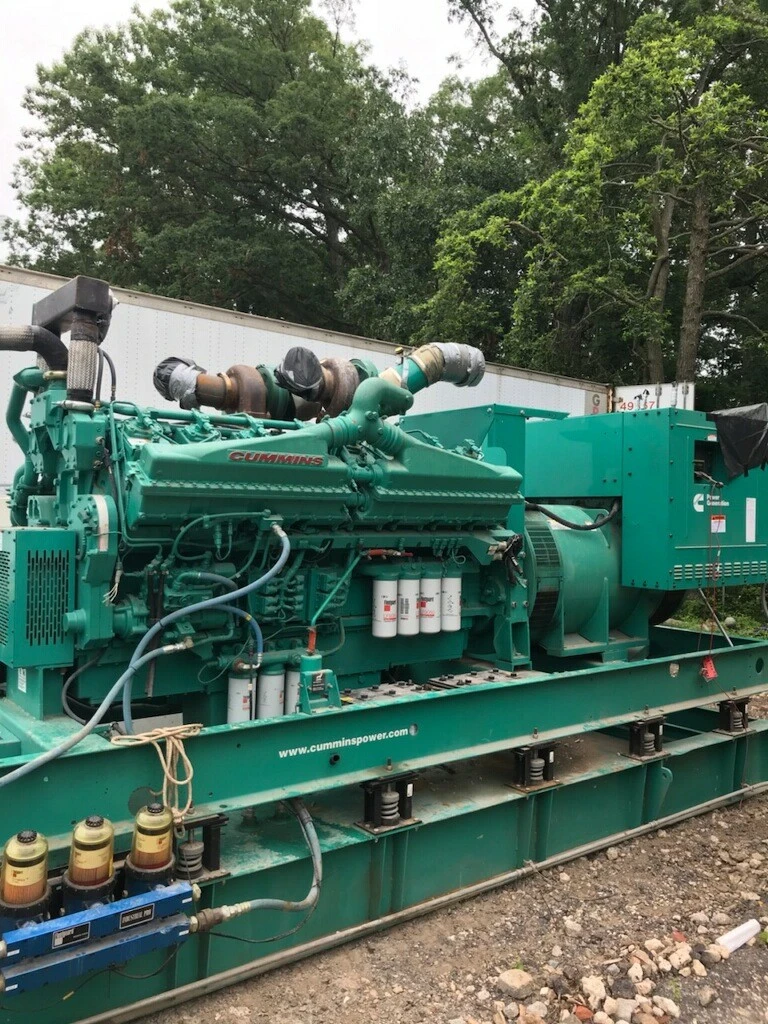
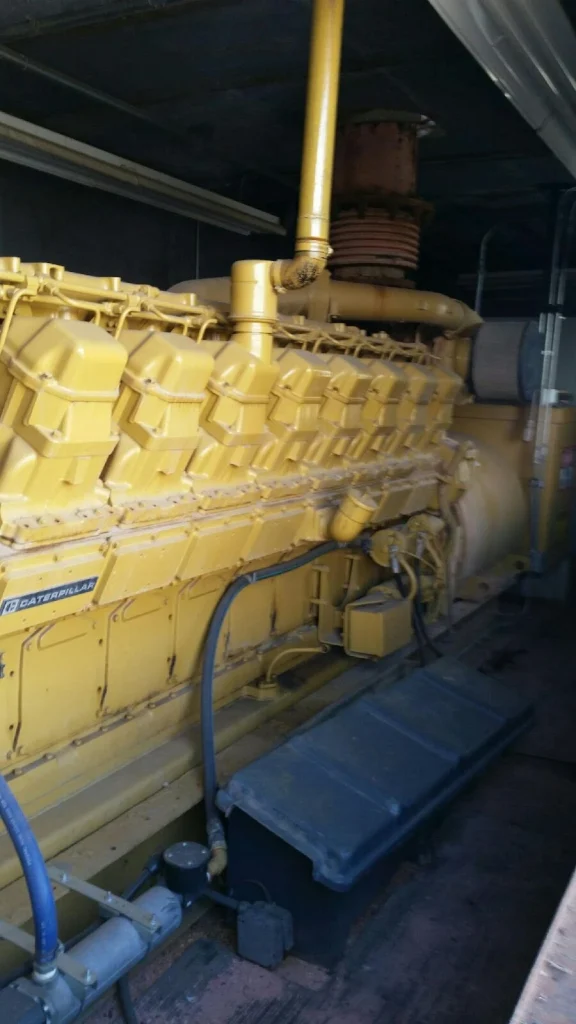
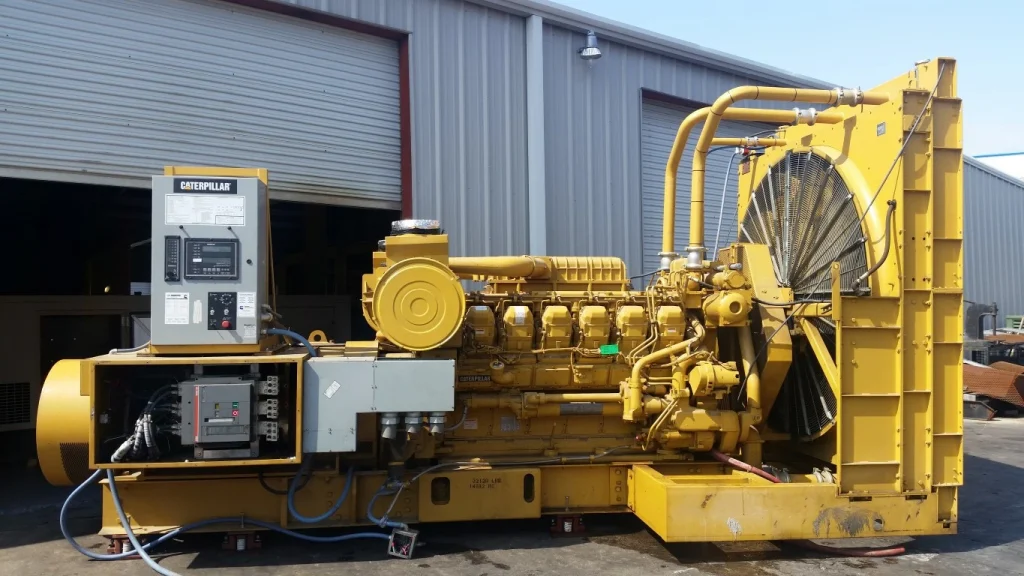
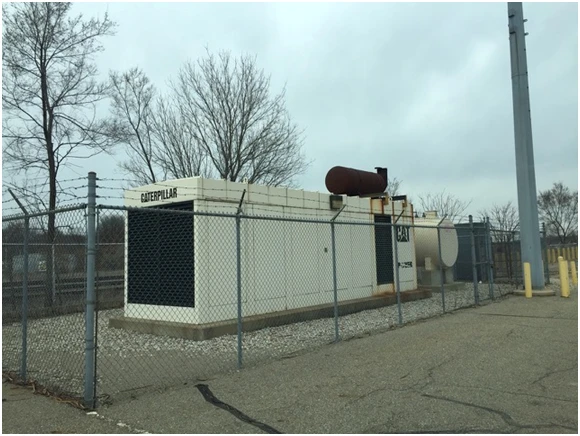
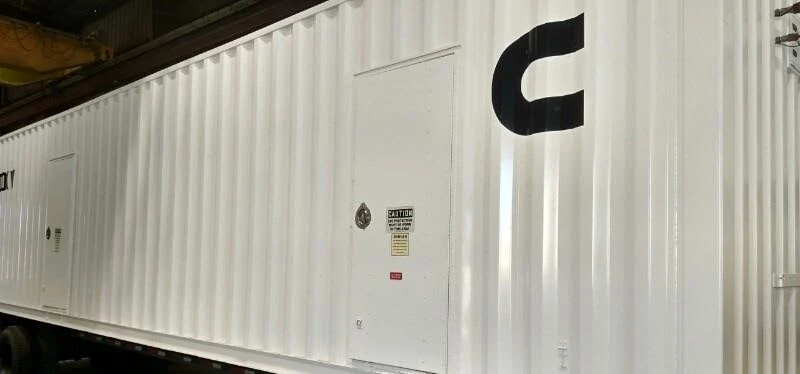
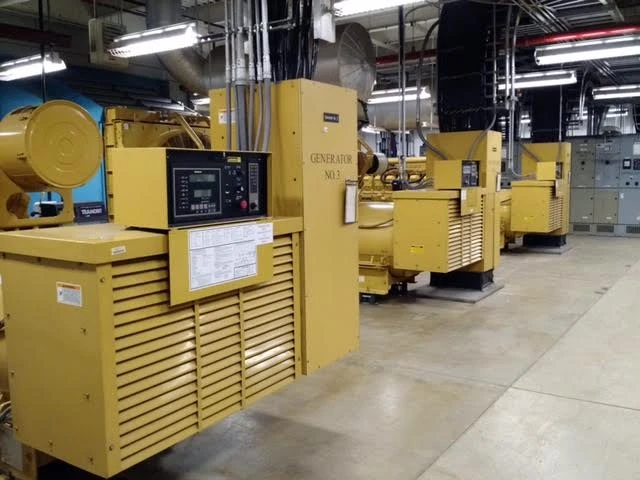
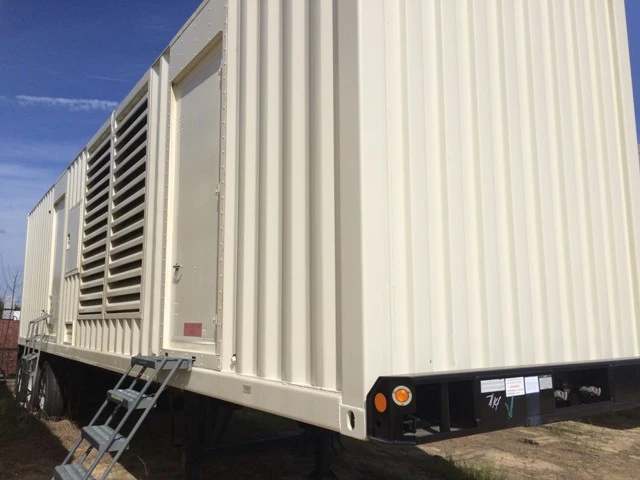
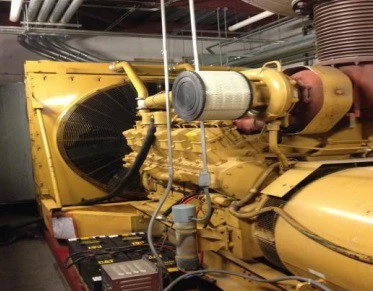
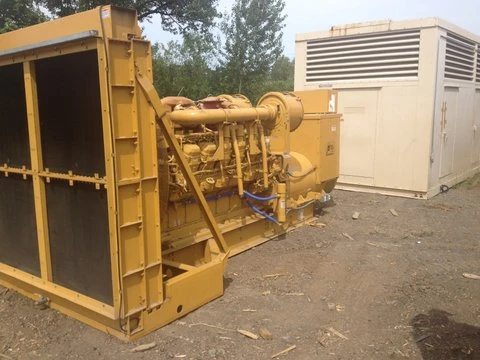
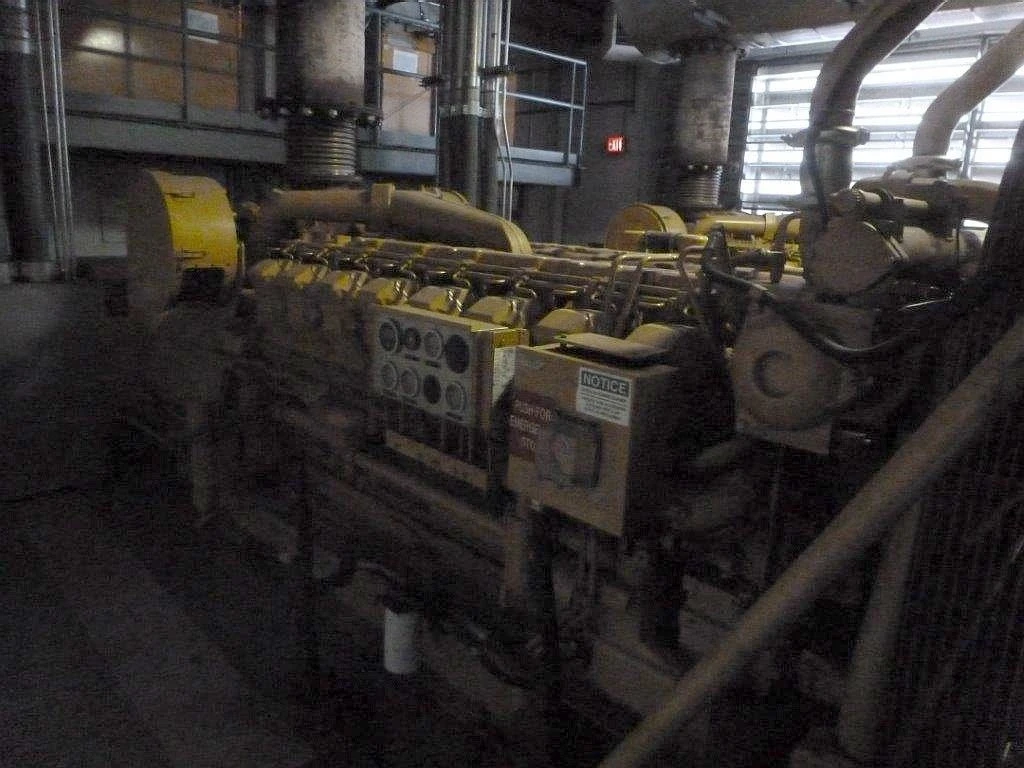
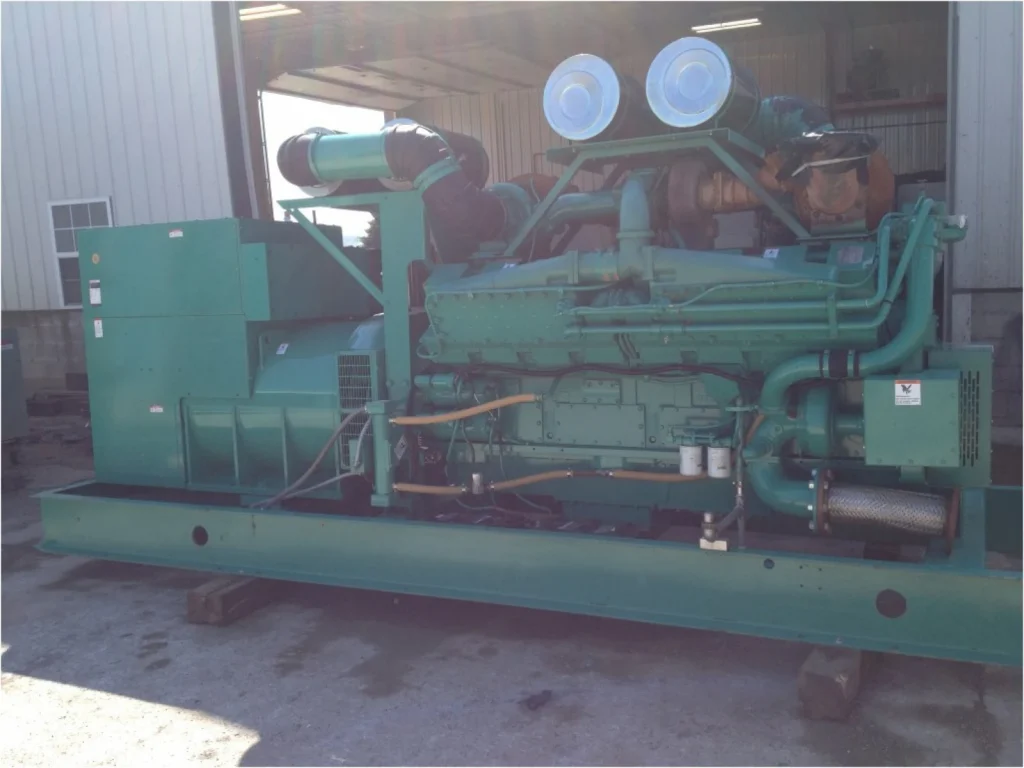
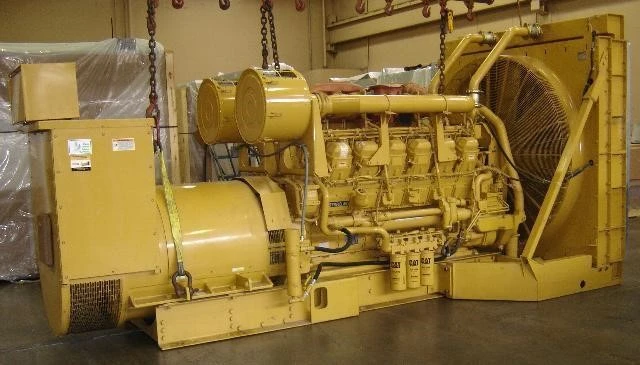
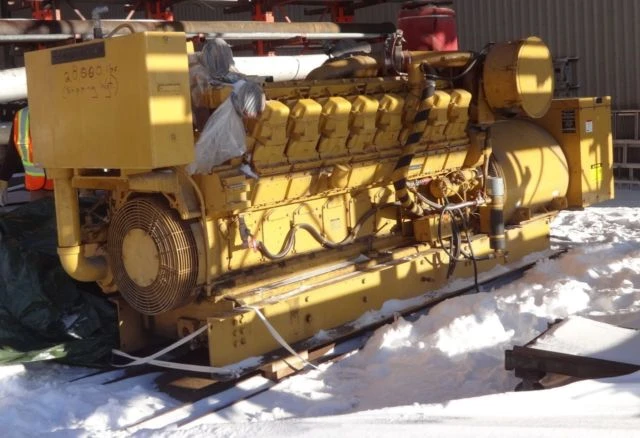
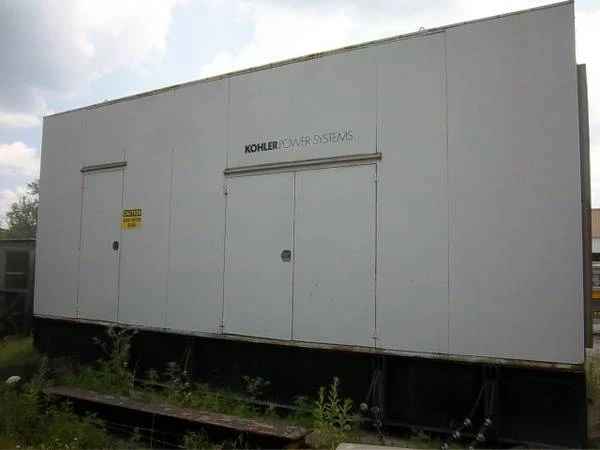
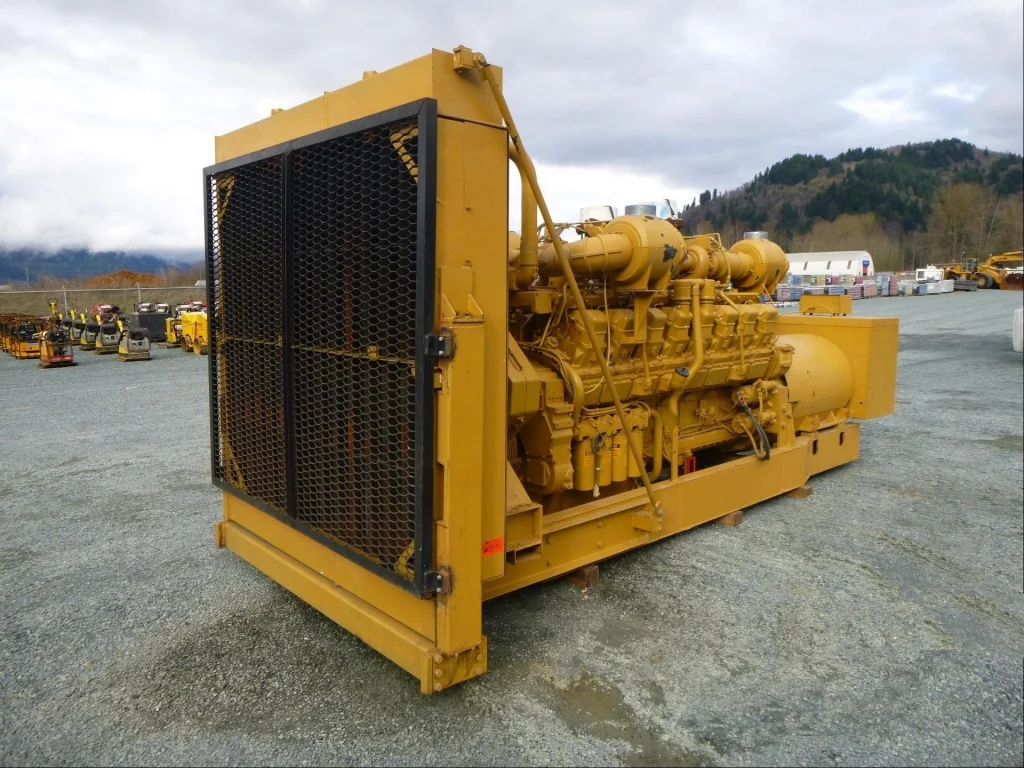
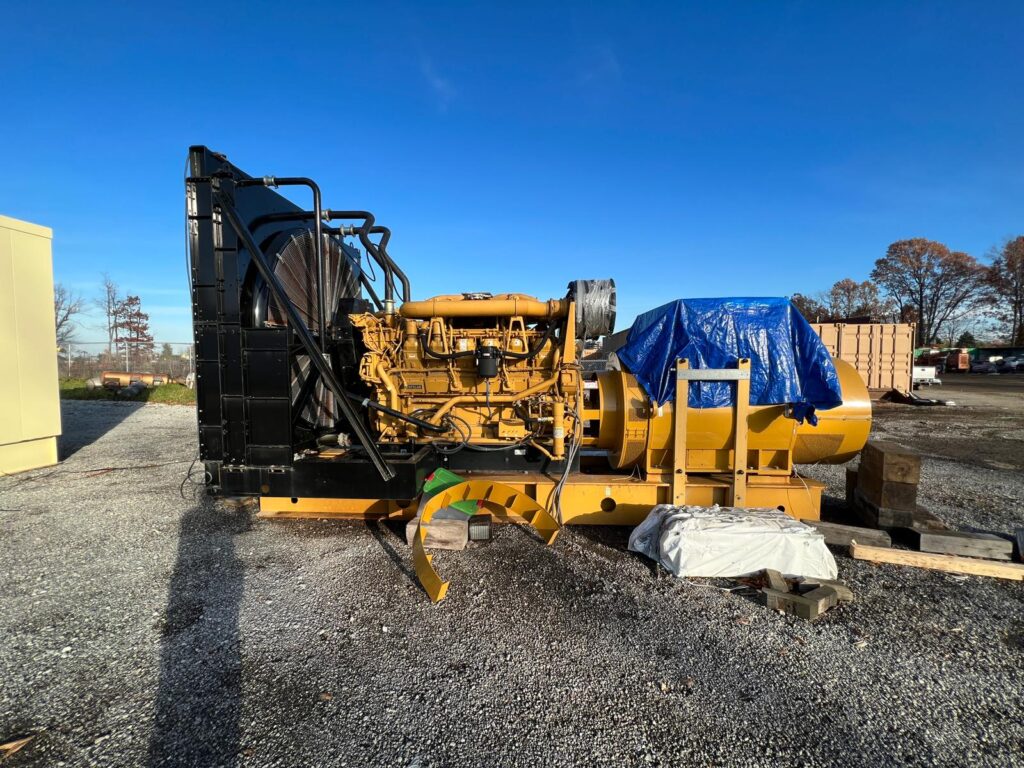
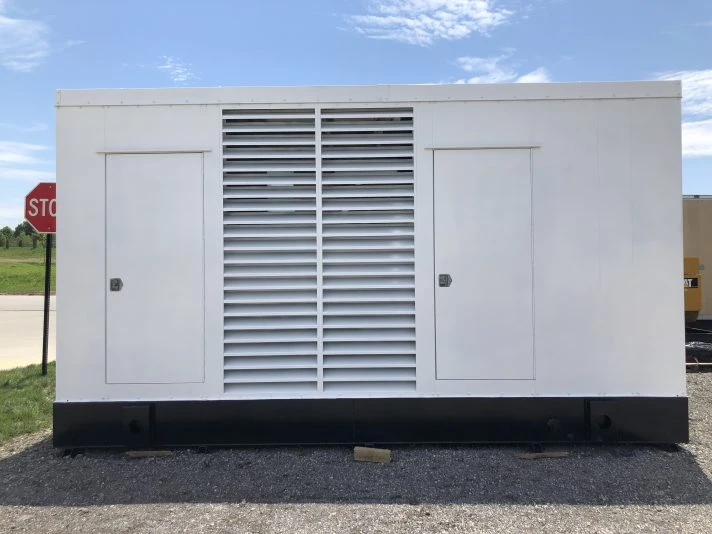
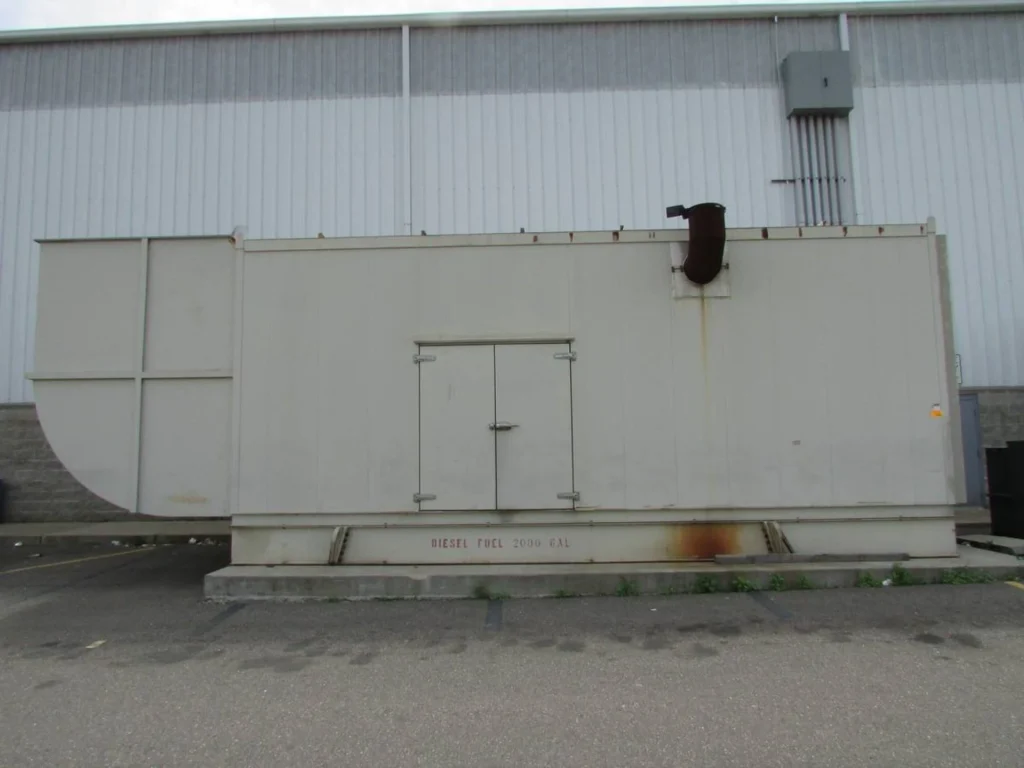
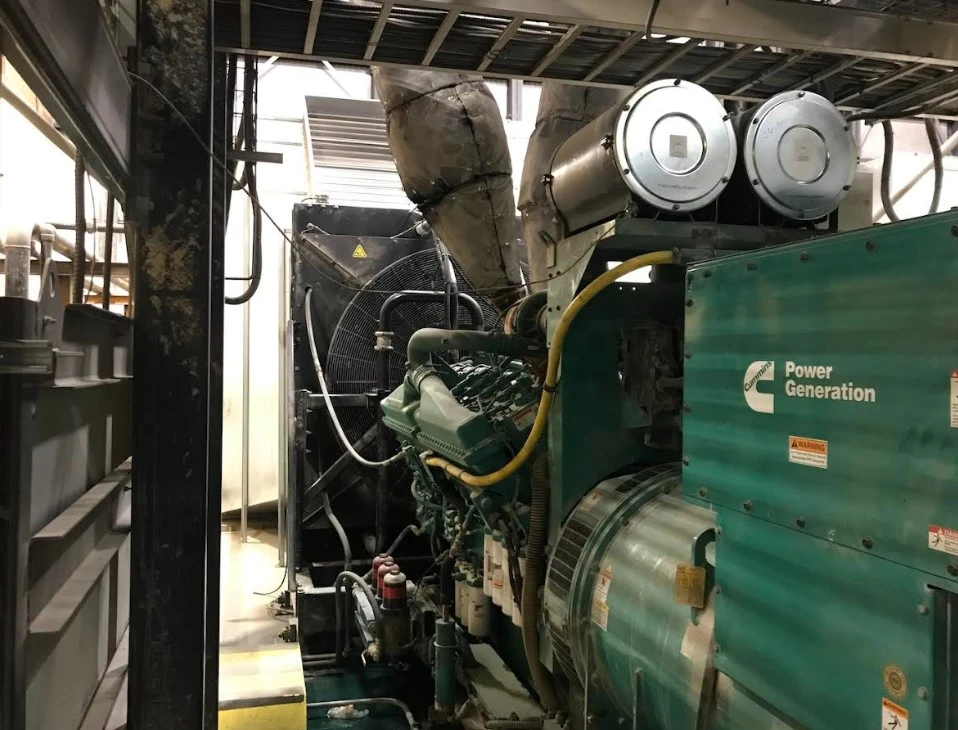
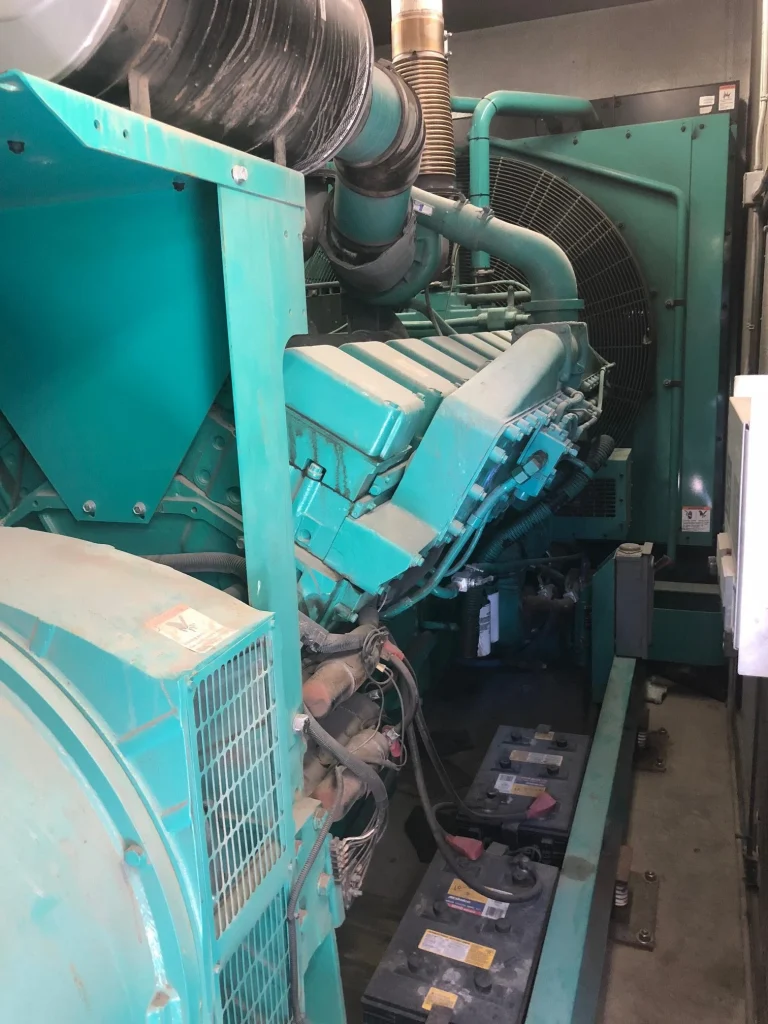
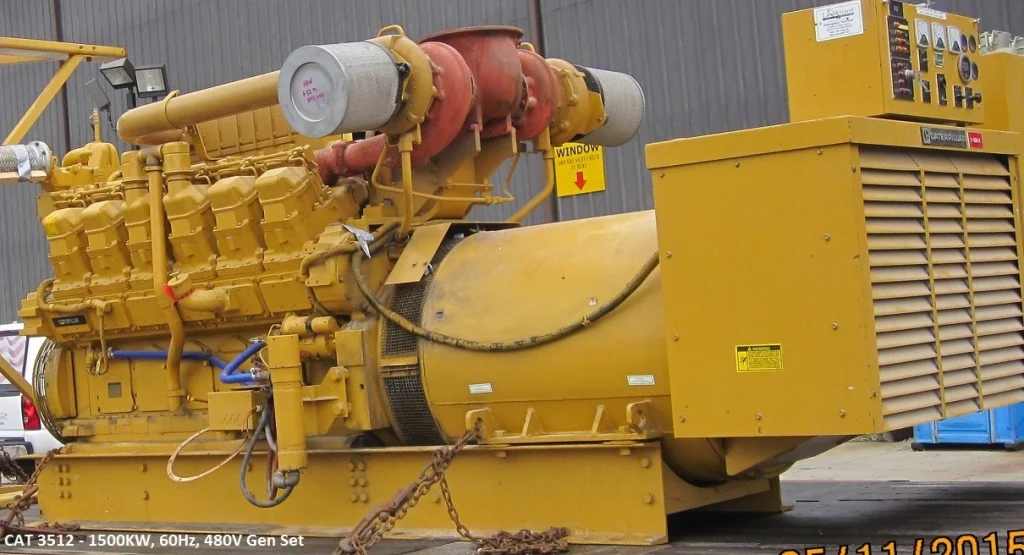
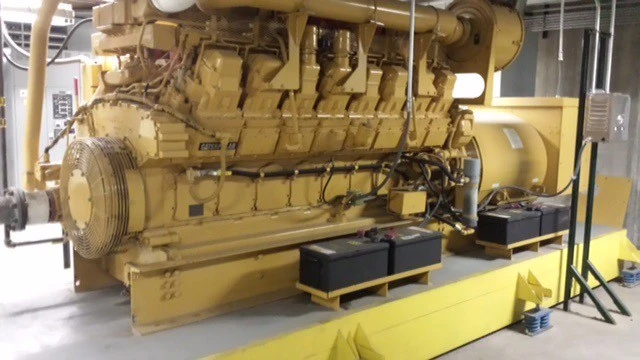
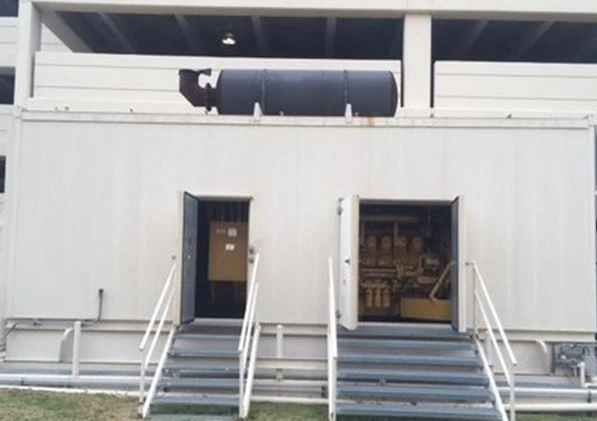
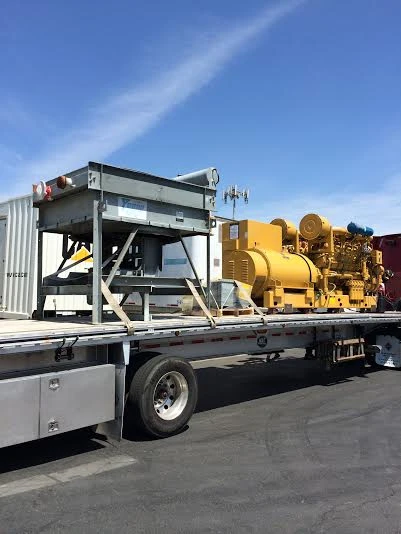
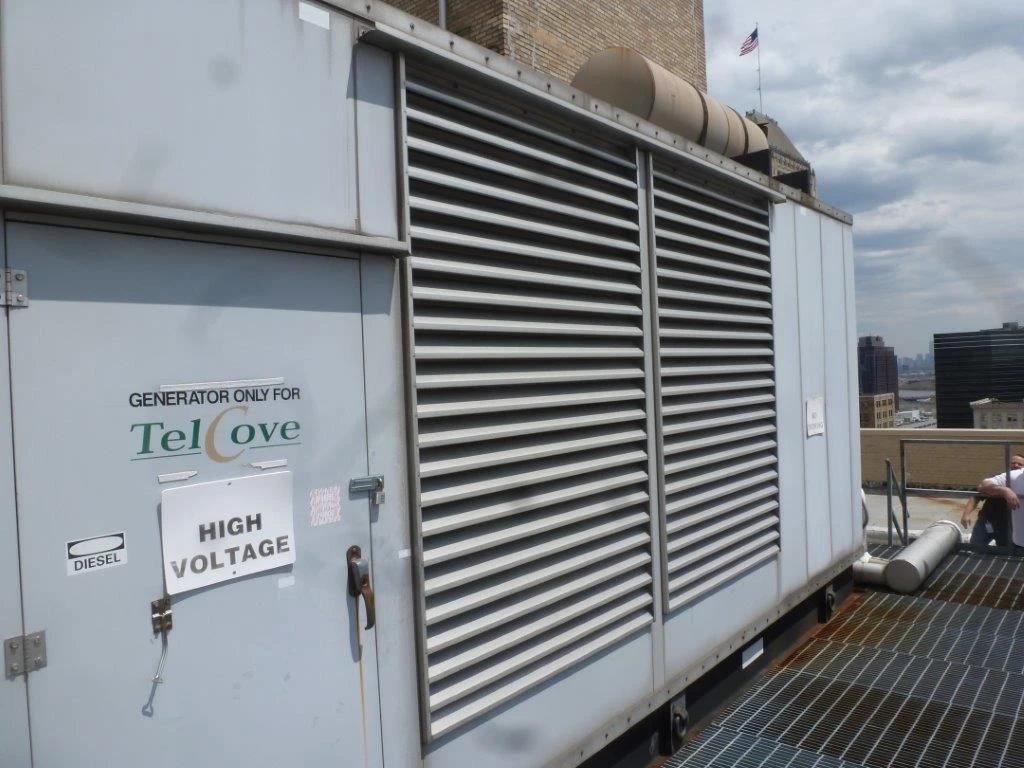
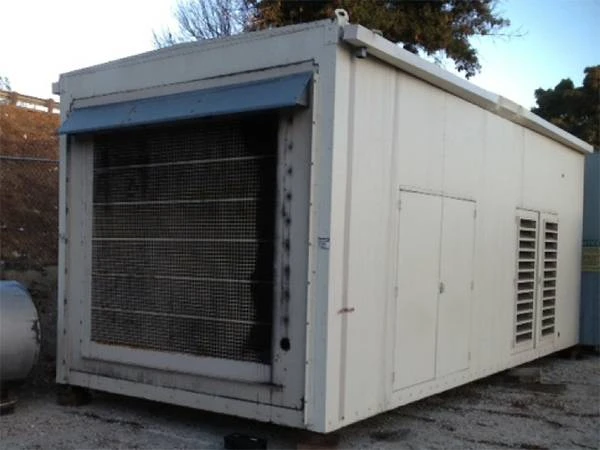
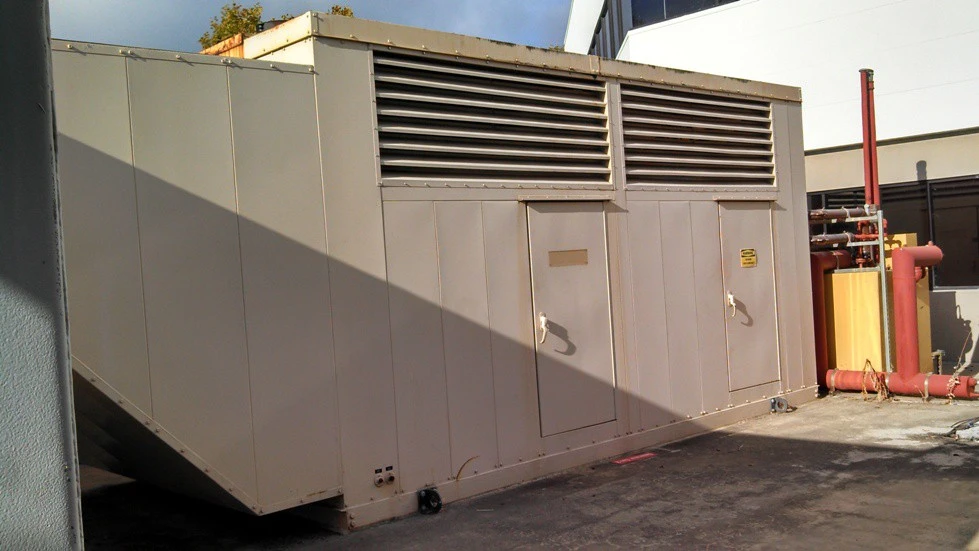
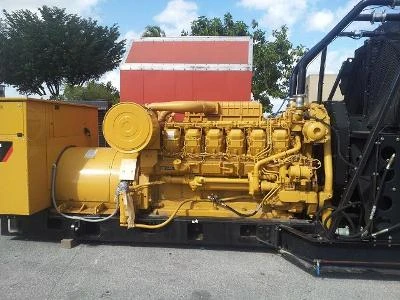
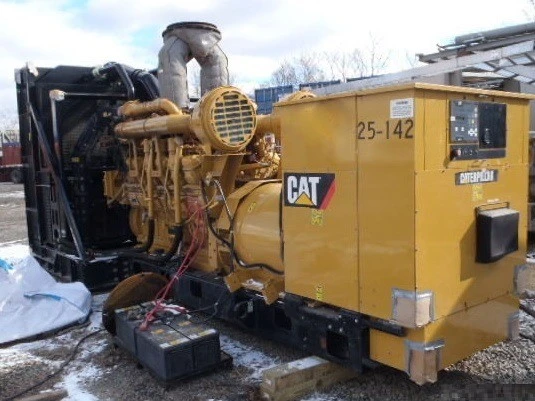
We stock 70 used 1500 kW generators at our Santa Clarita yard right now. That is real inventory — every unit has hours on the meter, oil sample reports on file, and pictures of the actual nameplate. The mix runs about a third Caterpillar 3516 (DITA, B, and B HD), a third Cummins QSK60 and QST30 derate, with the rest split between MTU 16V4000, Kohler 1500REOZE, and a handful of low-hour Doosan and Detroit Diesel units. Pricing on this class lands between $80,000 for a 1990s 3516 DITA at 30,000 hours and $350,000 for a 2018 16V4000 Tier 4 with under 500 hours.
1500 kW is one of the most-traded sizes in our market. Big enough to handle a 350-bed hospital essential electrical load or a small Tier I data center hall. Small enough that you do not need permitted oversized transport to move it. We sold three 1500 kW units in March alone — one CAT 3516B to a refinery in Bakersfield, one Cummins QSK60 to a Phoenix data center going from N to N+1, and one Kohler 1500REOZE to a UC system facility in San Diego. The buyers are nearly always one of these: a hospital that just failed a 100% load bank test on a 25-year-old 3512, a mid-tier data center adding redundancy without going to 2000 kW, or an oil & gas operator running prime power on a multi-well pad.
The big spec decision at 1500 kW is standby vs. prime. Standby-rated gives you the full 1500 kW for emergency duty cycles under 200 hours/year. Prime-rated derates roughly 10–12% (so a unit nameplated 1500 kW standby runs about 1325 kW prime continuous). At this size the duty cycle drives the engine choice. Hospitals and data centers buy standby. Oil field, mining, and continuous-process buyers want prime — that pushes them toward Cummins QSK60 or Waukesha gas where parts and rebuild economics favor 24/7 operation.
The other live debate at 1500 kW is Tier 2 vs. Tier 4 Final. Tier 2 still ships every day for emergency standby in EPA non-CARB districts and most international markets. In California AQMD jurisdictions and for any prime-power application, you are looking at Tier 4 Final — which means SCR, DEF tank, DPF, and roughly 35–50% more upfront cost on a comparable used unit. We can quote either side. Call (818) 484-8550 with your zip code and duty cycle and we will tell you what makes sense.
Popular 1500 kW Generators Generator Models
| Engine Platform | Typical kW Rating | Fuel / Tier | Used Price Range |
|---|
| CAT 3516 DITA (1990s) | 1500 kW standby | Diesel / Tier 0–1 | $80,000 – $135,000 |
| CAT 3516B HD | 1500–1825 kW standby | Diesel / Tier 2 | $135,000 – $215,000 |
| Cummins QSK60-G3/G4 | 1500–2000 kW standby | Diesel / Tier 2 or T4F | $145,000 – $295,000 |
| Cummins QST30 (derated) | 1500 kW standby | Diesel / Tier 2 | $95,000 – $165,000 |
| MTU 16V4000 G63 / G83 | 1500–1650 kW standby | Diesel / Tier 2 or T4F | $155,000 – $350,000 |
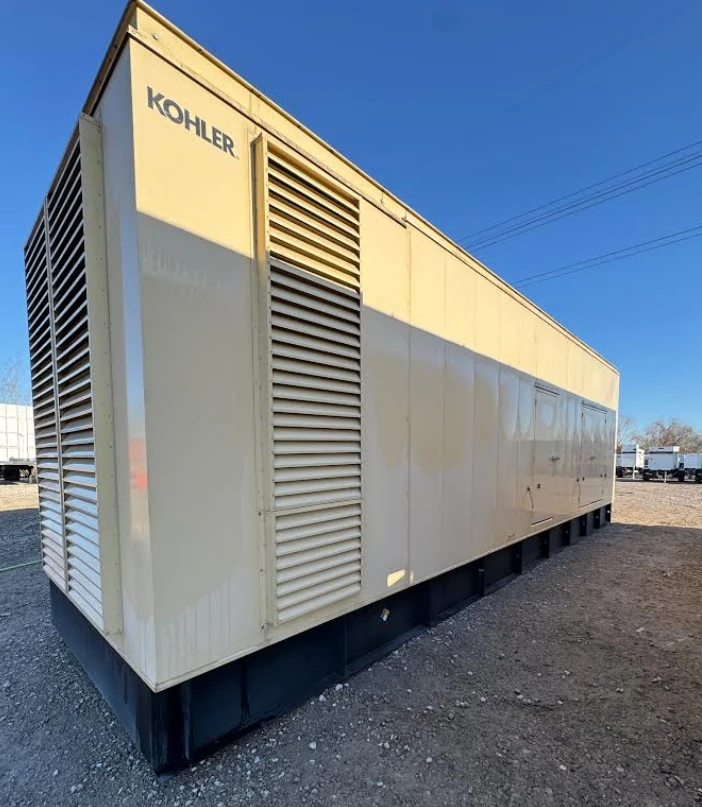
| Kohler 1500REOZE / KD1500 | 1500 kW standby | Diesel / Tier 2 or T4F | $120,000 – $240,000 |
About 1500 kW Generators
1500 kW is the sweet spot of the heavy industrial generator market. It is the smallest size that uses the same large-bore engine platforms (CAT 3516, Cummins QSK60, MTU 16V4000) deployed in 2000 kW and 2500 kW units — which means parts, service expertise, and rebuild economics are identical to bigger gensets but the package is roughly 30% cheaper to buy and meaningfully easier to transport and install.
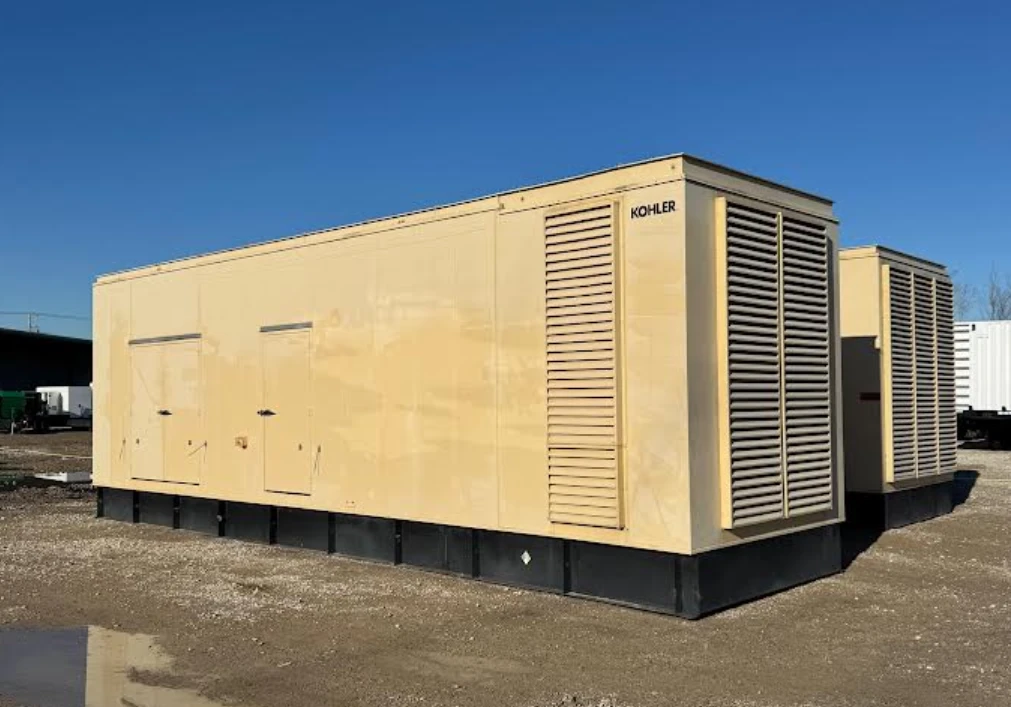
The platform decision at 1500 kW is well-defined. The CAT 3516 family spans roughly 1000 kW to 2500 kW depending on the variant: the older 3516 DITA naturally rates around 1250 kW standby and gets pushed to 1500 kW in some Caterpillar packages, the 3516B is the 1990s/2000s workhorse at 1500–1825 kW, and the 3516B HD ("heavy duty") was built specifically for prime power applications. Cummins QSK60 is a quad-turbo V16 designed from the start for the 1500–2000 kW band and is the most common new-spec engine for 1500 kW data center installs. The Cummins QST30 — a smaller V12 — gets derated from its native 1100–1250 kW rating up to 1500 kW only in specific package variants and is a value play if you find one with hours under 1000. MTU 16V4000 (G63 for Tier 2, G83 for Tier 4 Final) is the Mercedes-of-generators option — clean engineering, Series 4000 modular parts, and consistently the highest-priced unit at any given hour count. Kohler 1500REOZE uses a Mitsubishi-sourced large-bore engine in a Kohler-built genset package, common in healthcare and education facility specs.
Why 1500 kW specifically? Above this size you are into transport permitting territory — anything past about 1650 kW typically requires oversize-load permits and route surveys for over-the-road shipping. Below this size, large facilities run out of headroom. A 350-bed hospital essential electrical system load typically lands at 800–1200 kW with a 25% growth margin on top, putting them squarely at 1500 kW for the next-size-up replacement. A small data center hall (about 750–900 kW IT load with cooling and overhead) is a clean fit for 1500 kW N+1 or 2N redundancy. A 4-well oil pad pulling roughly 1100 kW continuous wants 1500 kW for prime headroom. None of those buyers want to step up to 2000 kW unless the load study forces it — the cost delta is real.
Tier 4 Final at 1500 kW means SCR (selective catalytic reduction), DEF tanks, and DPF aftertreatment. The aftertreatment package adds roughly $30K–$60K to a comparable used unit price and adds operational complexity (DEF refilling, regen cycles). For California CARB jurisdictions, prime-rated applications, and any new-build over 50 hours/year of operation, Tier 4 Final is the only path. For pure emergency standby in non-CARB EPA regions under 100 hours/year, Tier 2 is still the most common spec we sell — the cost delta does not justify Tier 4 unless local AQMD rules require it.
Why Choose 1500 kW Generators Generators?
Standard Transport Footprint
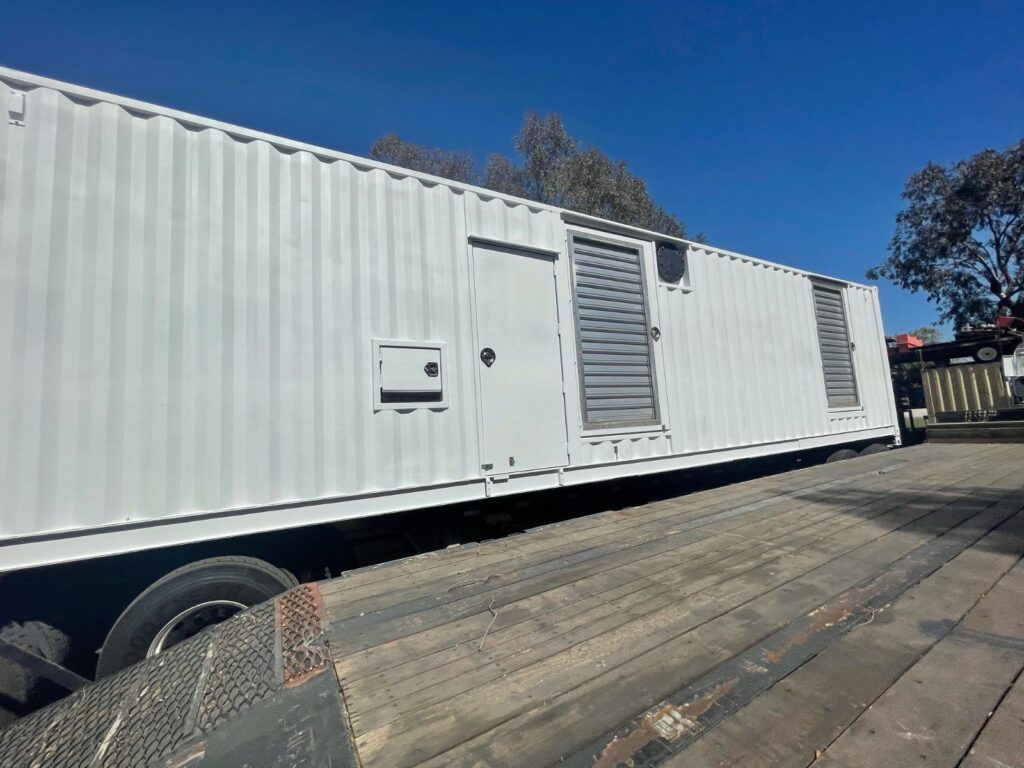
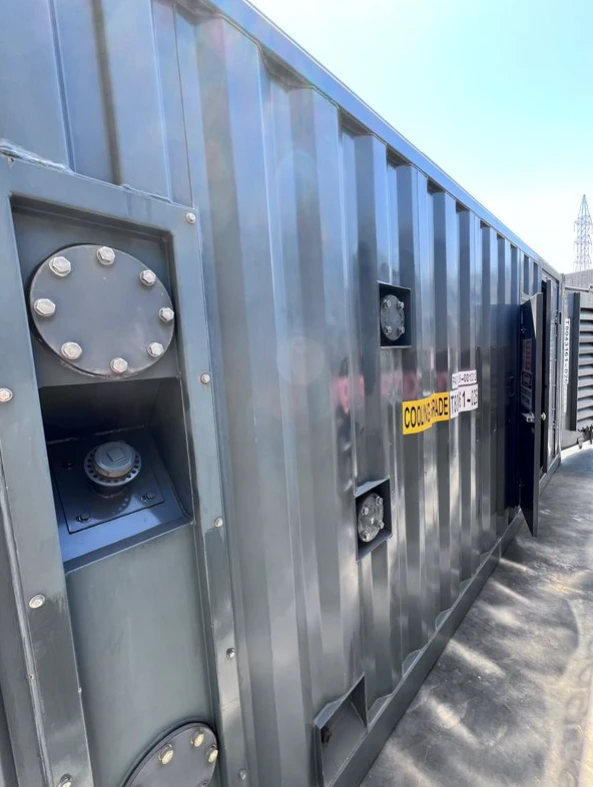
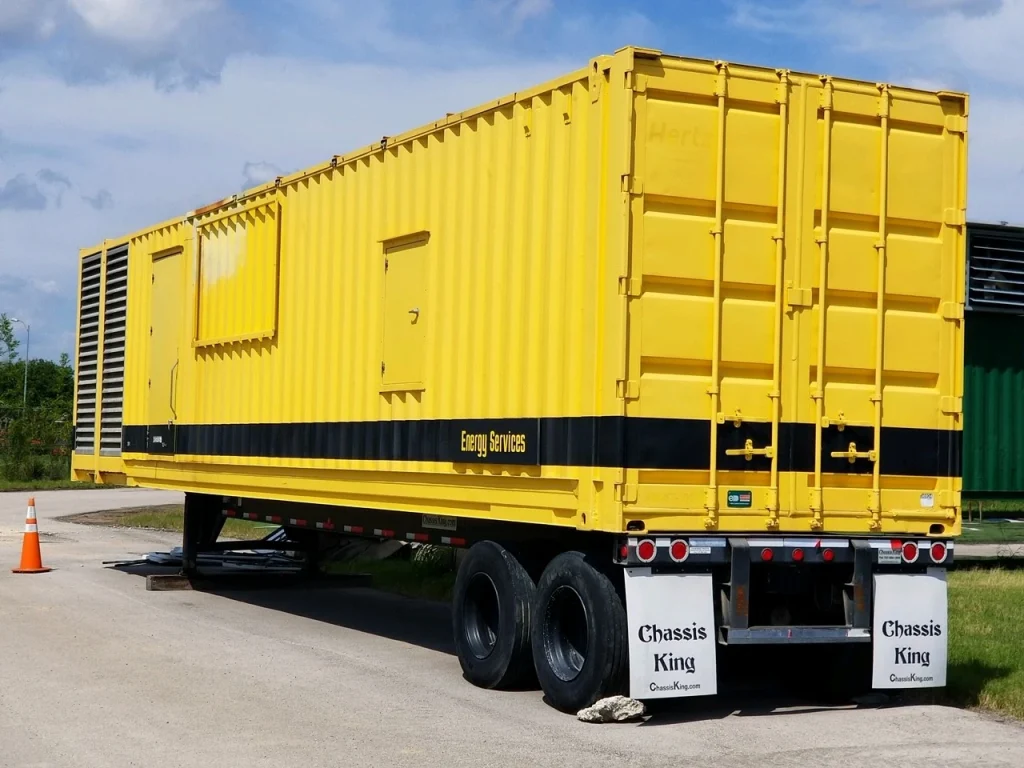
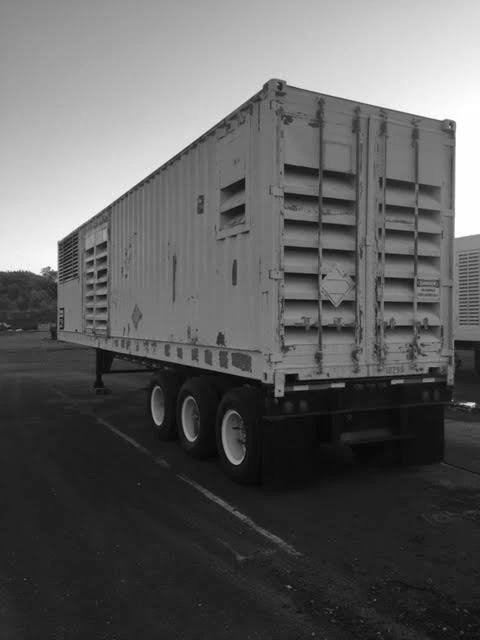
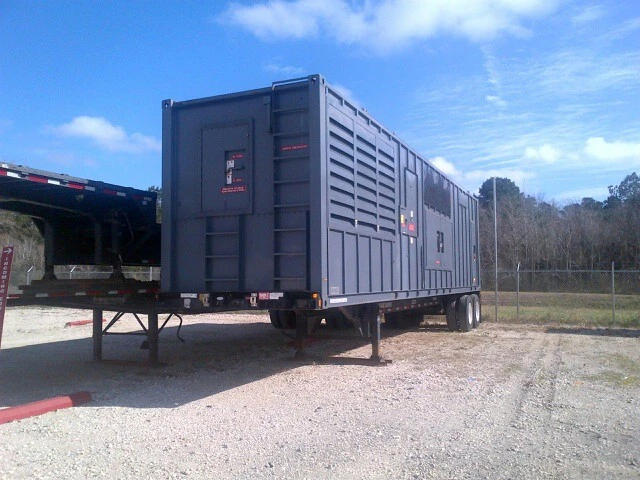
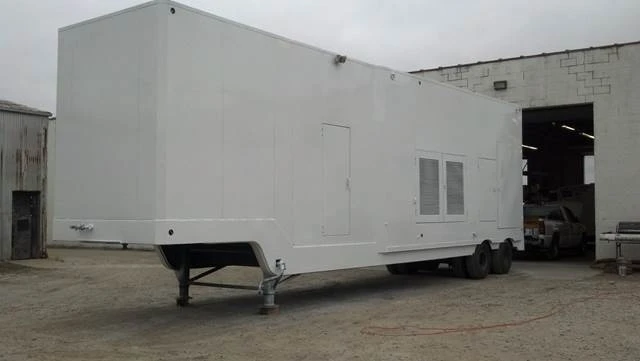
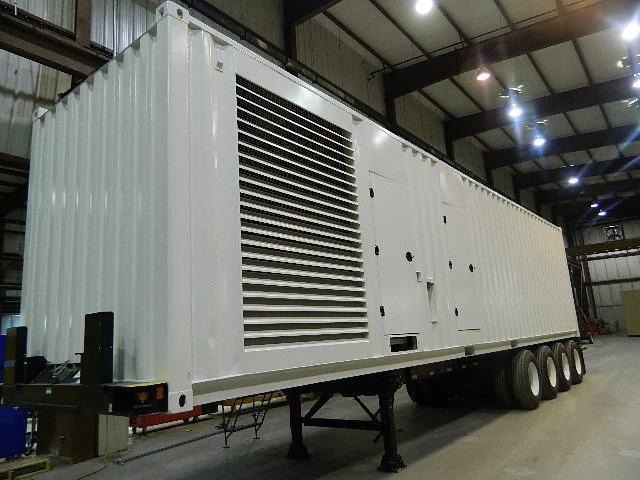
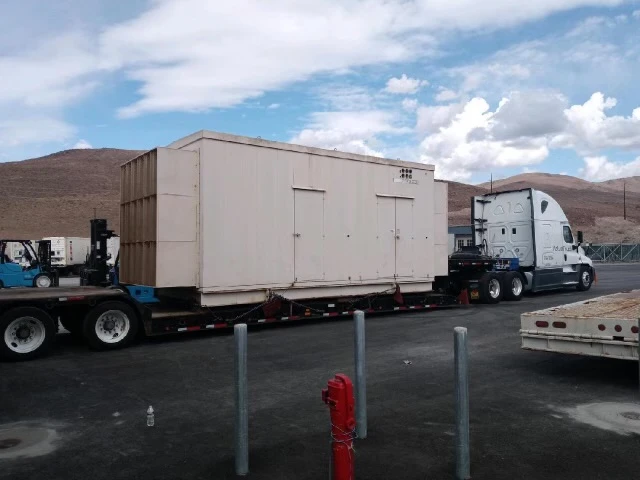
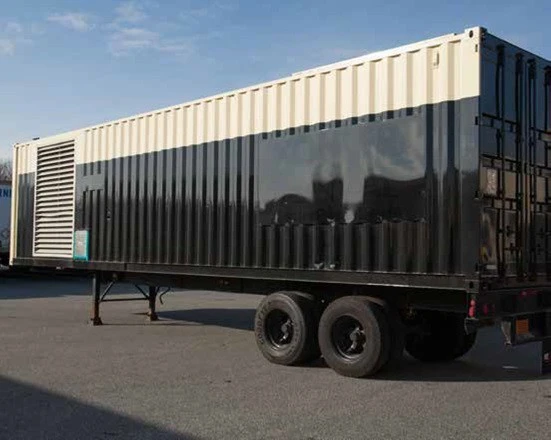
Most 1500 kW gensets fit on a 53-foot drop-deck trailer without oversize permits — important for nationwide delivery economics. Past 1650 kW you typically need permits and route surveys.
Same Engine Platforms as 2000 kW
CAT 3516, Cummins QSK60, and MTU 16V4000 all power both 1500 kW and 2000 kW gensets. Parts inventory, service expertise, and rebuild costs are identical — but the smaller package costs 25–35% less.
Hospital and Data Center Standard
1500 kW is the most common spec for 250–400 bed hospital essential electrical replacement and 750–900 kW IT-load data center halls running N+1. Demand is consistent year-round.
Standby Or Prime — Both Available
Standby-rated 1500 kW units run emergency duty under 200 hr/year. Prime-rated units derate roughly 12% (to ~1325 kW continuous) and are designed for 24/7 operation. We stock both — the duty cycle drives the engine choice.
Tier 2 Through Tier 4 Final
We carry Tier 2 inventory for non-CARB EPA standby (the value buy) and Tier 4 Final units with full SCR/DEF/DPF aftertreatment for California AQMD and prime-power applications.
Real Hour Counts and Oil Samples
Every unit we list shows actual hour-meter readings and recent oil sample lab results when available. We do not list ranges — you get the specific number on the unit you are buying.
Frequently Asked Questions
How much does a 1500 kW generator cost?+
Used 1500 kW gensets in our yard run $80,000 to $350,000. Older Tier 0–1 CAT 3516 DITA at 25,000+ hours starts around $80K. A clean Tier 2 CAT 3516B or Cummins QSK60 with under 1000 hours runs $145K–$215K. New-condition Tier 4 Final units (under 500 hours, 2018+) hit $295K–$350K. New from the factory is $400K–$600K plus 16–24 weeks lead time. Call (818) 484-8550 with your duty cycle and we will quote actual units in stock.
What is the difference between a 1500 kW standby and prime rating?+
Standby rating gives you the full 1500 kW for emergency duty under 200 hours/year — that is what hospitals and most data centers buy. Prime rating means continuous duty (24/7 operation) and derates the same engine roughly 10–12%, so a 1500 kW standby unit is rated about 1325 kW prime. Prime-rated buyers (oil & gas, mining, microgrid) need the engine engineered for continuous load. Always confirm the rating on the nameplate before assuming the kW number you see.
Which engine should I buy at 1500 kW — CAT, Cummins, or MTU?+
CAT 3516B HD is the data center and hospital default — best parts coverage in North America, 25,000–30,000 hour service life, good resale. Cummins QSK60 is functionally equivalent and slightly more compact (matters in tight mechanical yards). MTU 16V4000 is the premium spec — cleanest engineering and lowest vibration, but 15–25% more expensive at the same hour count. Kohler 1500REOZE is common in healthcare facility specs. The honest answer: at 1500 kW any of these four will run reliably for decades with proper maintenance. Pick on parts network in your region and price.
Will a 1500 kW generator fit a 300-bed hospital?+
Almost always yes for the essential electrical system, with growth margin. A 300-bed acute-care hospital essential load typically runs 700–1100 kW depending on imaging equipment, HVAC, and IT infrastructure. Sizing to 1500 kW gives you roughly 25–50% growth margin, which covers a decade of facility expansion. We always recommend a current load study from a licensed electrical engineer before specifying — hospital loads have grown significantly with imaging and patient monitoring buildouts.
Why not just buy a 2000 kW generator instead?+
Cost. A new 2000 kW genset runs $500K–$700K versus $400K–$550K for 1500 kW; used 2000 kW lands $30K–$80K higher than equivalent 1500 kW. Transport gets harder past 1650 kW (permitted oversize loads). Footprint grows. And running an oversized standby genset at low load fraction (under 30%) creates wet-stacking issues over time. Step up to 2000 kW only when a load study justifies it — 1500 kW handles most large hospital, mid-tier data center, and large industrial applications cleanly.
Is a Tier 4 Final 1500 kW required in California?+
For prime power and any new install over 50 hours/year, yes — California AQMDs (SCAQMD, BAAQMD, San Joaquin Valley) require Tier 4 Final at this size. For pure emergency standby under 50 hours/year, you may qualify for an emergency engine permit with Tier 2, but the rules vary by district and have been tightening. We sell Tier 2 1500 kW units routinely outside California; in-state we mostly quote Tier 4 Final with SCR and DEF unless the install is in a permitted standby-only enclosure.
What does Tier 4 Final aftertreatment cost on a used 1500 kW?+
A Tier 4 Final 1500 kW unit costs roughly $30,000–$60,000 more than the equivalent Tier 2 at the same hour count, depending on engine family and how complete the aftertreatment package is (some units have SCR-only, others have full SCR+DPF). Operational cost of DEF (diesel exhaust fluid) runs about $0.06–$0.10 per kWh produced — meaningful if you run prime, negligible for emergency standby.
Do you ship 1500 kW generators to the East Coast and internationally?+
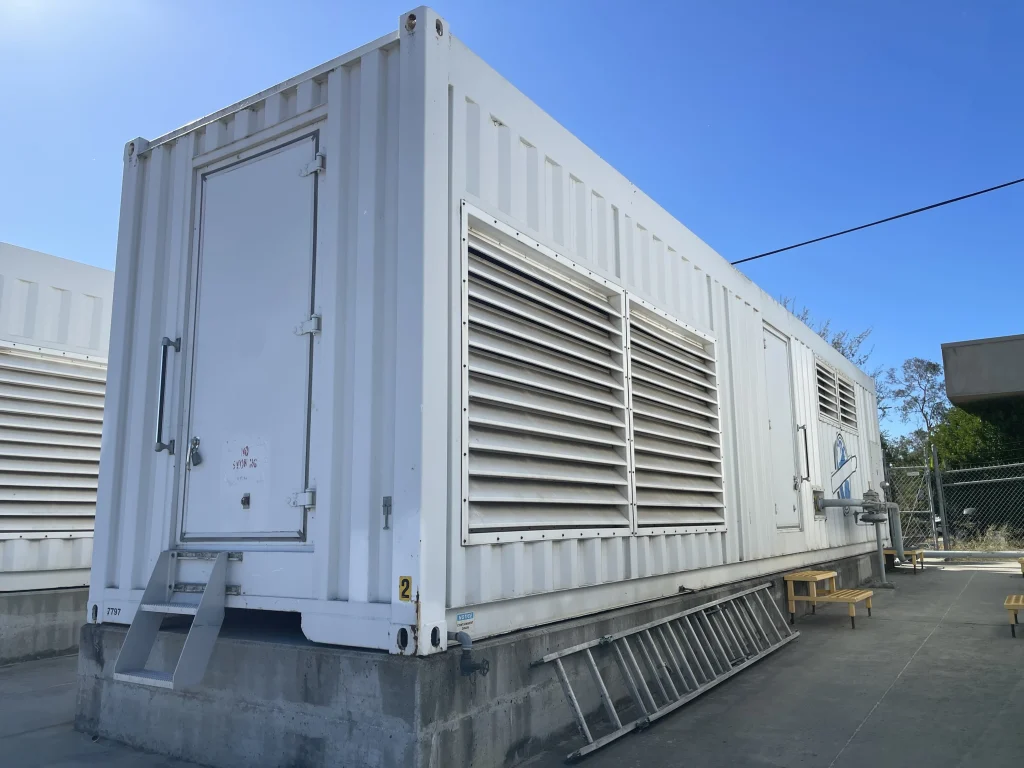
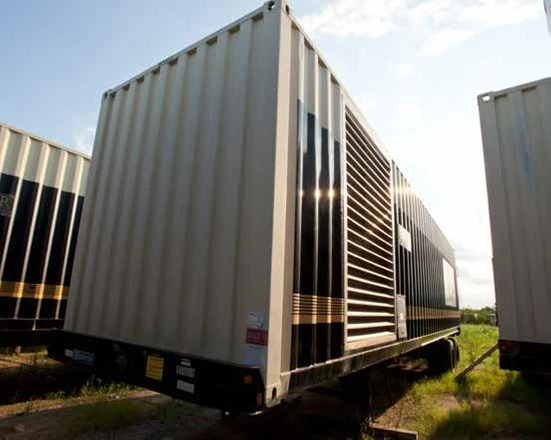
Yes. We ship 1500 kW units from Santa Clarita, California to all 50 states. Most go on a 53-foot drop-deck trailer without oversize permits — transport runs $4,500–$8,500 to East Coast destinations. We also export internationally through the Long Beach and LA ports — a 1500 kW genset fits in a 40-foot high-cube container for most platforms. Call (818) 484-8550 for actual freight quotes.
How many hours can I expect on a used 1500 kW generator before overhaul?+
Standby applications: CAT 3516B and Cummins QSK60 run 25,000–35,000 hours before major overhaul with documented PM. MTU 16V4000 typically reaches 30,000 hours. Prime applications run shorter — 18,000–25,000 hours for the same engines because of the continuous duty cycle. The honest range varies with maintenance history. Units with full oil-sample records (CHEVRON or Polaris labs) almost always last to the upper end of those ranges.
Do you take trade-ins on a 1500 kW replacement?+
Yes. We buy 1500 kW units regularly for resale — a 25-year-old CAT 3516 with documented hospital maintenance history is worth $40,000–$75,000 to us depending on hours and condition. That is real market value, not scrap. If you are replacing an aging 1500 kW genset, get a buy-side quote from us before signing a demolition contract — most demolition contractors quote at scrap value ($4K–$6K) when the unit is worth 10–15x that. Call (818) 484-8550 to discuss.
Looking for a 1500 kW Generator?
70 units in stock right now — CAT 3516, Cummins QSK60, MTU 16V4000, Kohler 1500REOZE. Tier 2 and Tier 4 Final. Standby and prime ratings. Tell us your duty cycle, location, and timeline — we will pull the three best matches from inventory and send actual unit photos, hour readings, and out-the-door pricing within 2 hours during business hours.
Request 1500 kW Availability