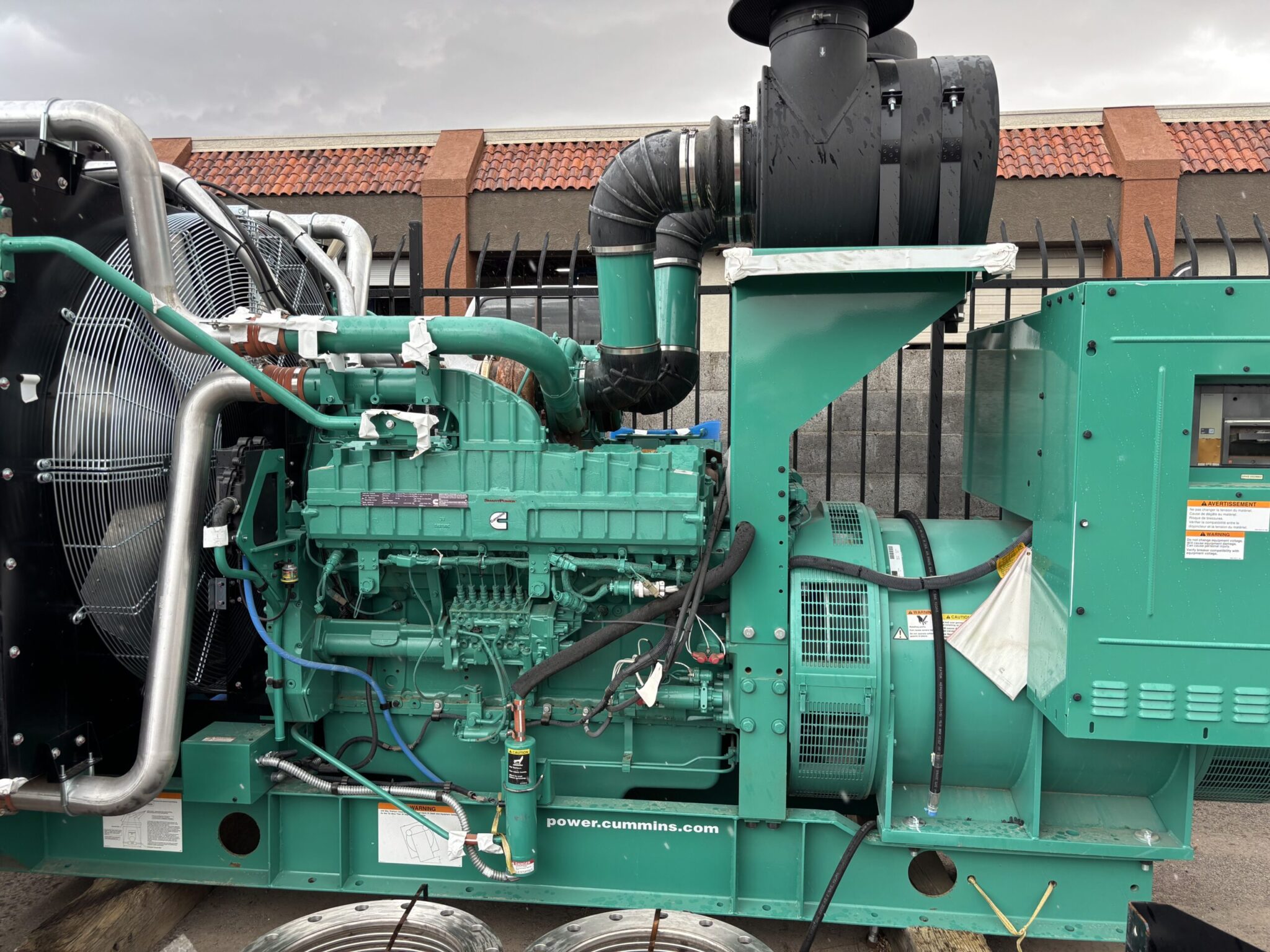
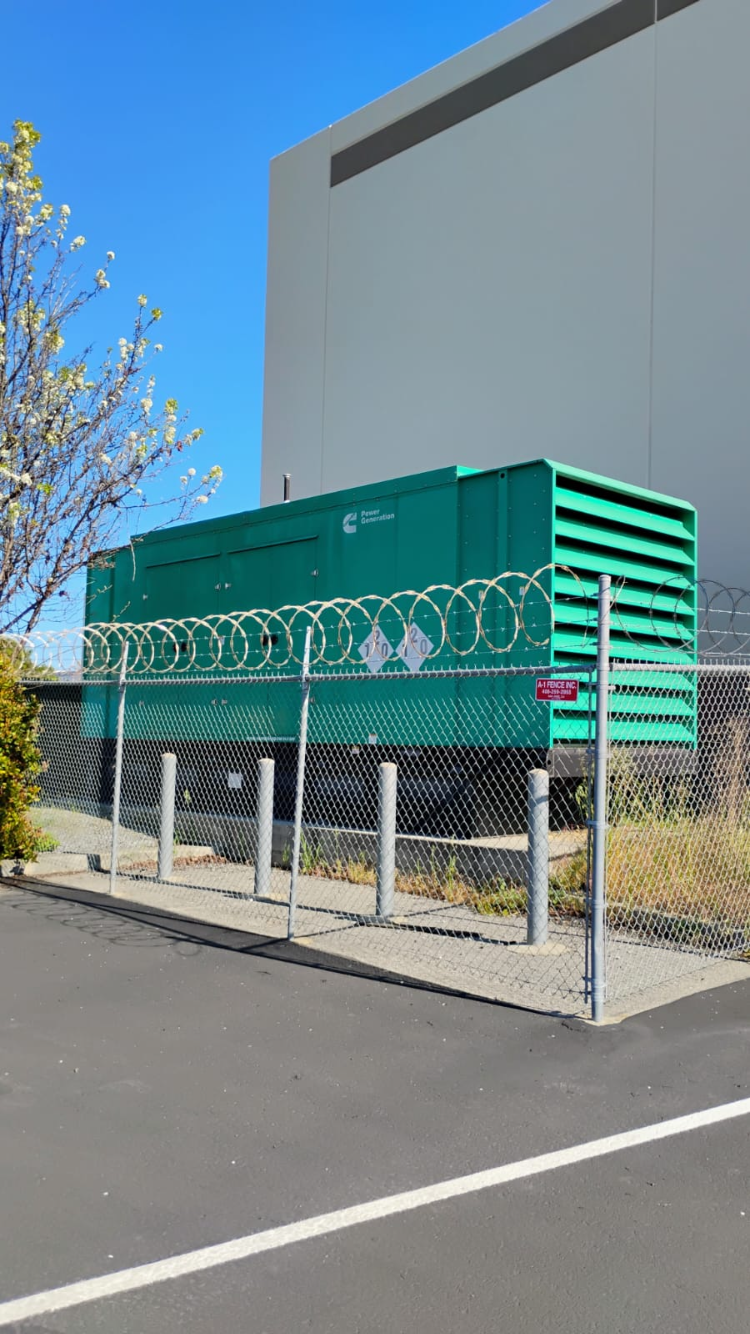
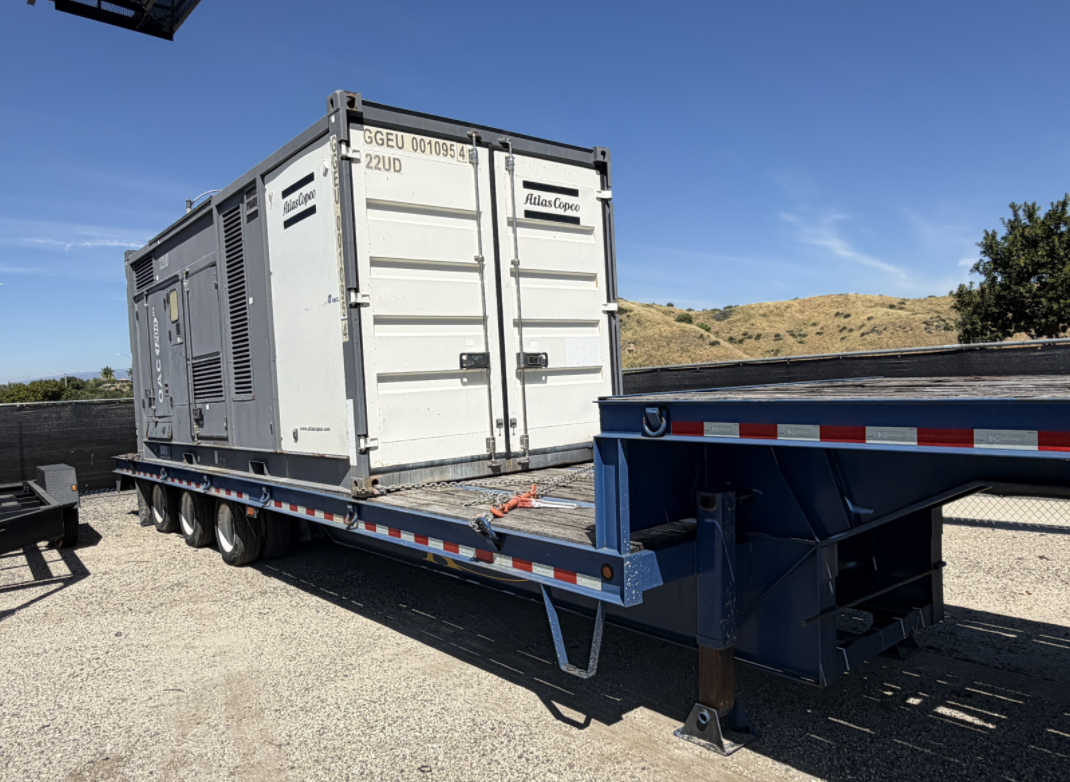
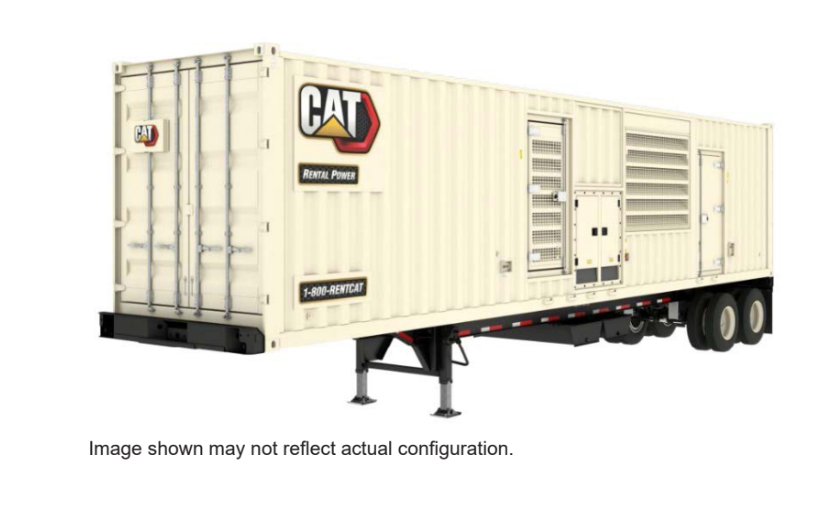
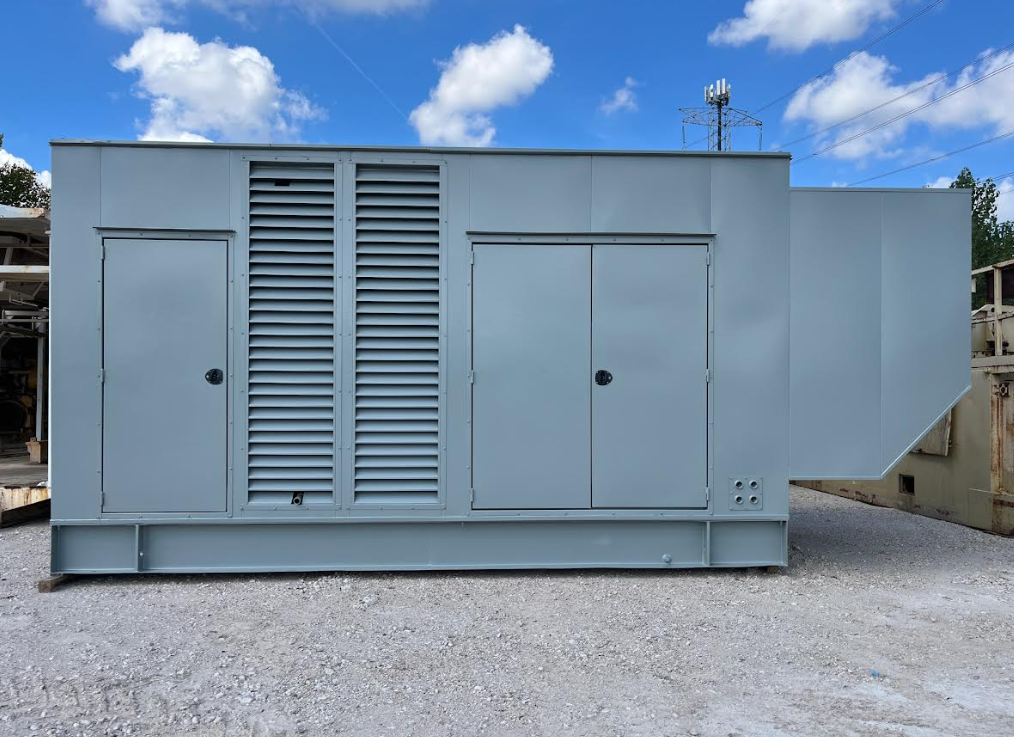
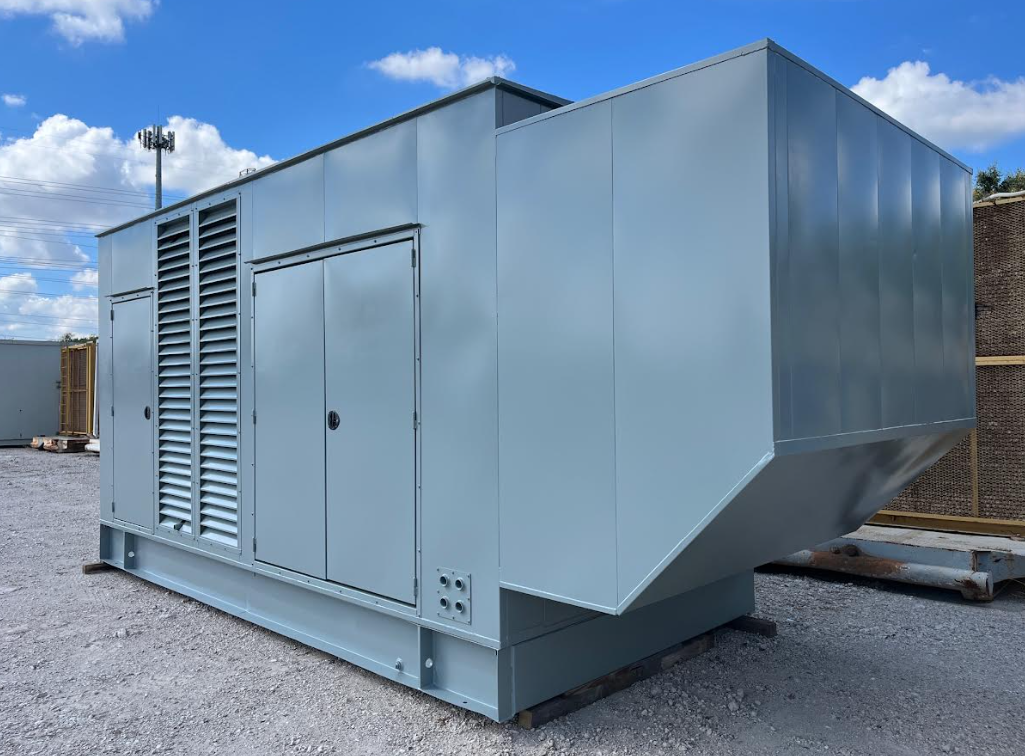
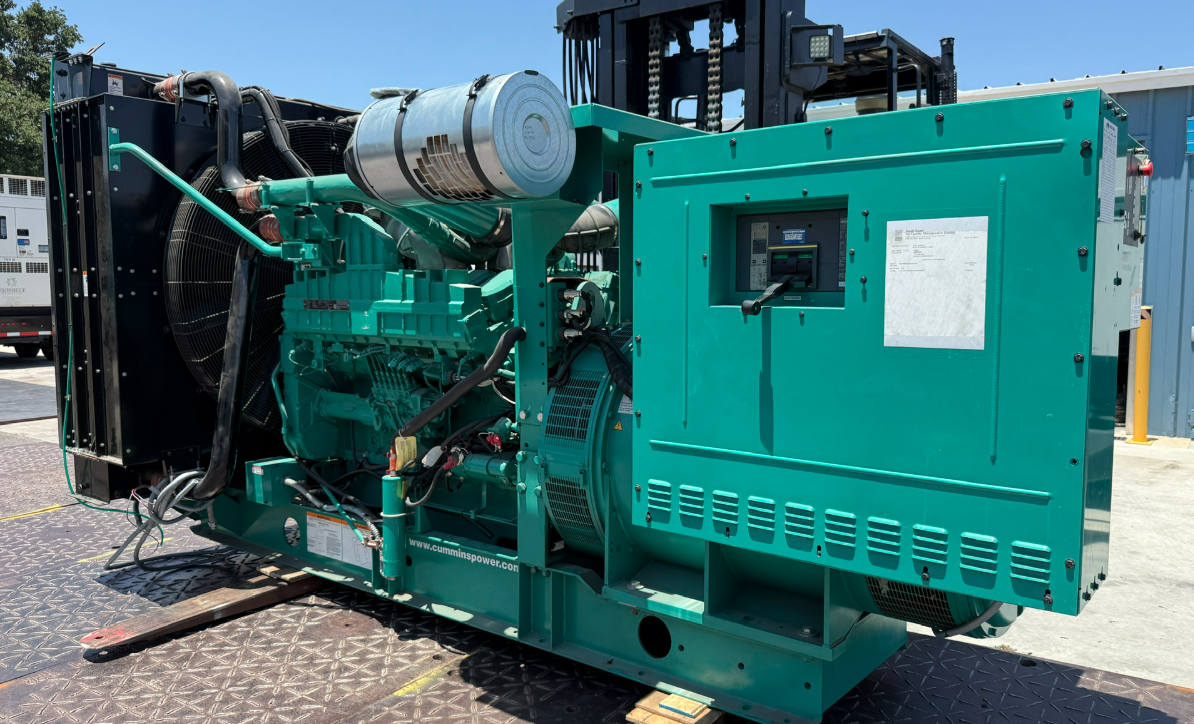
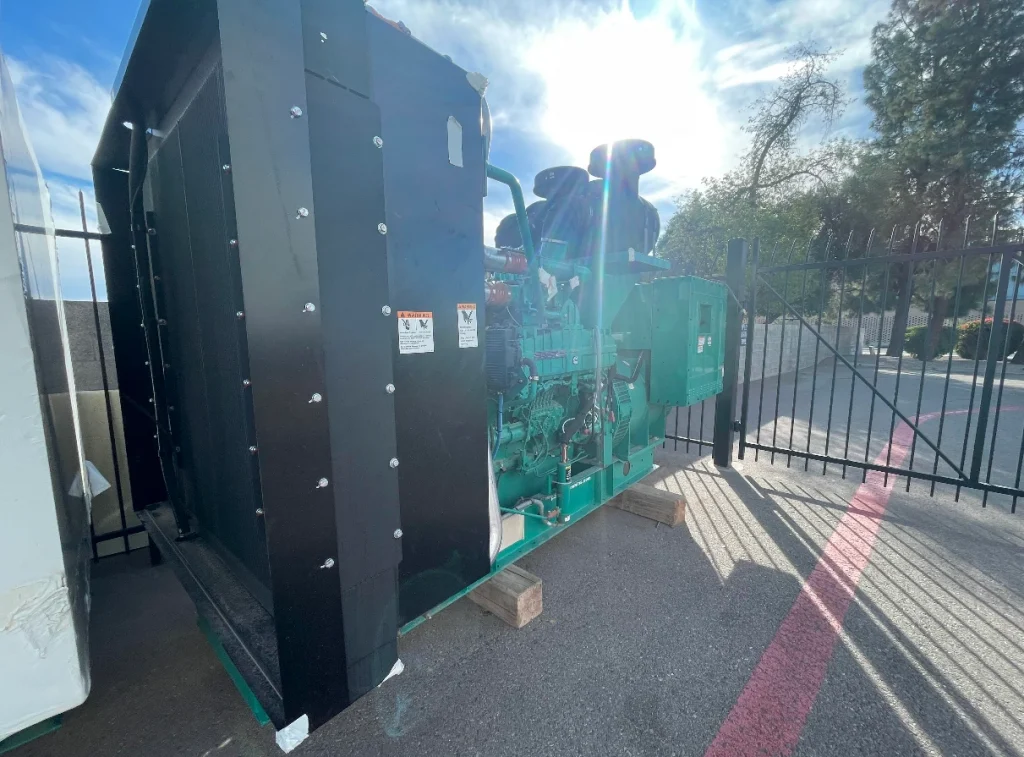
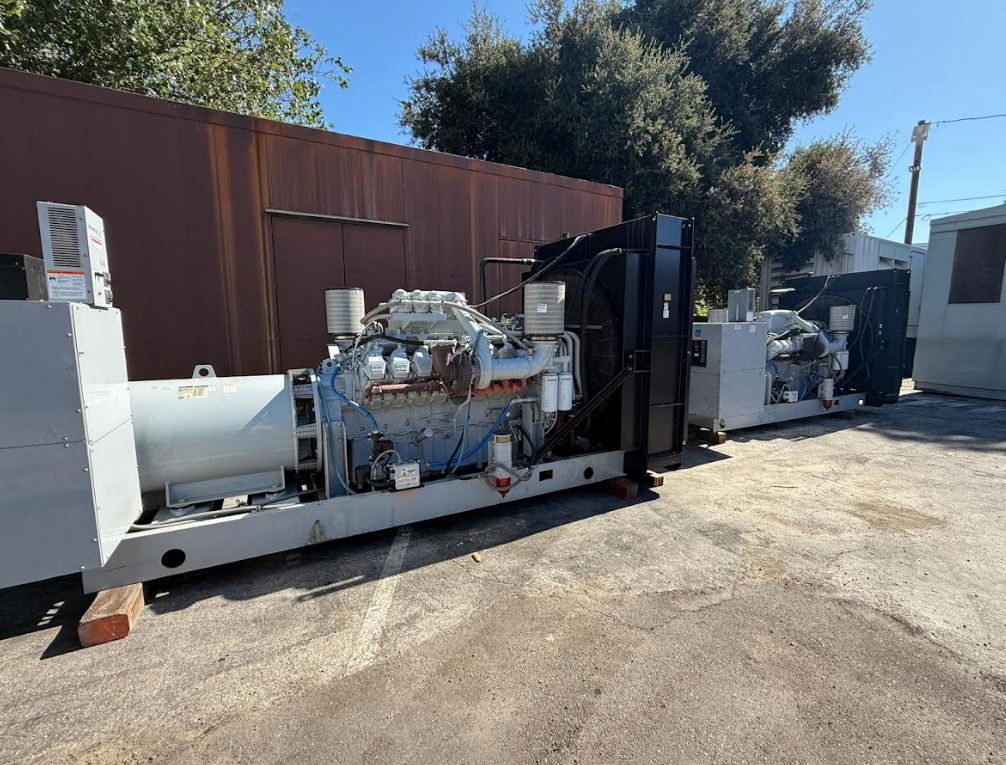
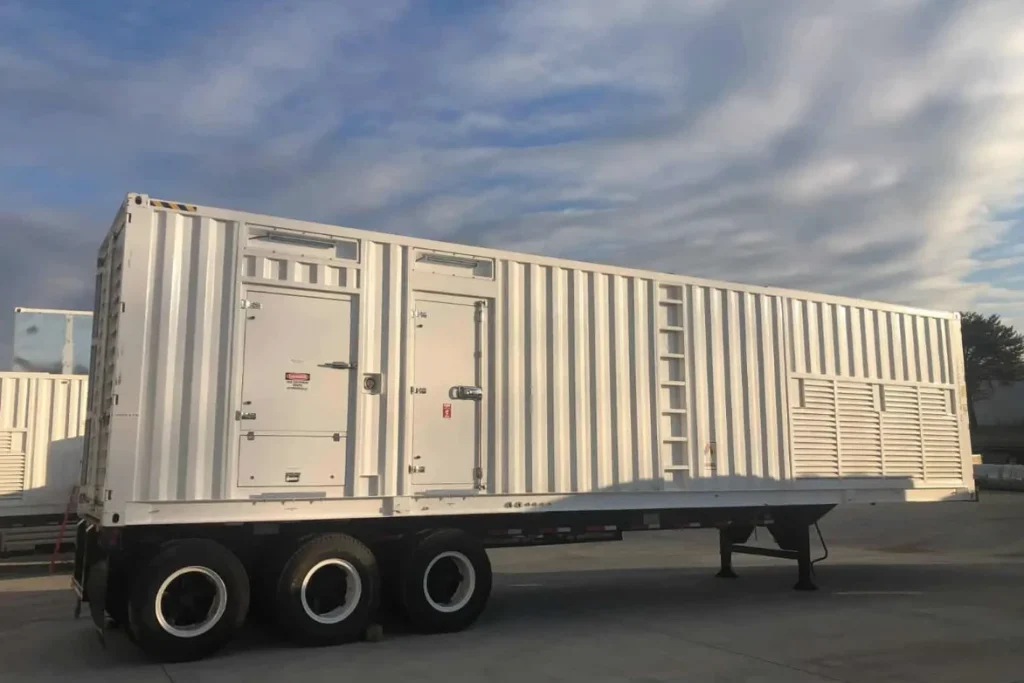
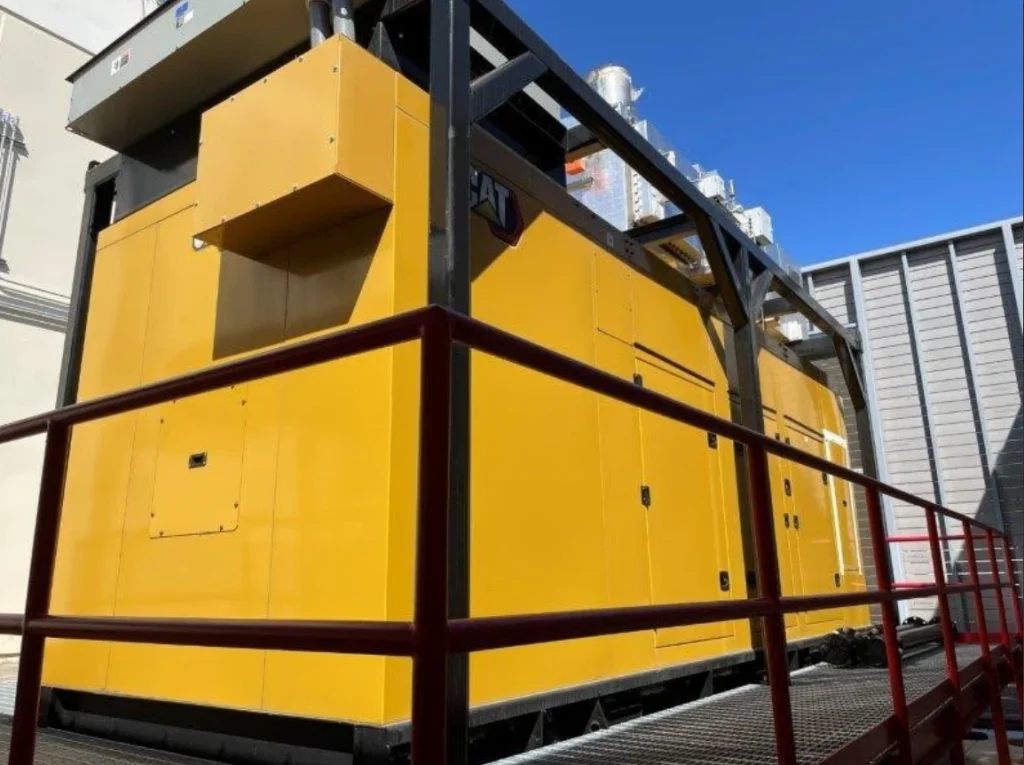
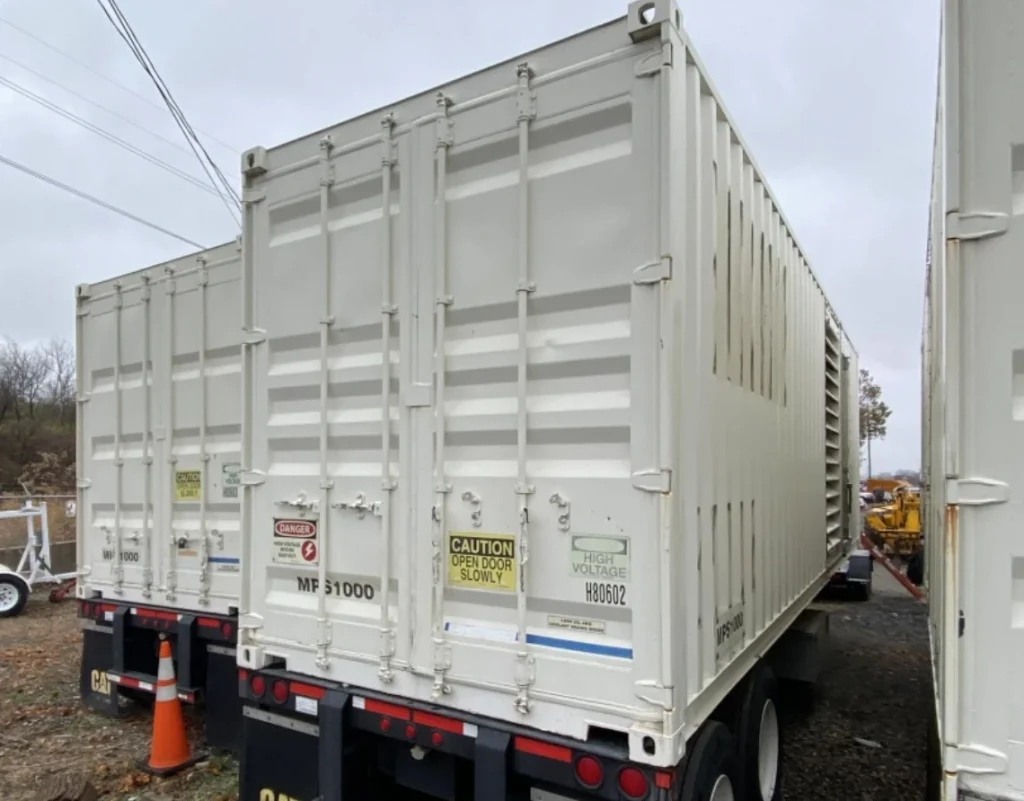
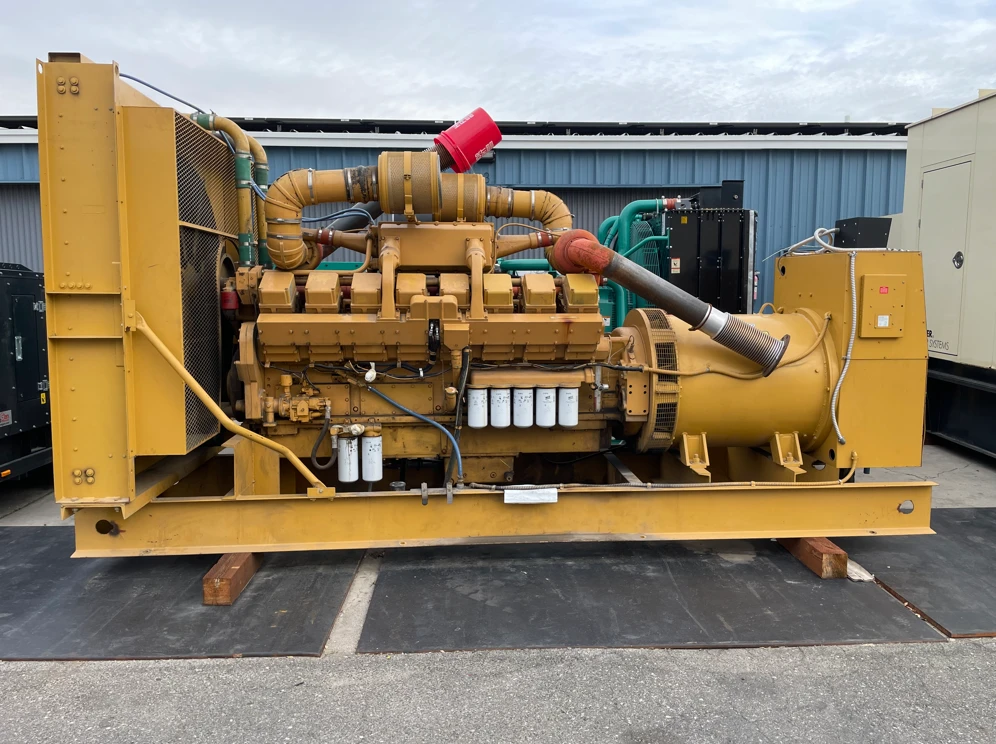
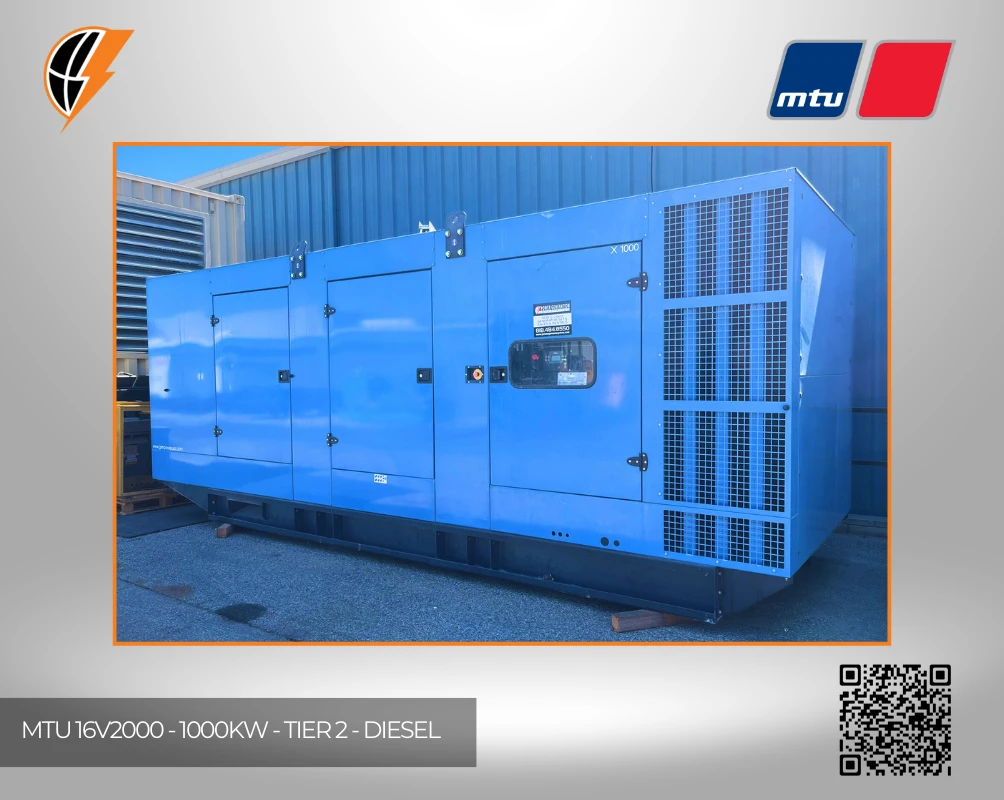
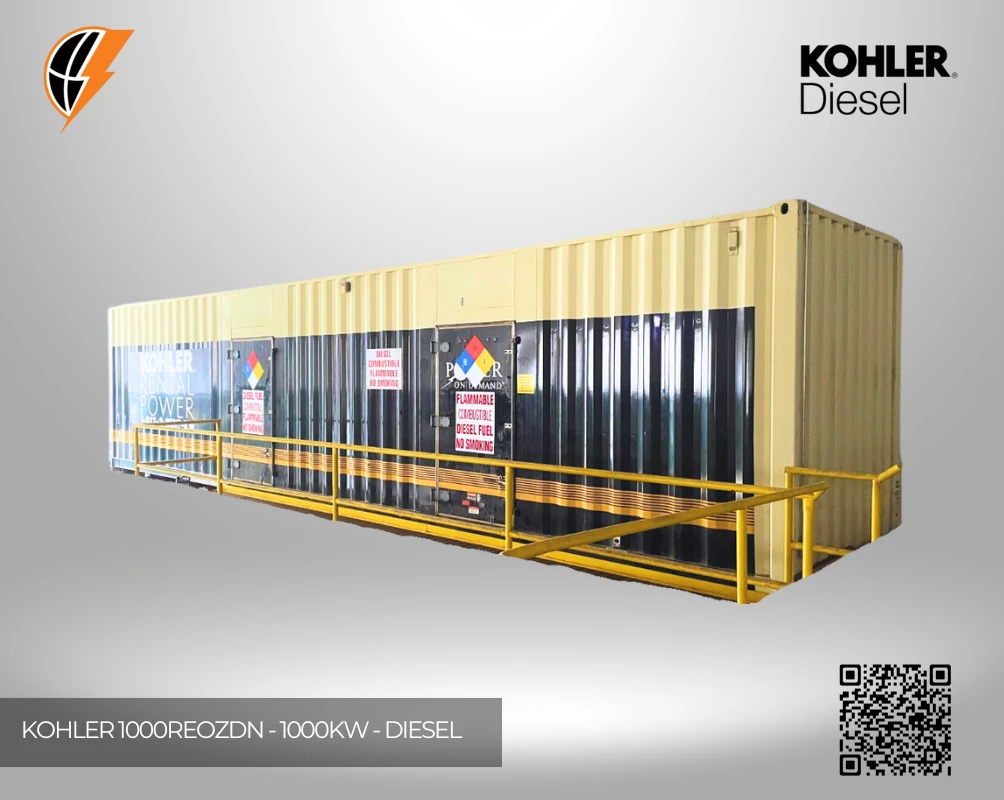
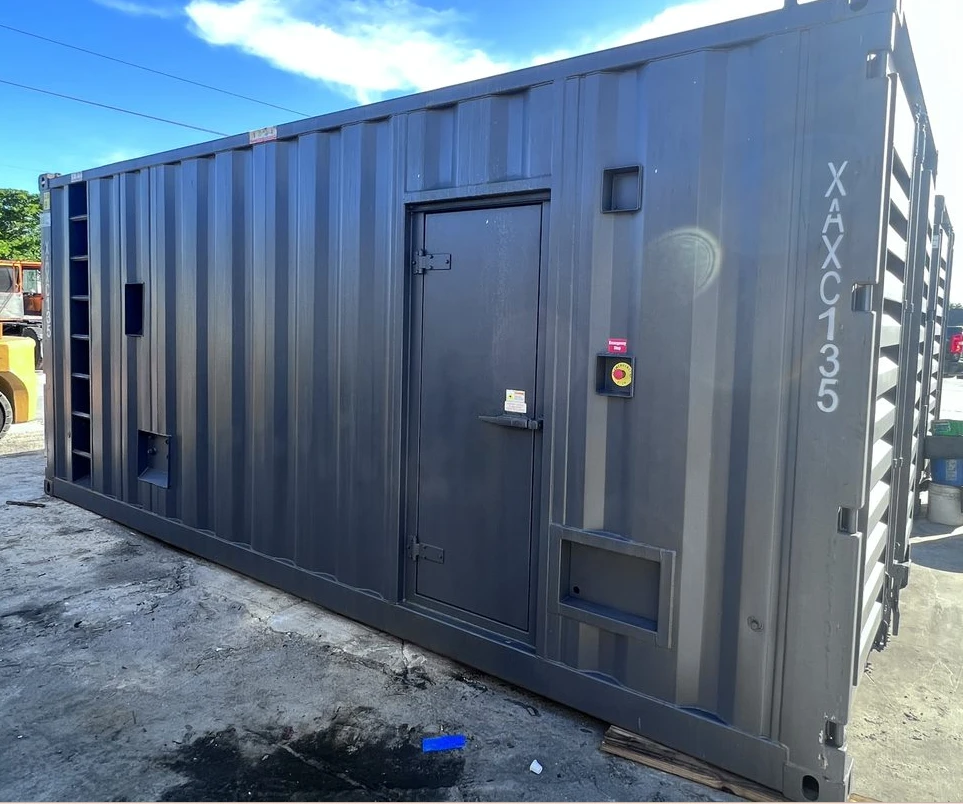
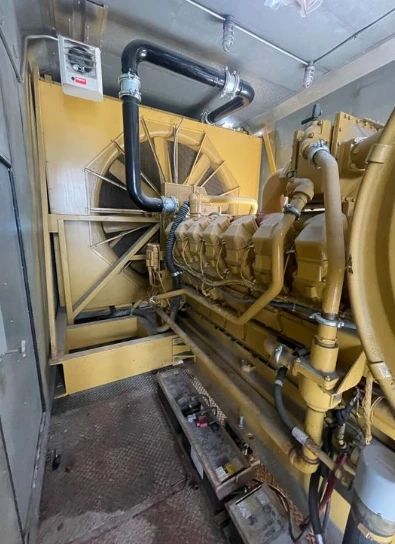
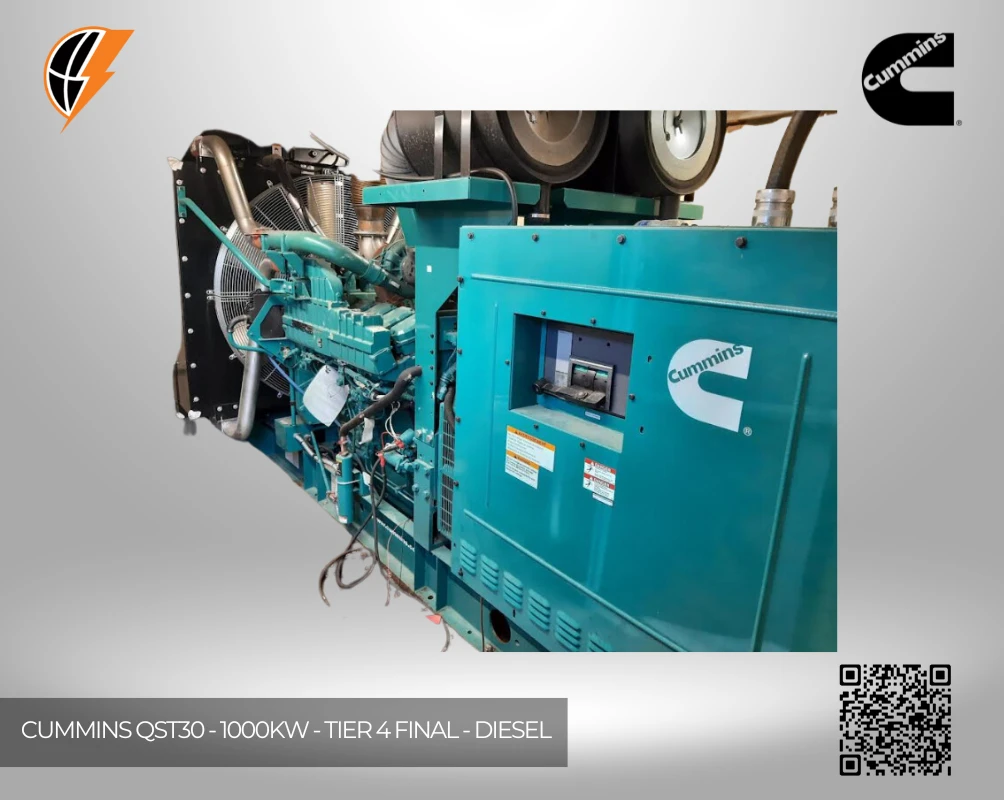
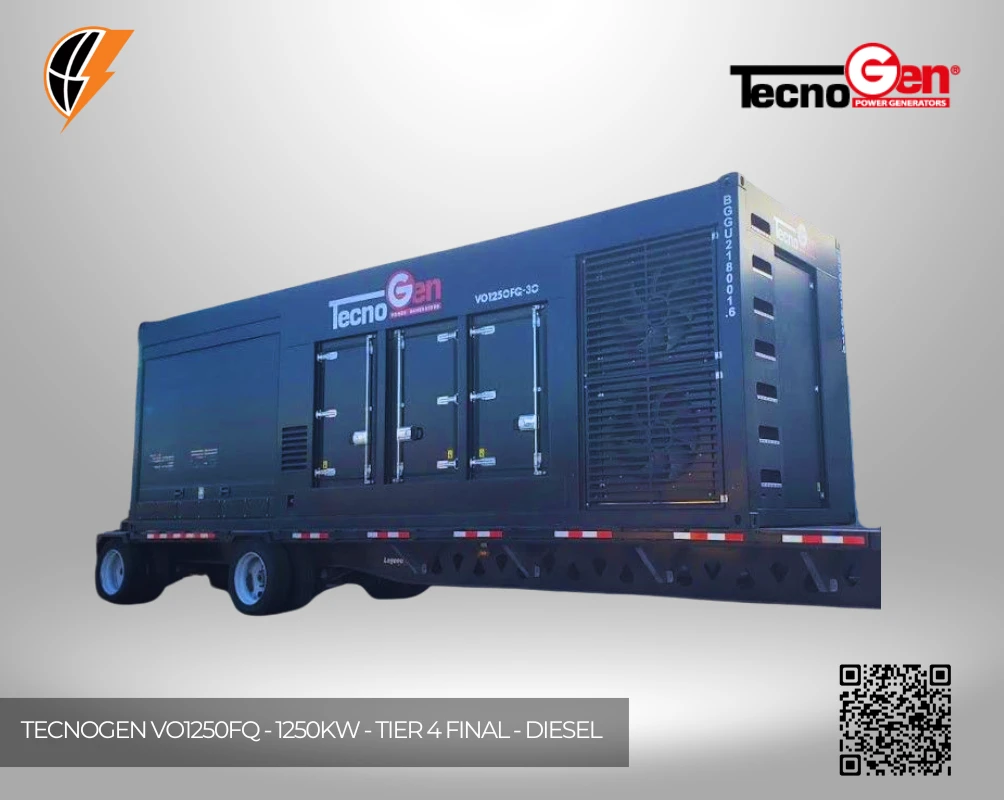
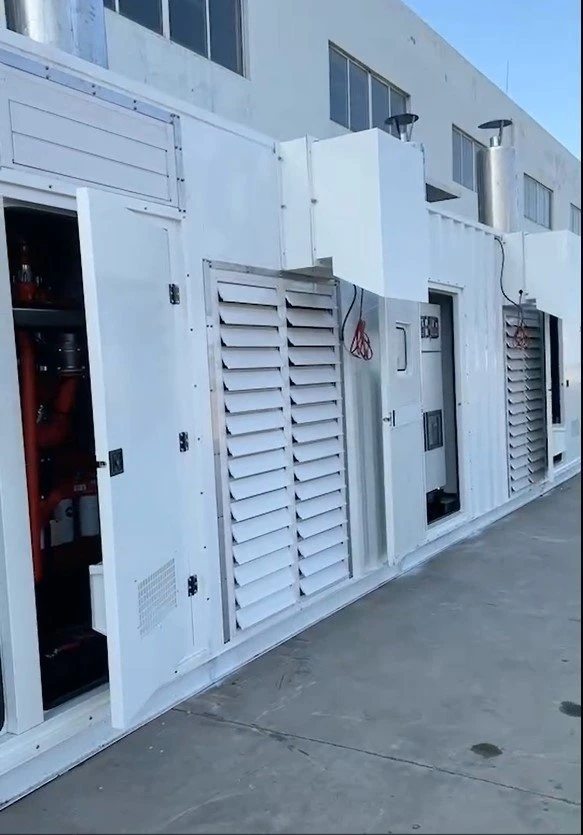
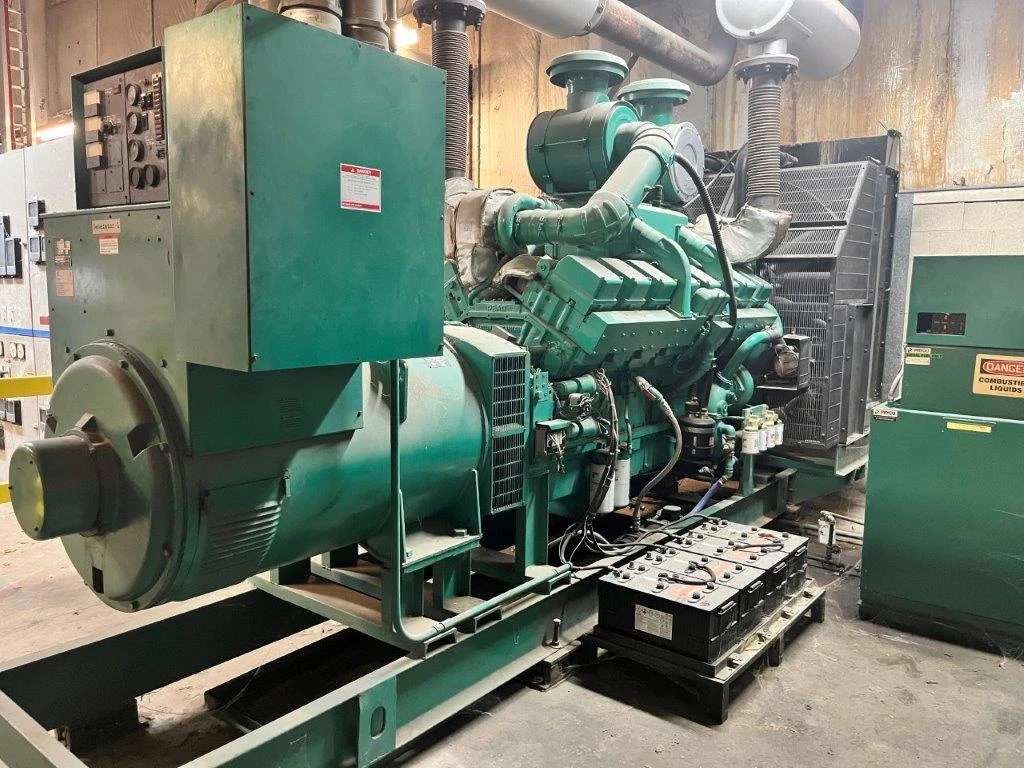
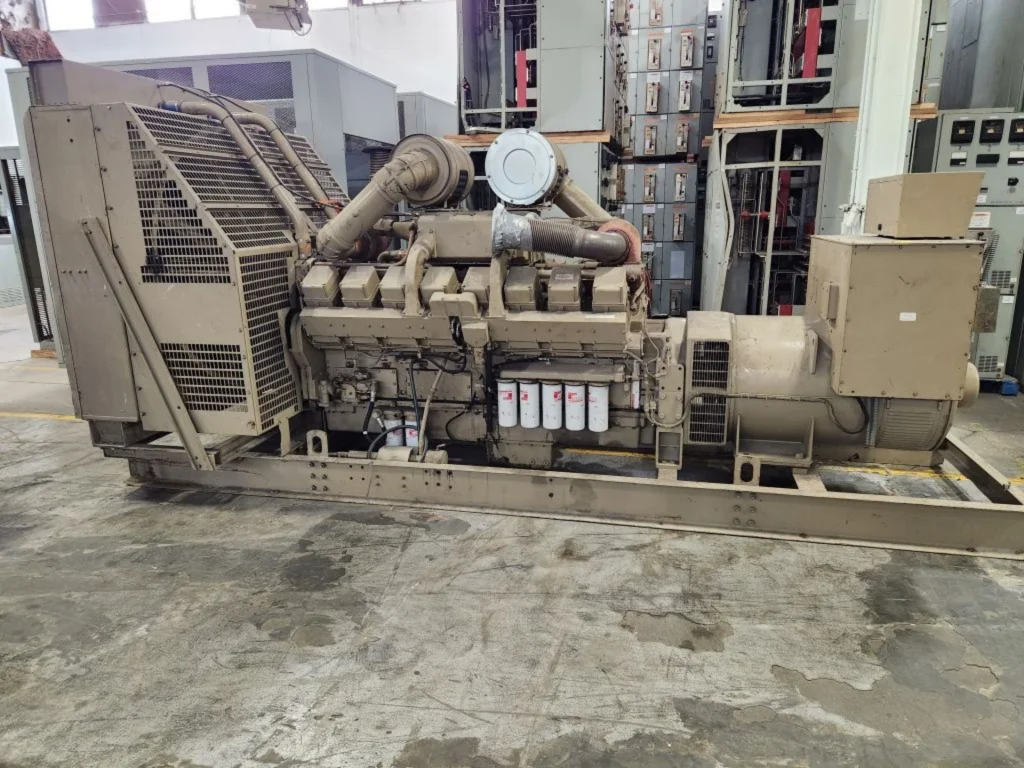
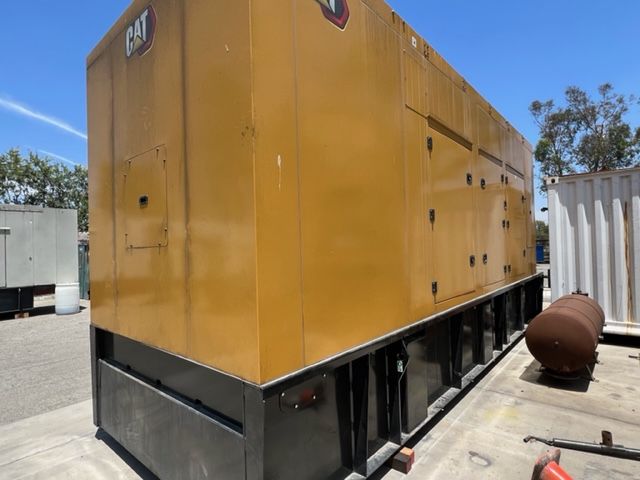
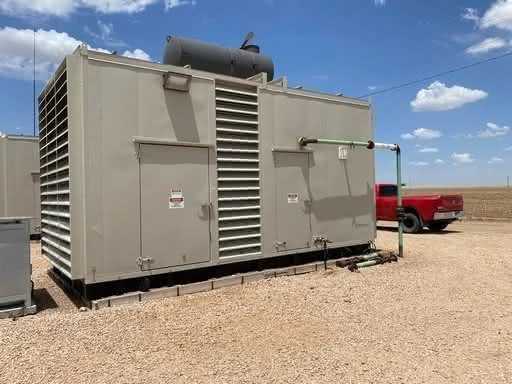
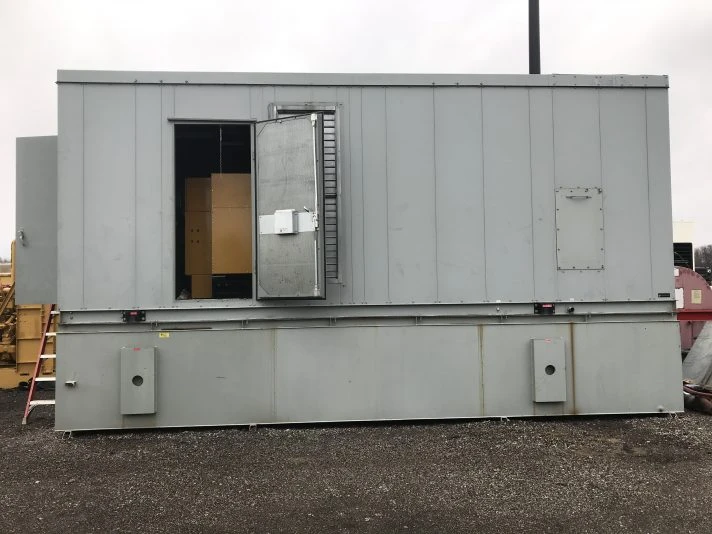
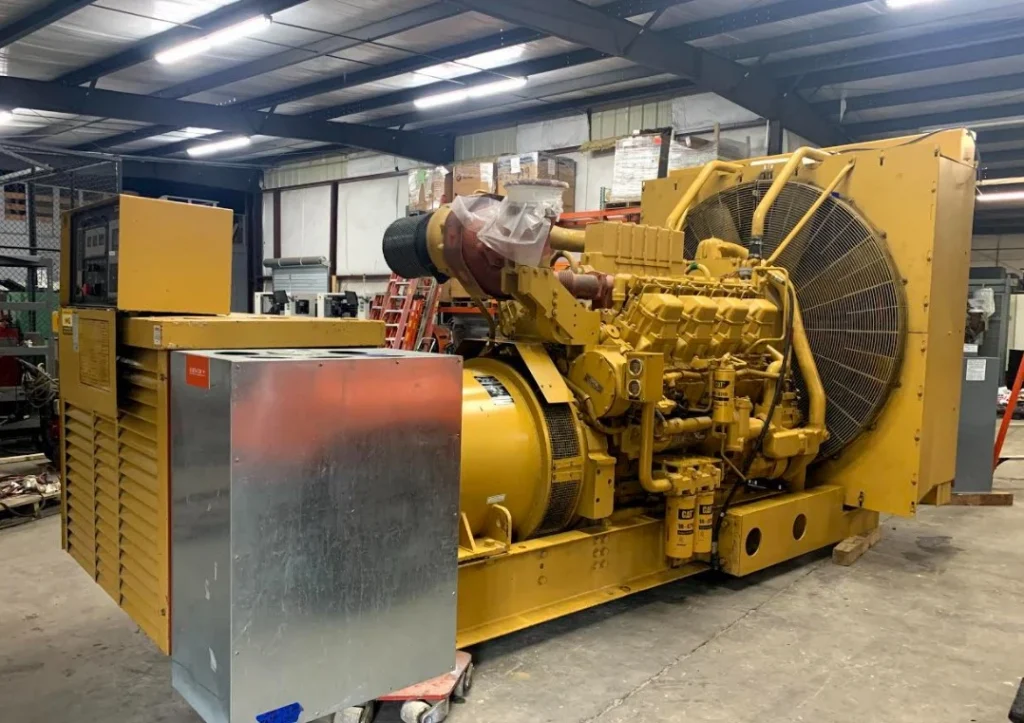
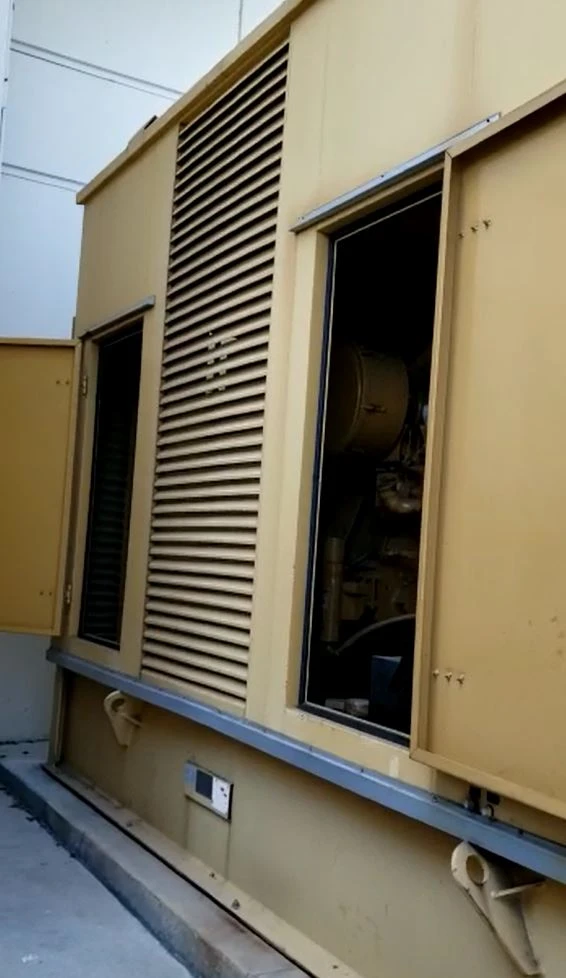
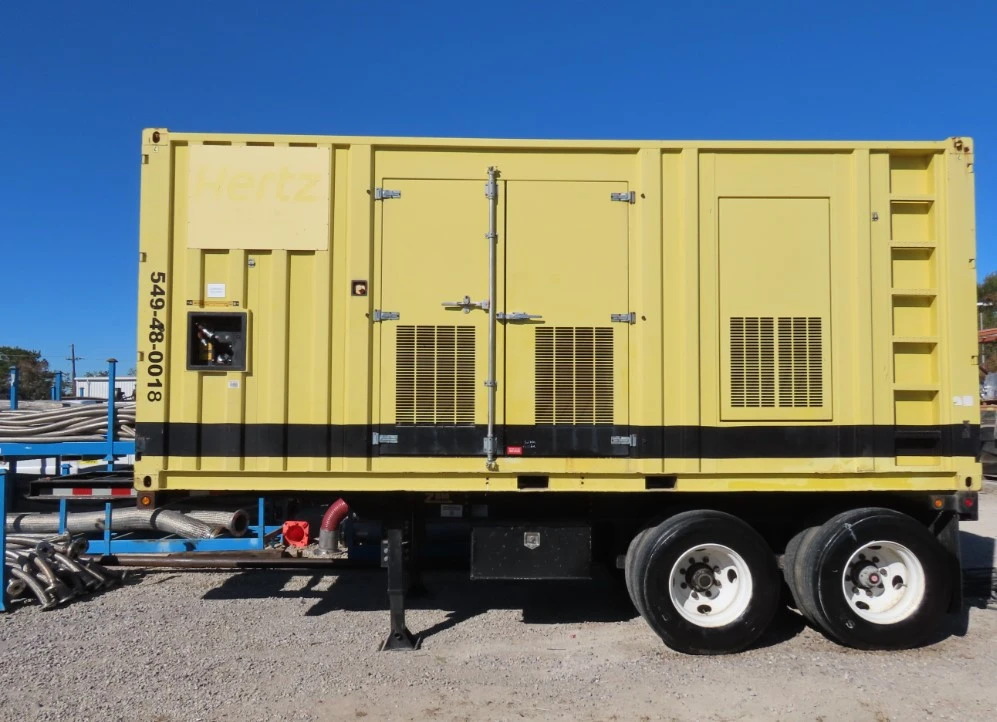
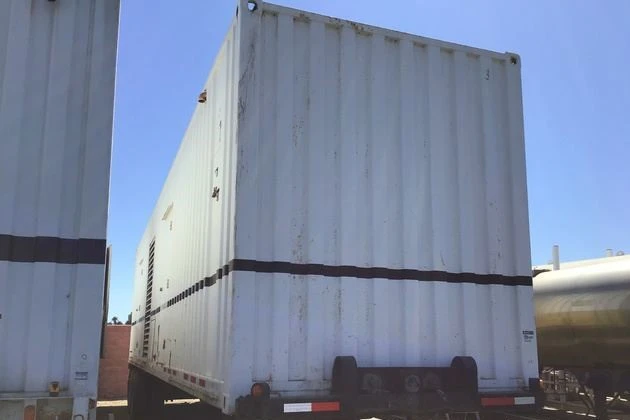
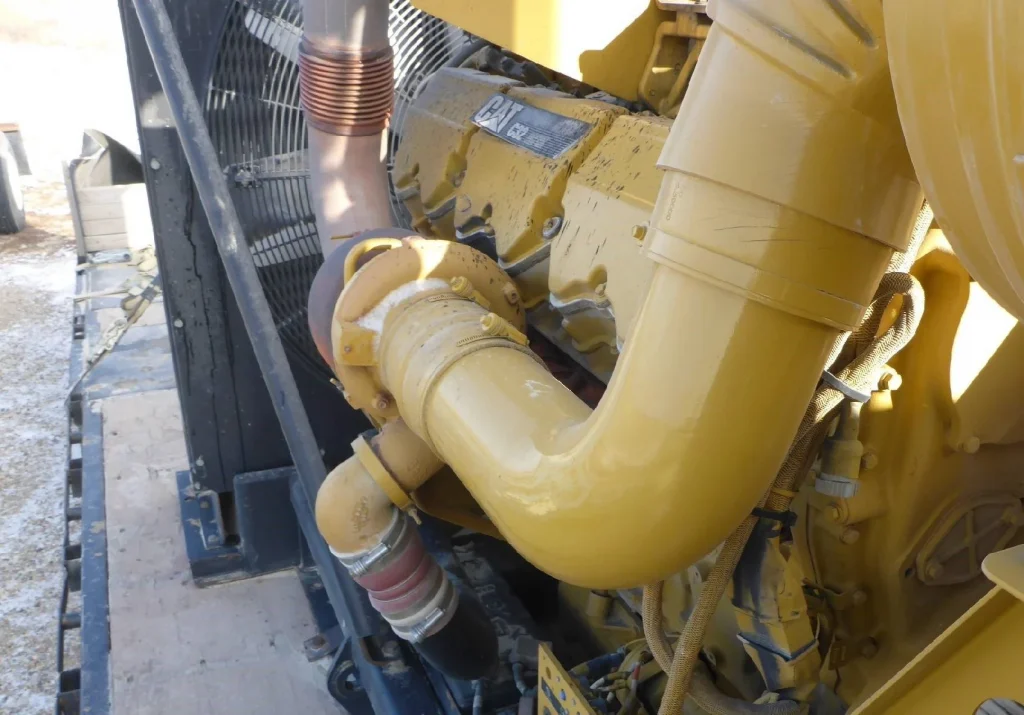
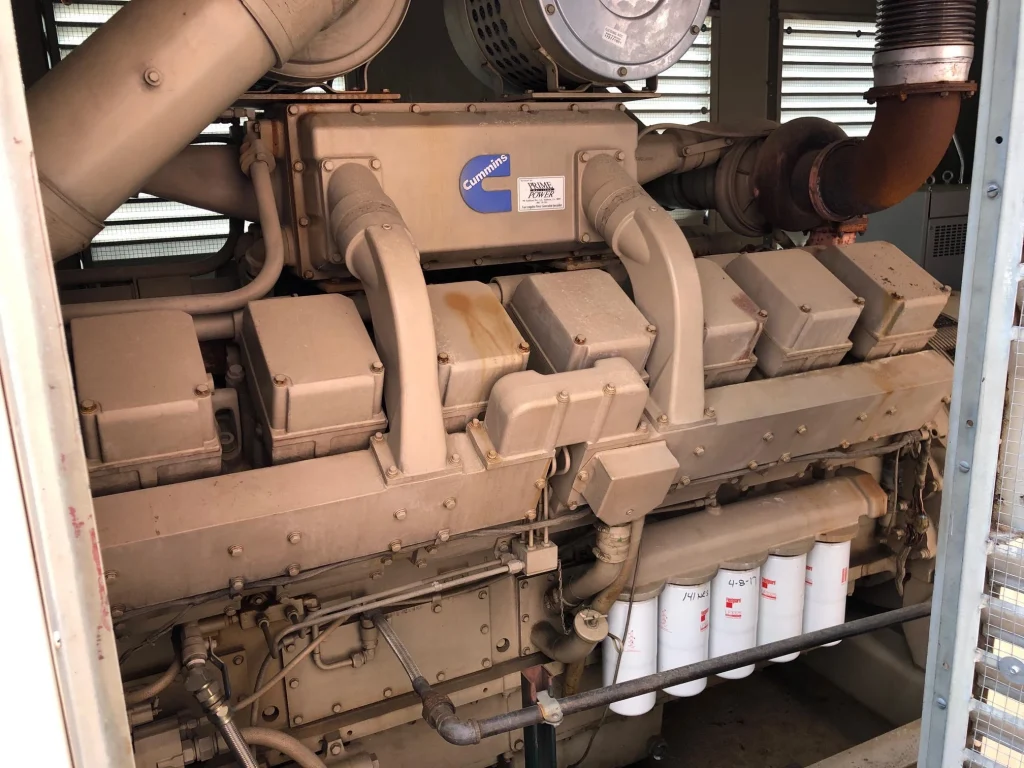
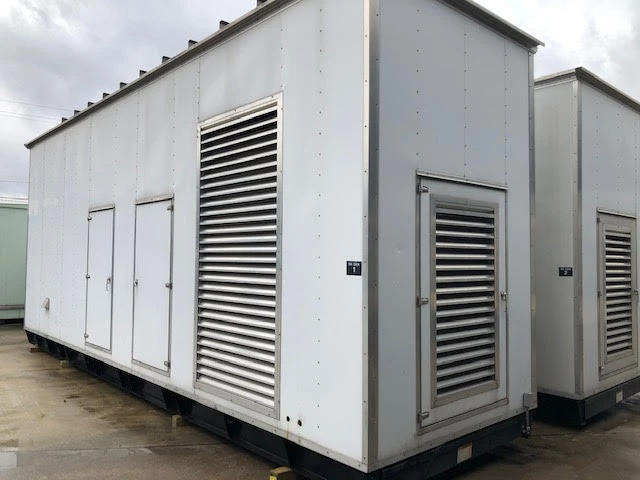
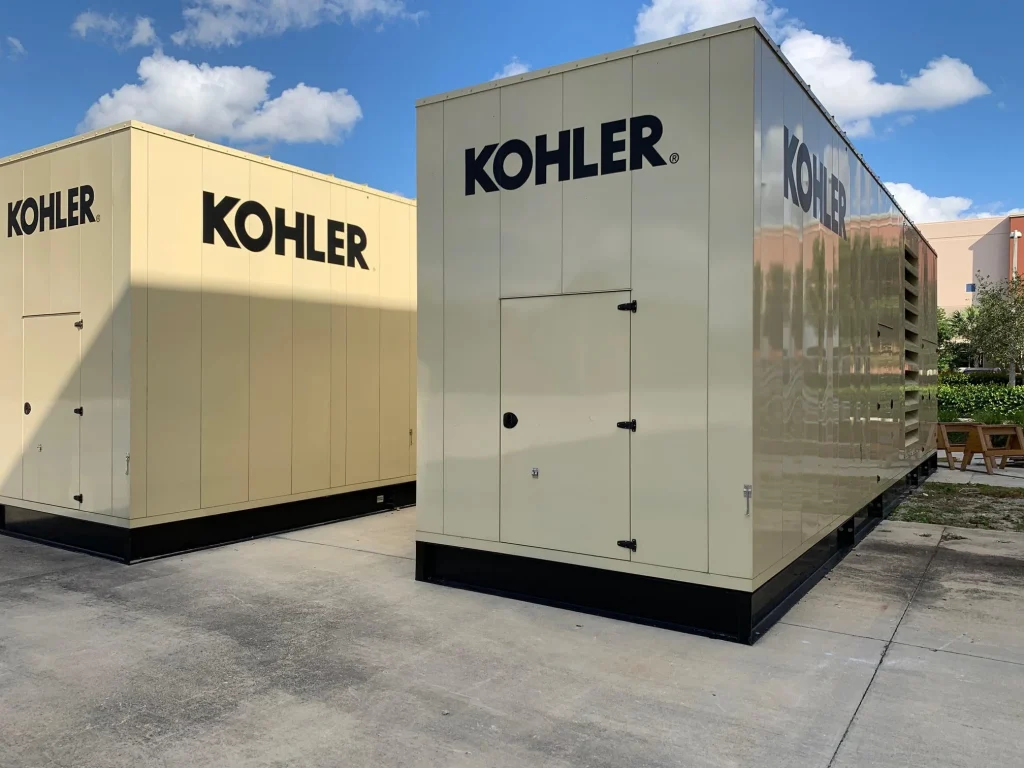
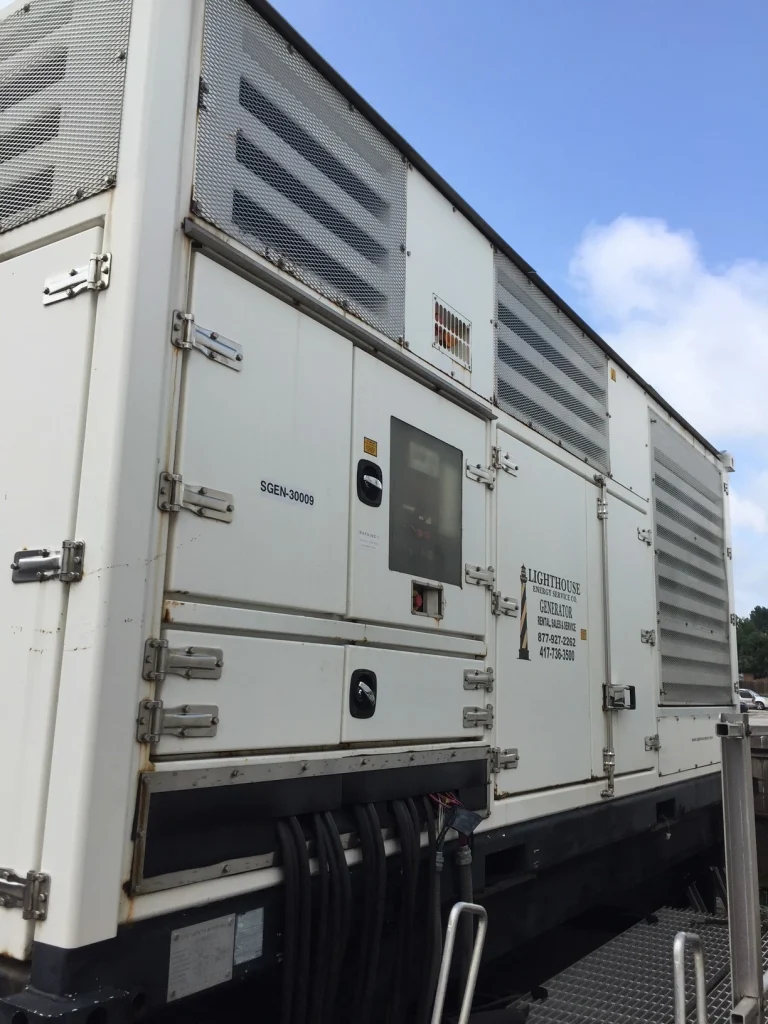
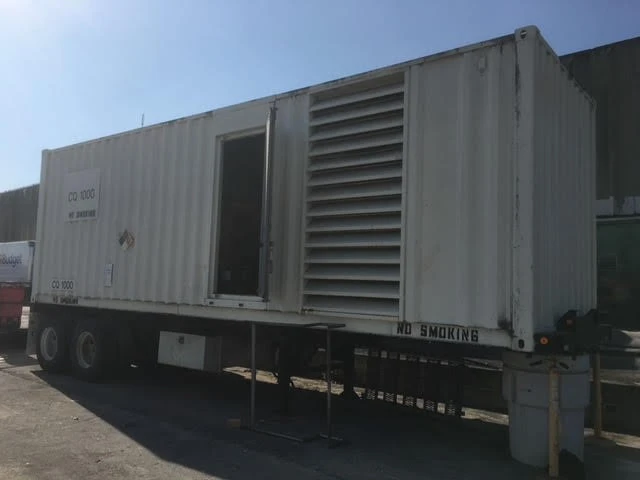
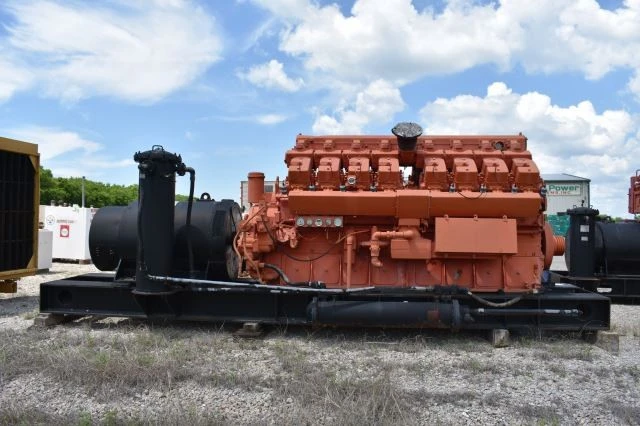
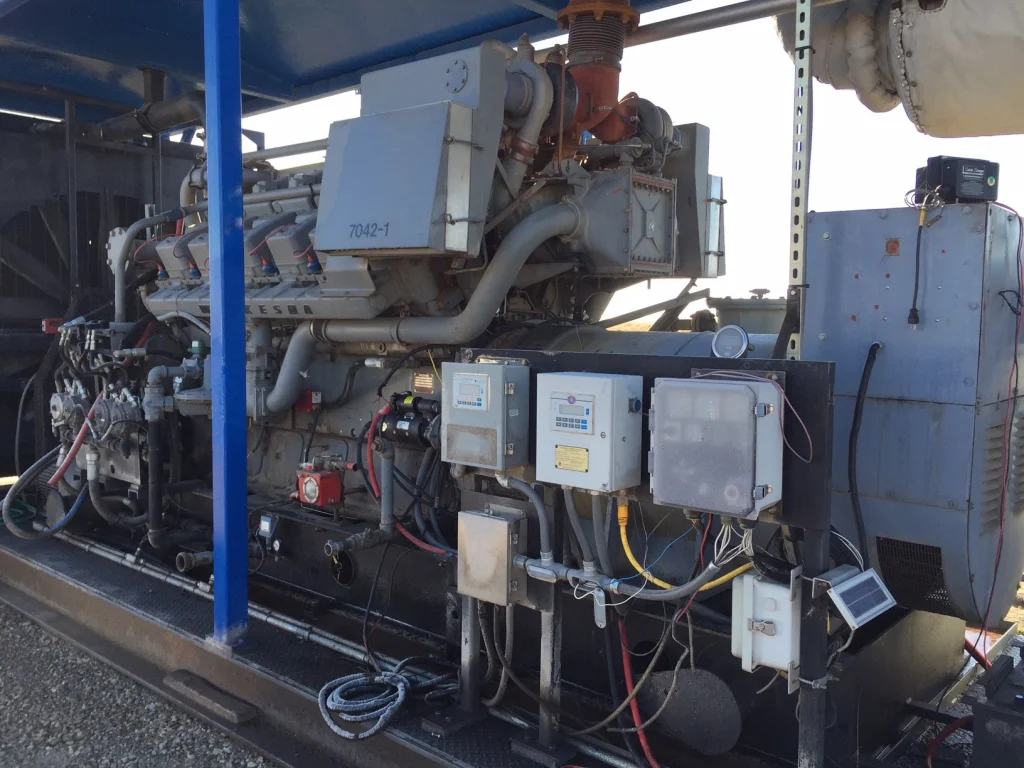
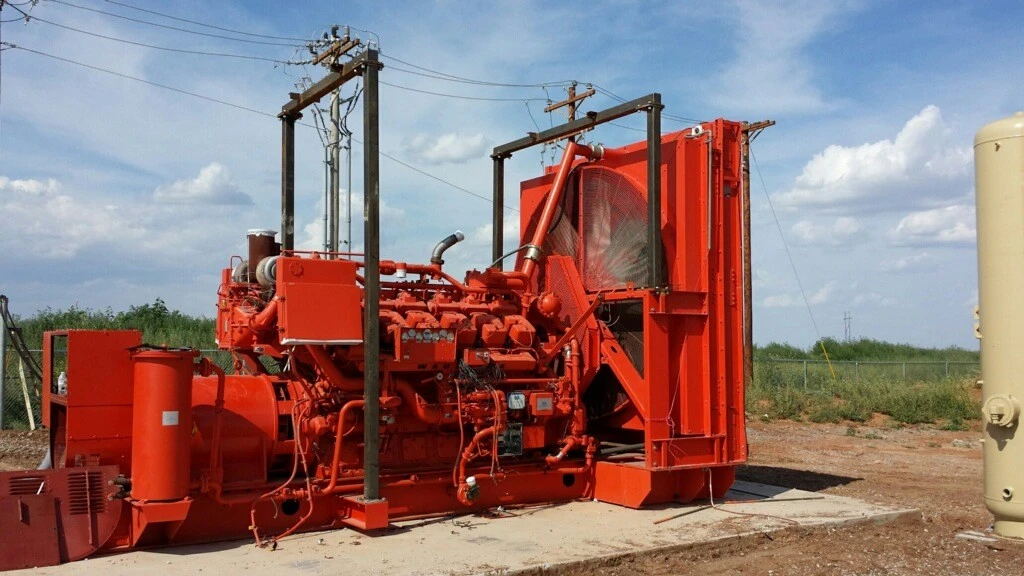
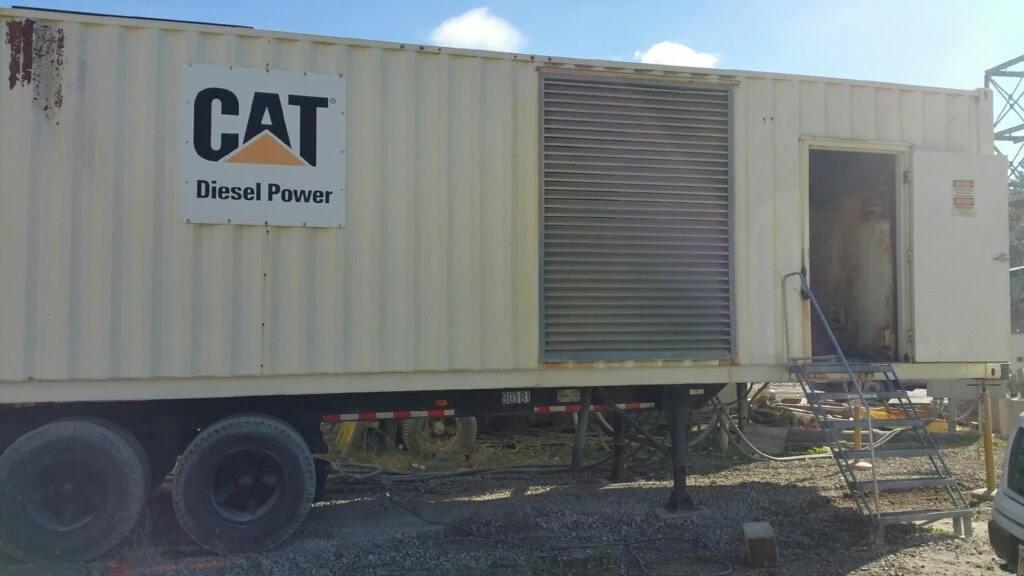
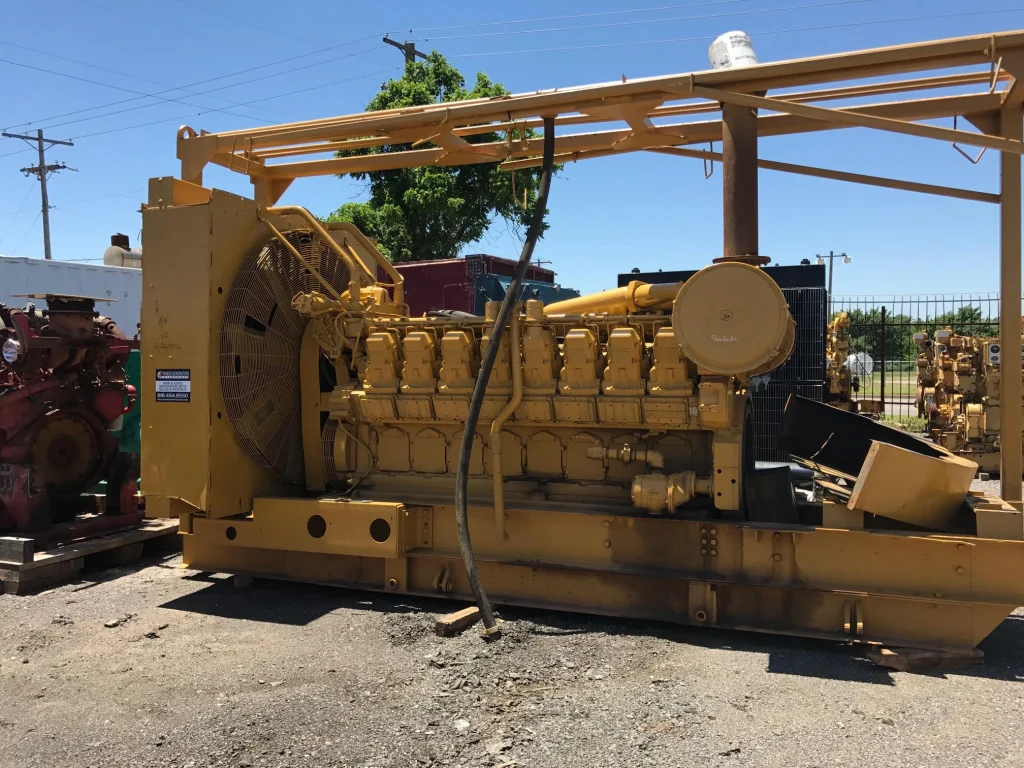
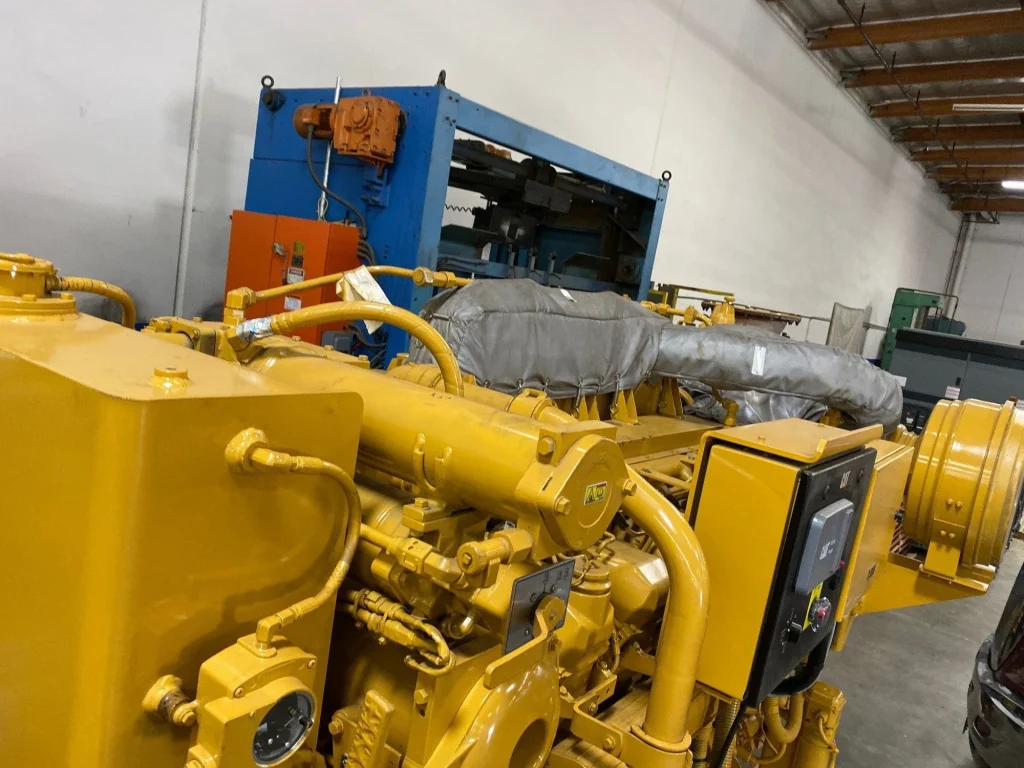
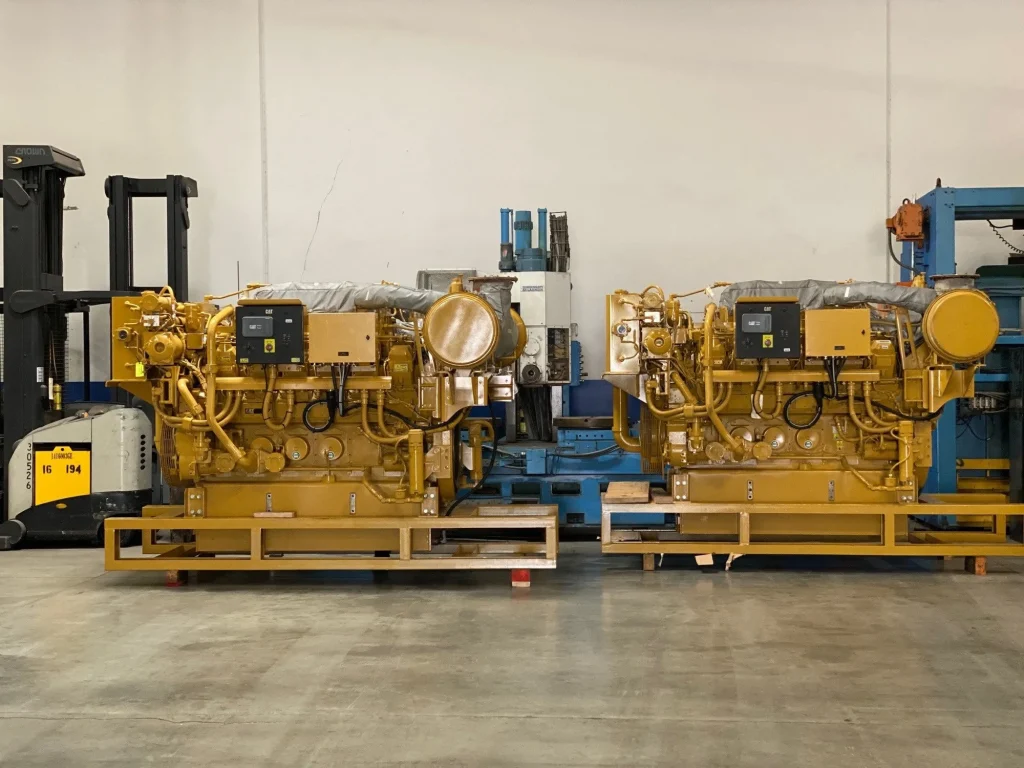
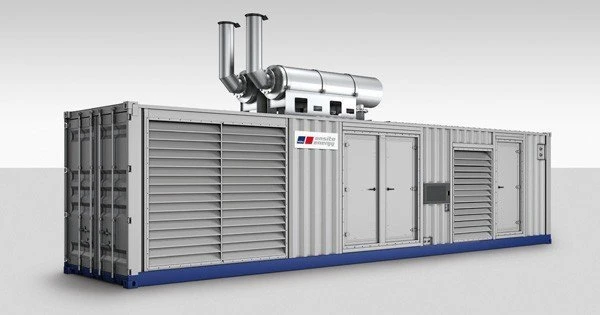
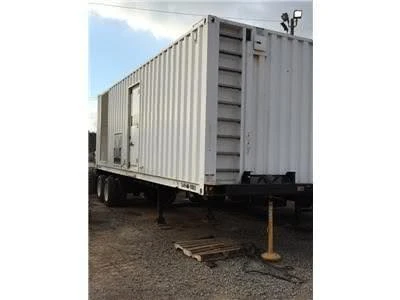
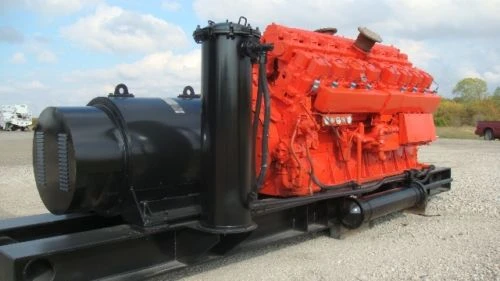
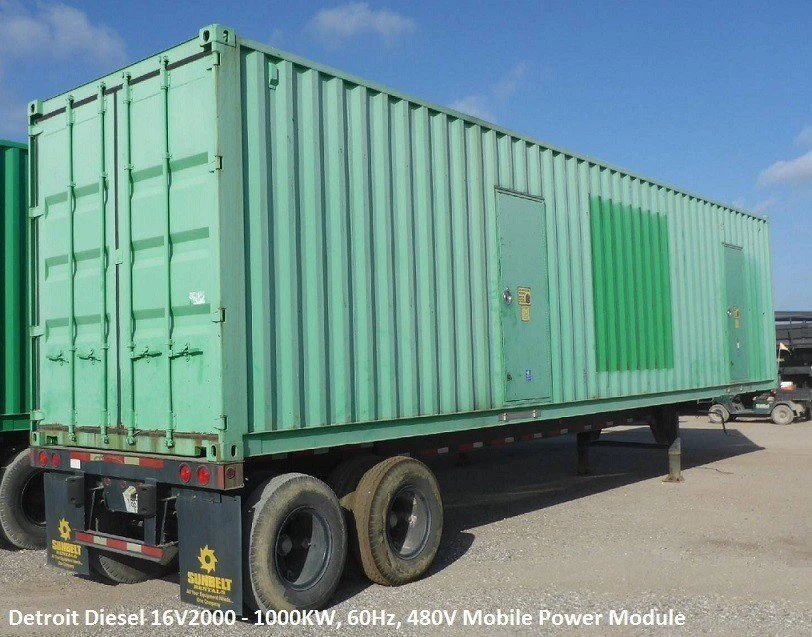
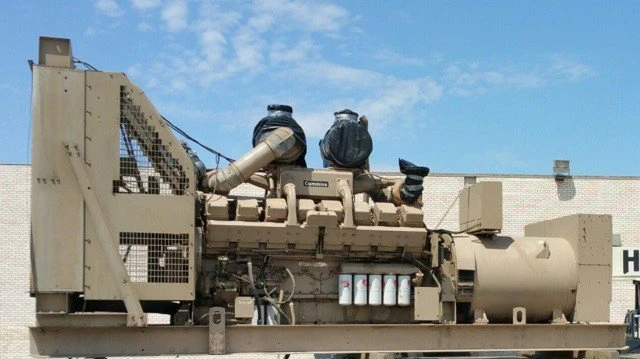
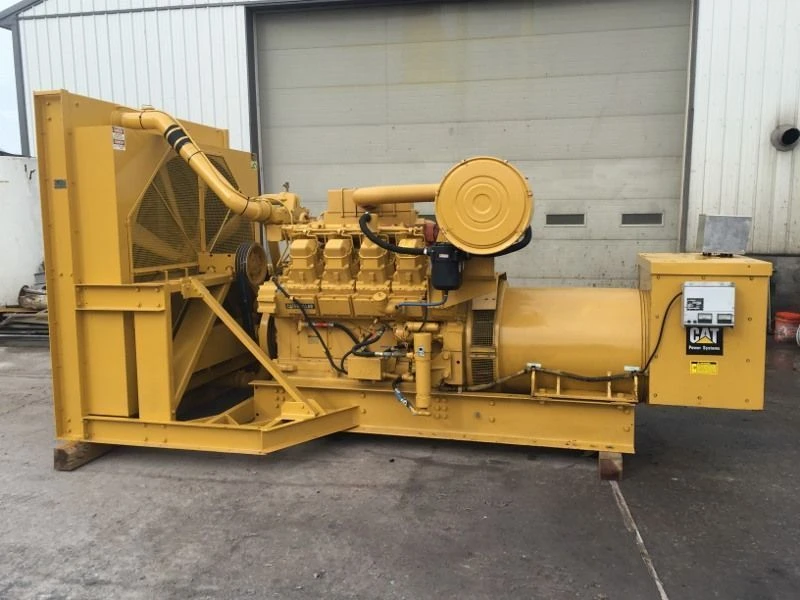
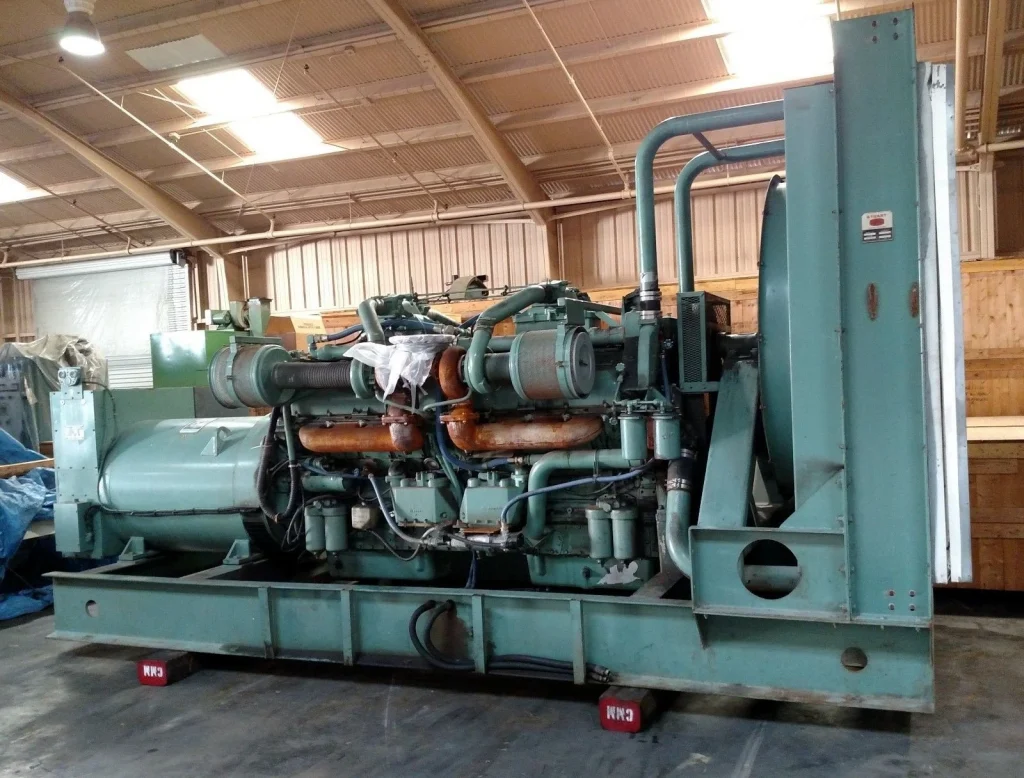
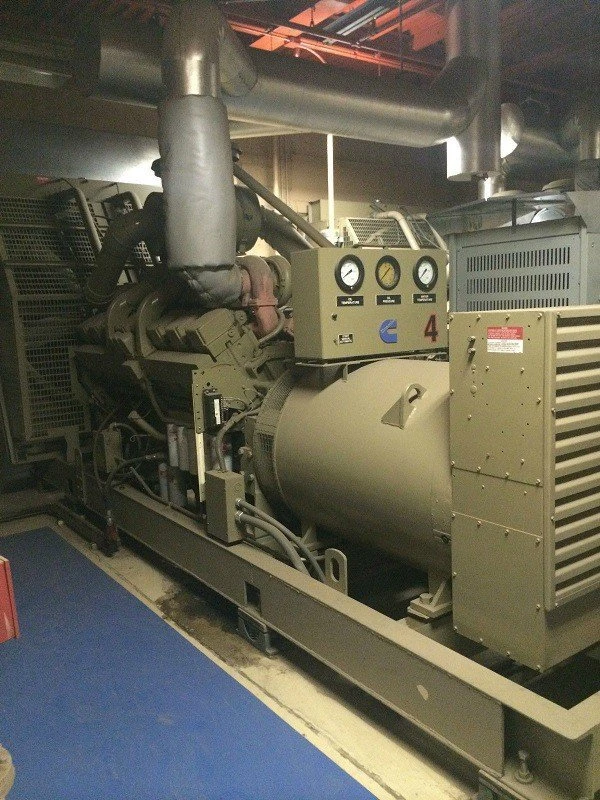
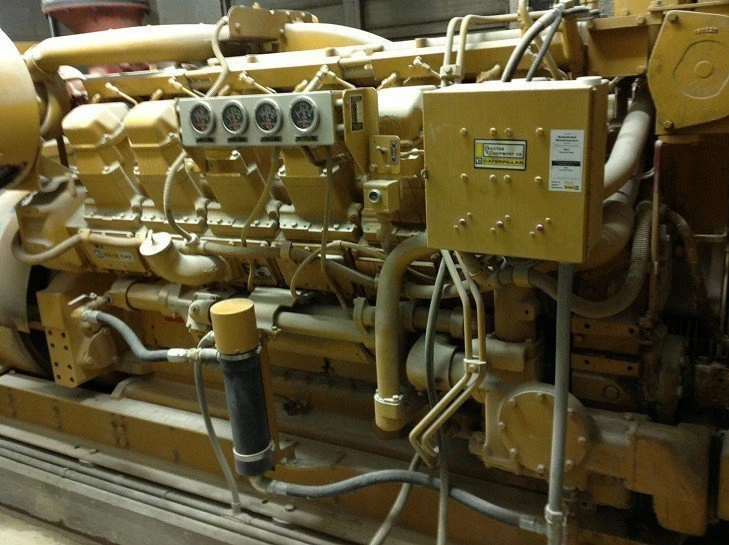
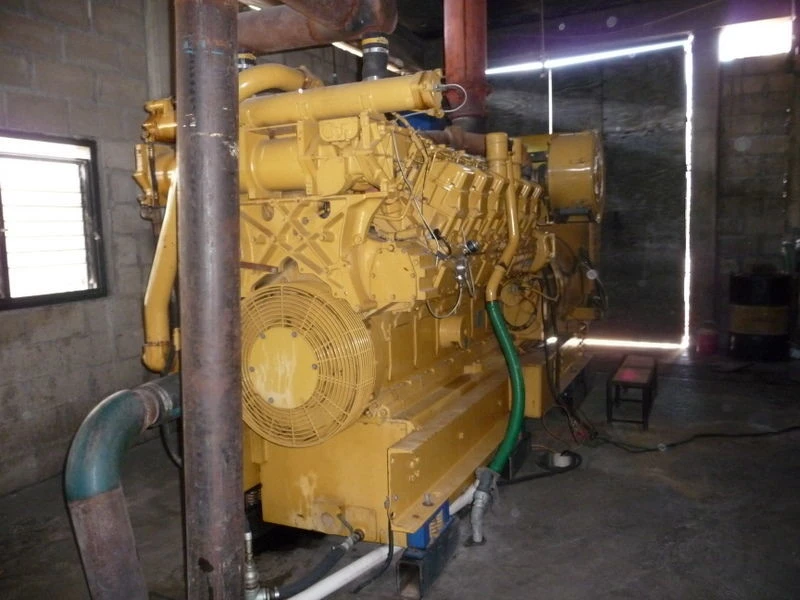
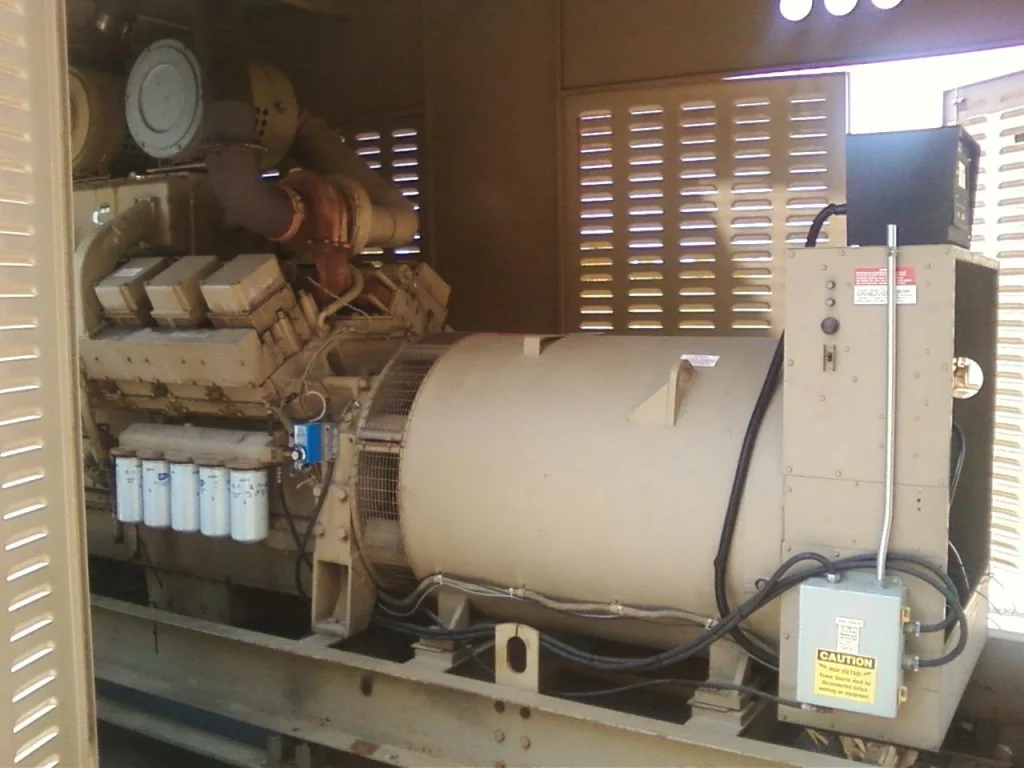
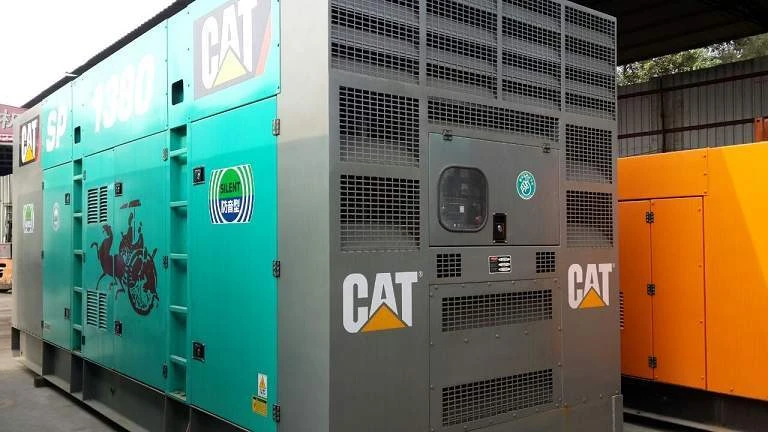
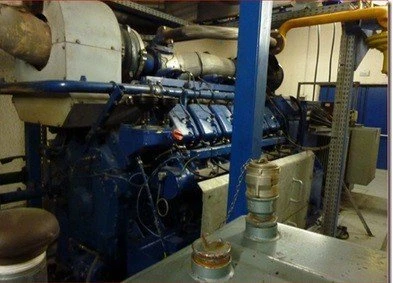
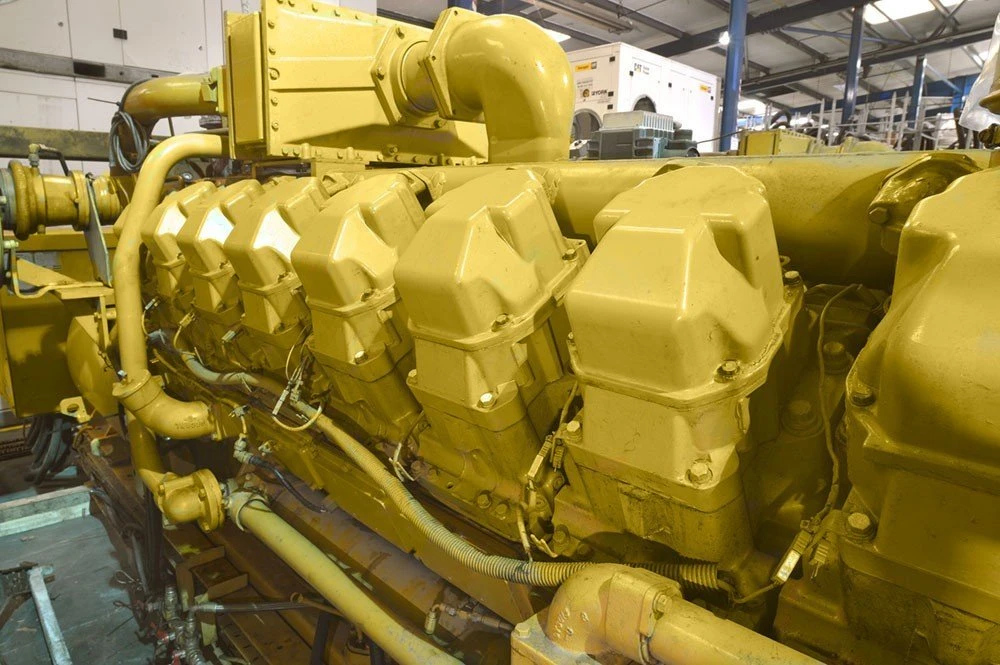
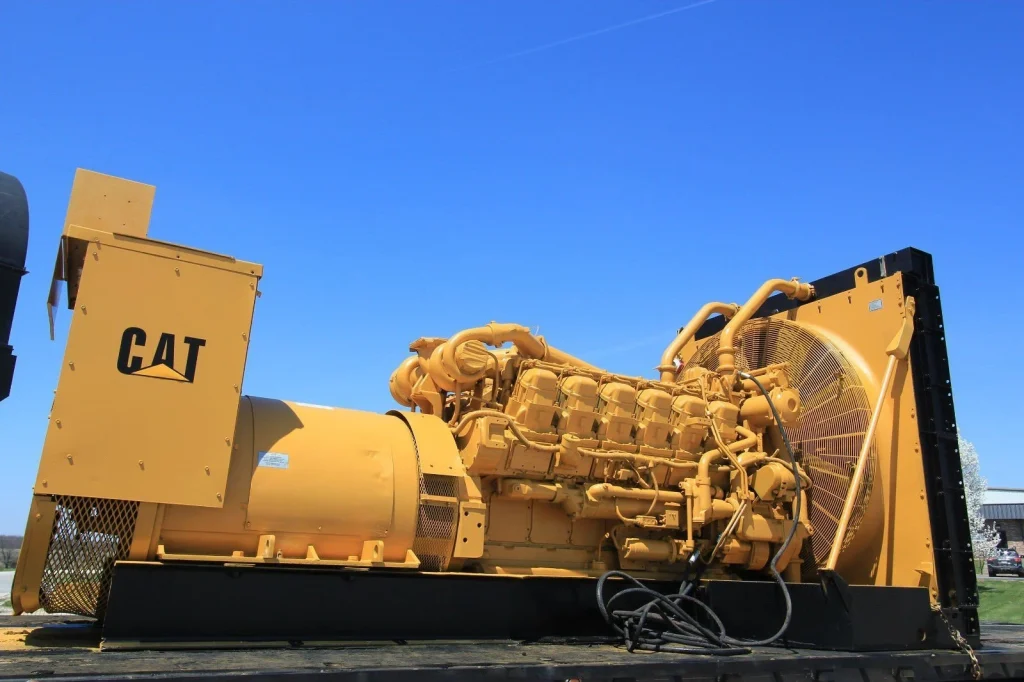
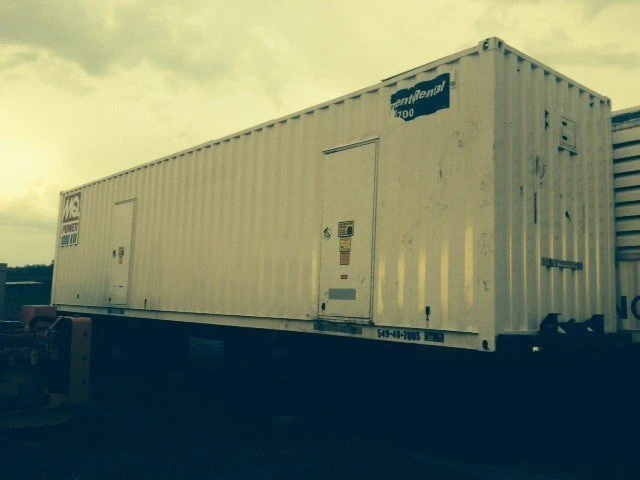
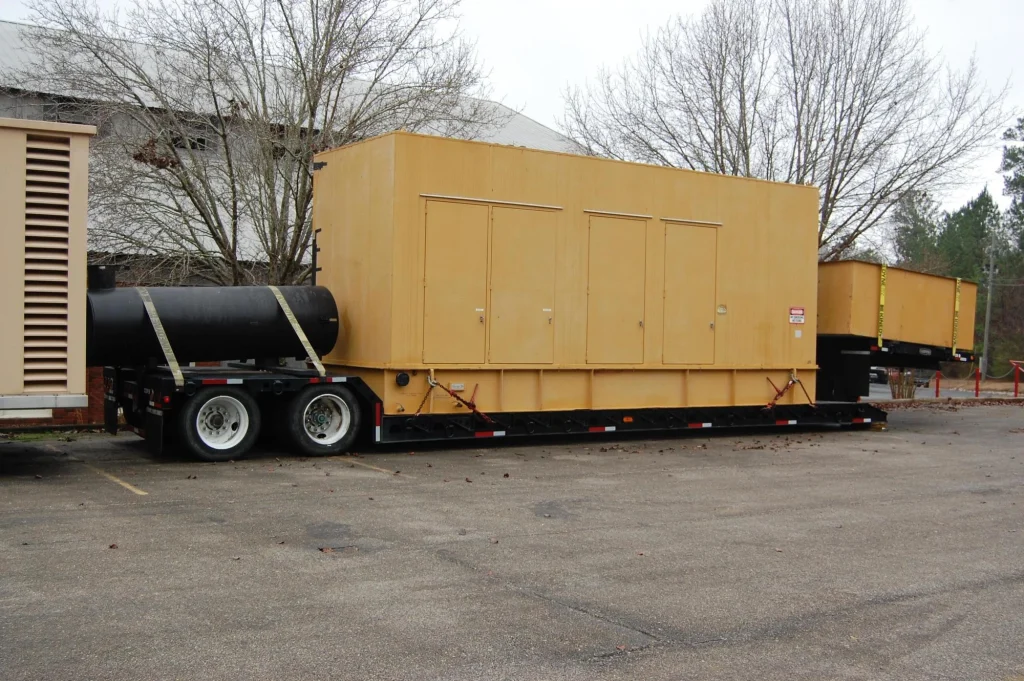
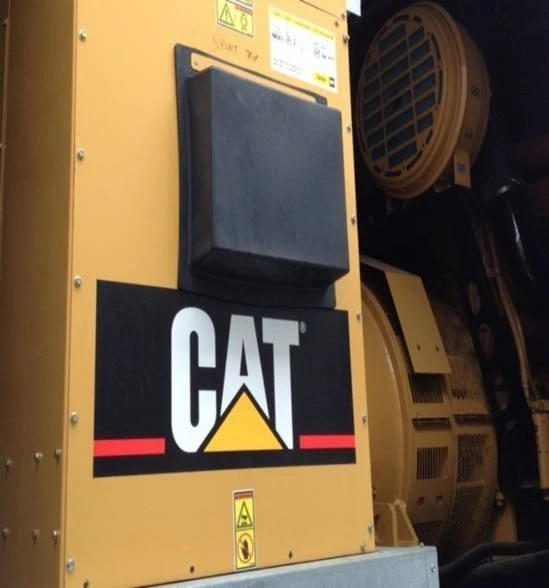
Key Facts: 163 units in stock. CAT 3512B, Cummins QST30 / KTA50 / QSK50 derate, Kohler 1000REOZD, MTU 12V2000, Detroit/MTU 1000DSEC. Tier 2 through Tier 4 Final. Priced $45K-$220K depending on hours, tier, and switchgear. Ships nationwide from Santa Clarita.
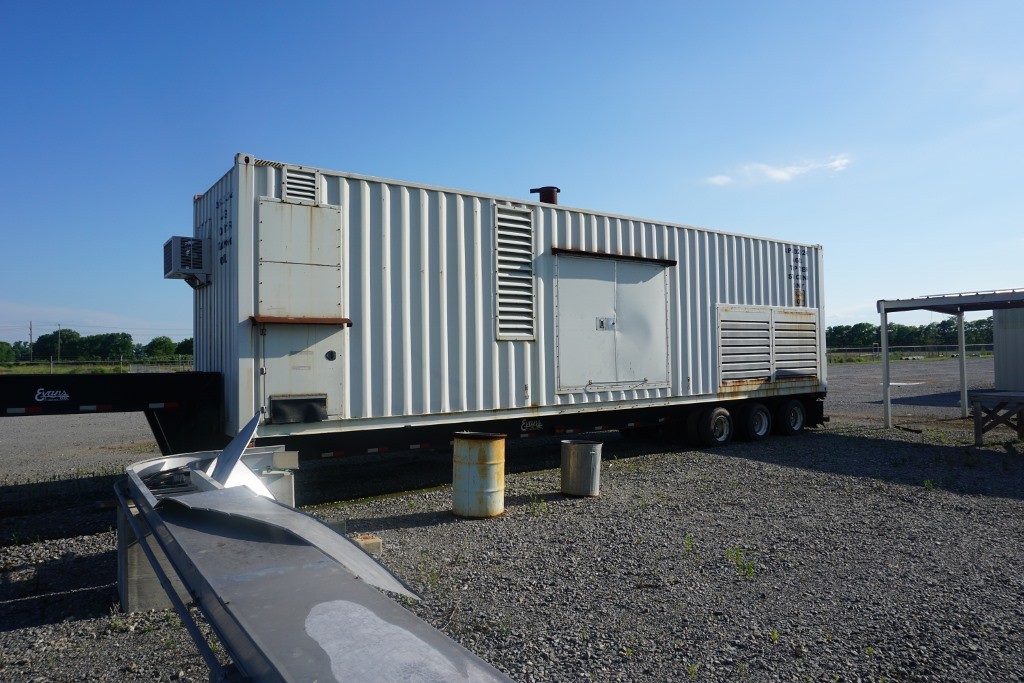
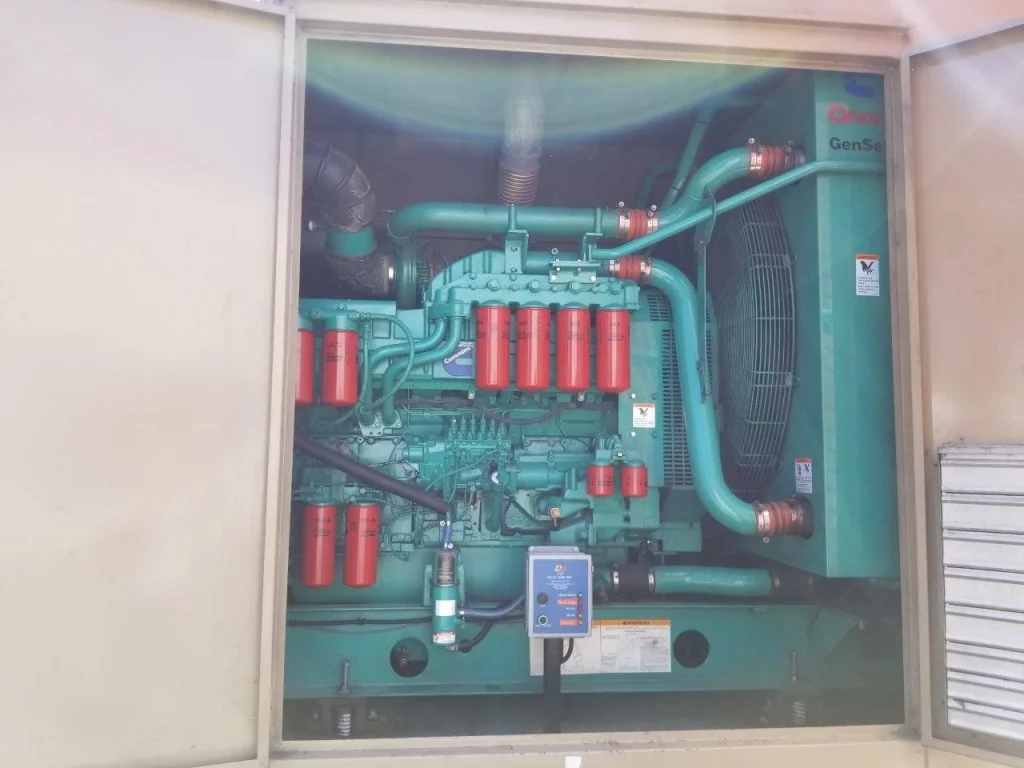
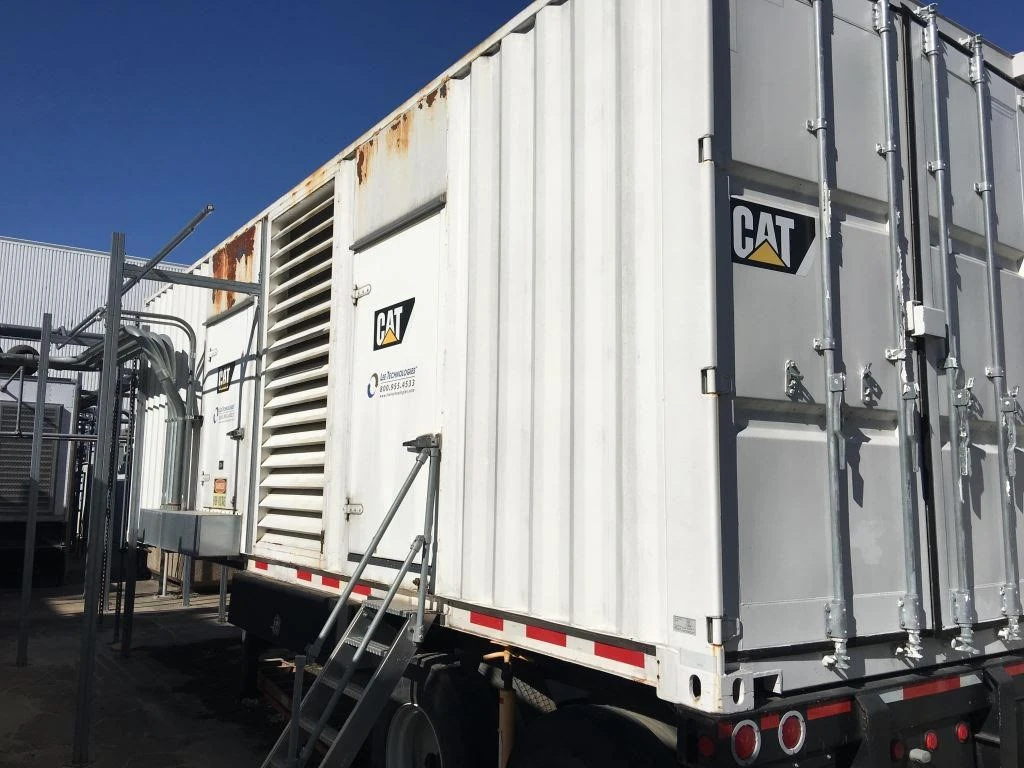
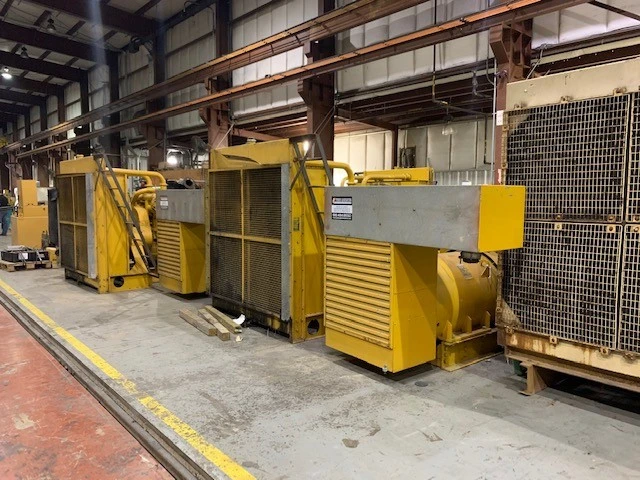
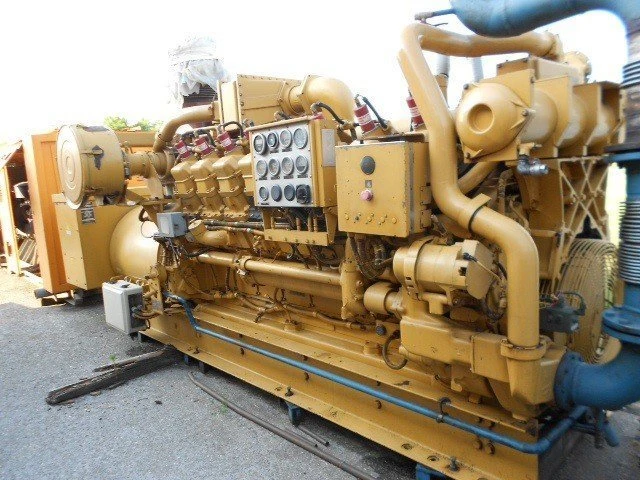
1000 kW is the size where the conversation changes. Below it, you are buying a generator. At 1000 kW, you are buying a system — a fuel skid, a paralleling-capable controller, a switchgear lineup, and an oil sample program that runs every 250 hours. We stock 163 units in this class right now at our Santa Clarita yard, ranging from a 2003 CAT 3512B with 1,400 hours pulled out of a Bakersfield refinery to a 2018 Cummins QST30 with 87 hours that came off a data center commissioning where the load profile changed.
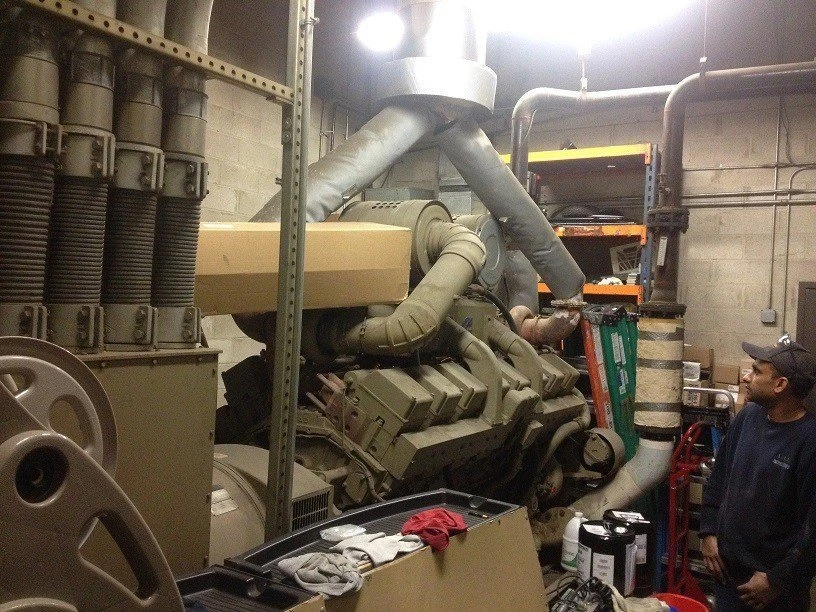
The buyers we see in this size are mid-size hospitals replacing 25-year-old CAT 3512s, Tier II data centers building out a single hall, water treatment plants that need to ride through a 4-hour PG&E shutoff event, and the occasional almond or pistachio processor in the Central Valley running prime power because grid extension would have cost them $1.4M. The 1000 kW unit is the smallest size that still gets 12-cylinder engineering — CAT 3512, Cummins QST30, MTU 12V2000 — which means longer service intervals and a different repair economics than a 750 kW C18 or QSX15.
We have sold these into refineries, hospitals from San Diego up to Sacramento, a desalination plant in Carlsbad, two NFL stadiums (one as standby for the broadcast compound, one as event power), and into Latin America for mining operations. Used pricing in this class generally runs $45,000 for a tired Tier 0 / Tier 1 3512 with 25,000 hours up to $220,000 for a low-hour Tier 4 QST30 with switchgear. Most of what moves is in the $85K to $145K window. We will tell you the hours, the last oil sample, and what the Murphy panel said the day we pulled it.
If you are sizing between 800 kW and 1250 kW, we will talk you through the load study before we quote you. Oversizing a 1000 kW to 1250 kW because somebody told you to add 25% margin is how you end up wet-stacking a Tier 4 unit on a hospital that runs at 38% load every Tuesday at 2pm during the weekly exercise.
Popular 1000 kW Generators Generator Models
About 1000 kW Generators
The 1000 kW class exists because of a specific cluster of load profiles in the 800-1250 kW range that don't justify a 1500 kW or 2000 kW unit but outgrow a 750 kW. Mid-size acute care hospitals — anywhere from 150 to 300 beds — almost always end up here. The essential electrical system load on a hospital that size after you account for Code Blue redundancy, two banks of imaging, the central plant, and the IDF rooms typically lands between 750 and 950 kW connected, which sizes to a 1000 kW standby unit with NFPA 110 Type 10 transient performance.
Tier II data centers building out a single 8-12 rack hall with a single mechanical lineup are the other big buyer. The math is straightforward — a hall pulling 600-800 kW of IT load plus cooling and PUE overhead lands in the 950-1100 kW window, and 1000 kW is the standby spec.
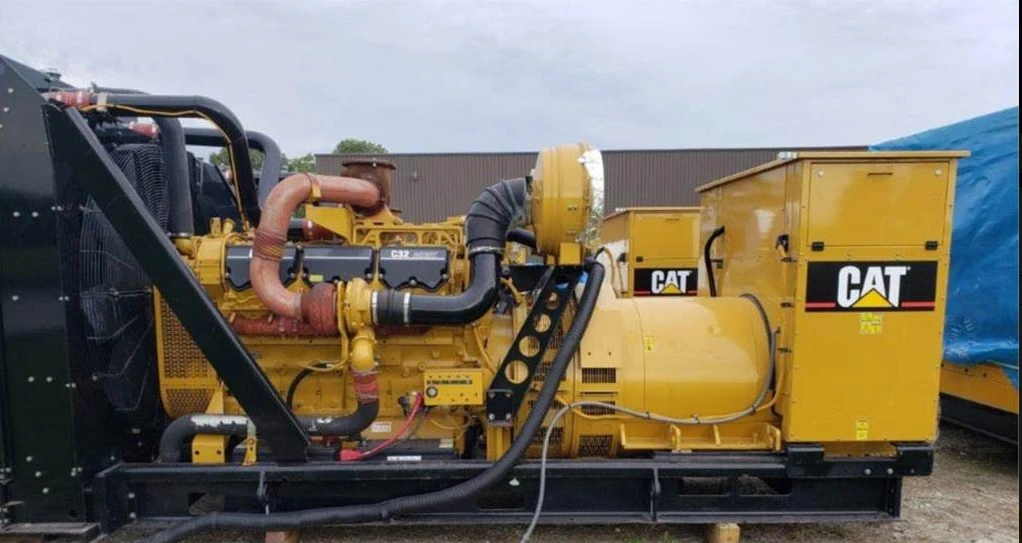
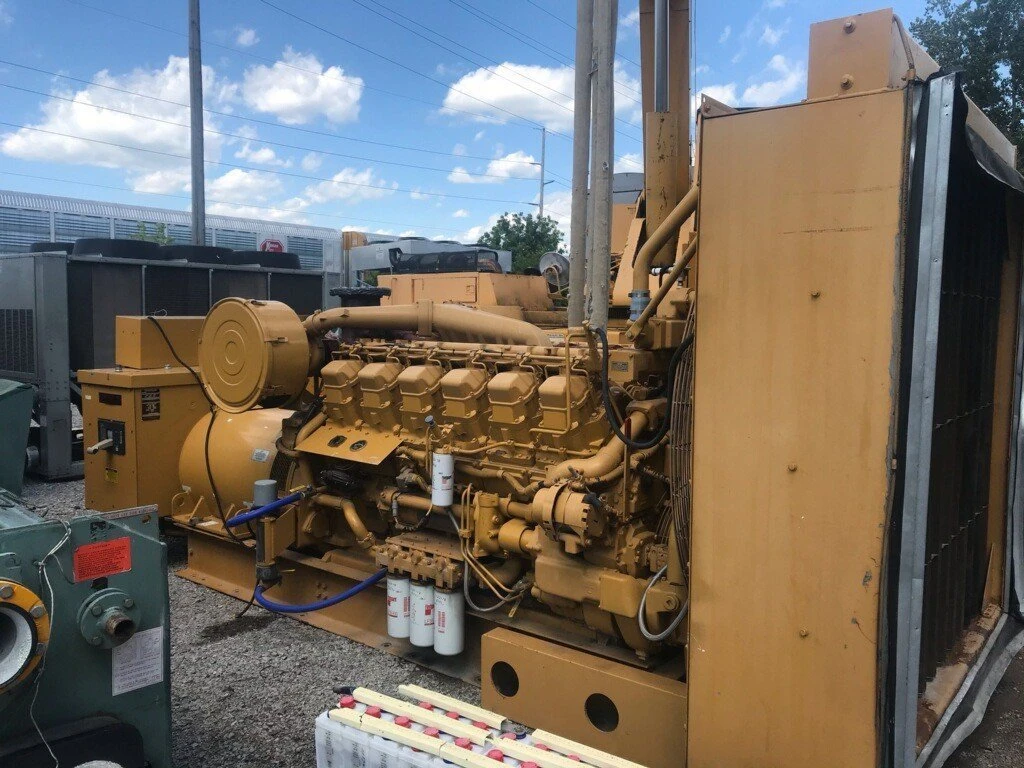
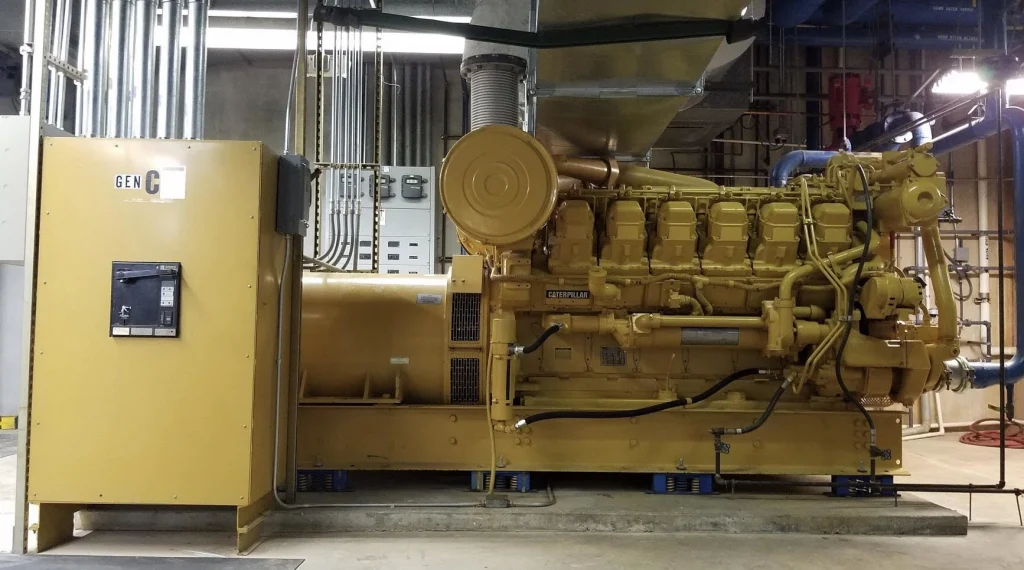
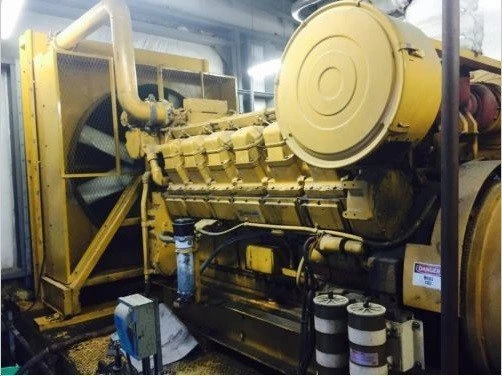
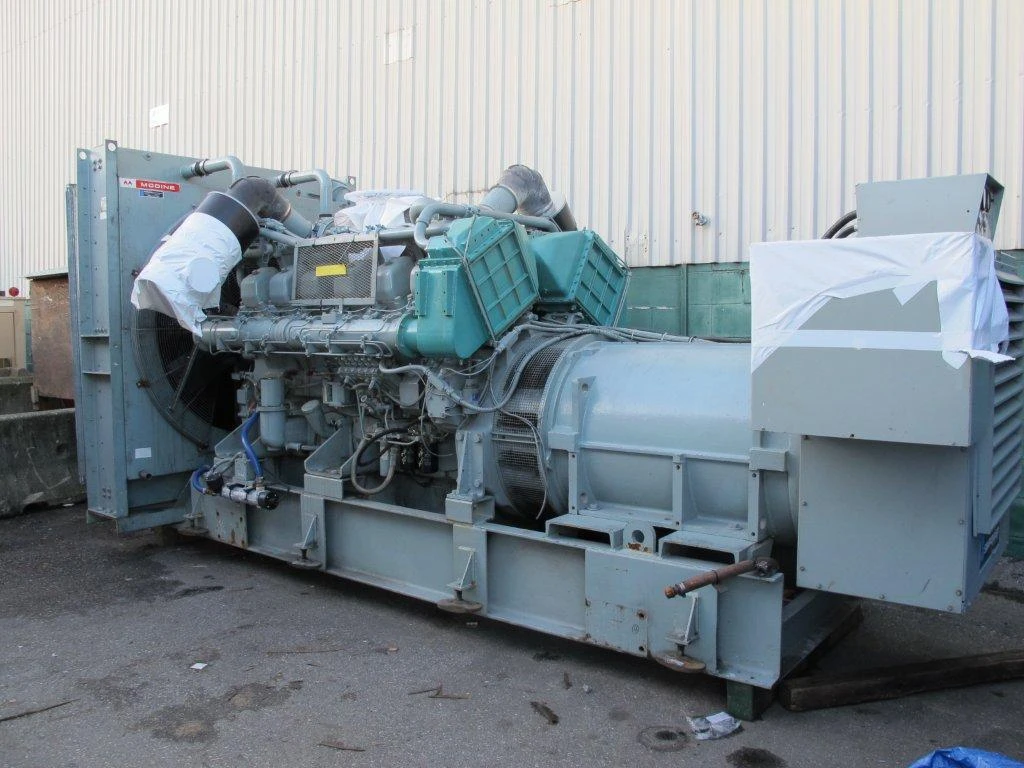
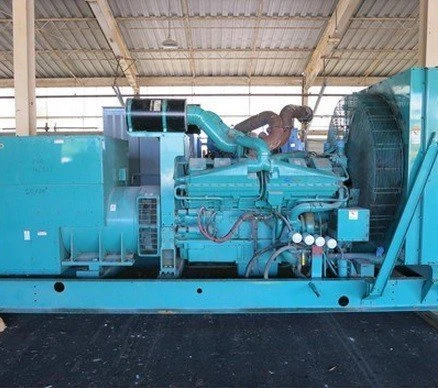
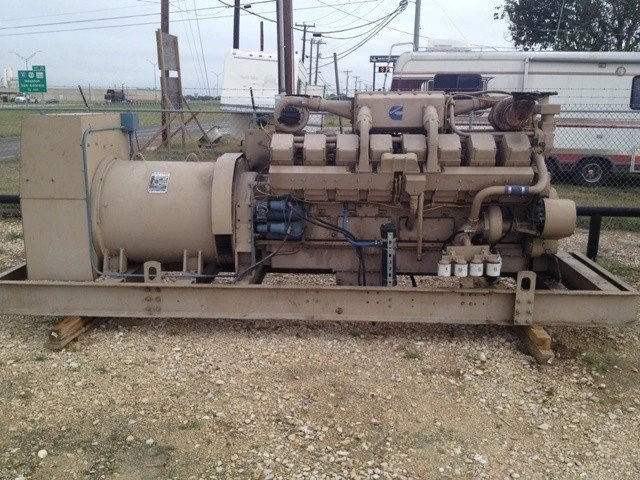
The engine platforms that hit exactly 1000 kW didn't arrive there by accident. The CAT 3512 was originally rated 1100-1250 kW continuous in a marine application; derated for standby with EPA Tier 2 emissions, it lands at 1000-1250 kW. The Cummins QST30, introduced in the early 2000s as the V-form replacement for the inline KTA38 in this size class, was deliberately engineered around a 1000 kW standby target. Cummins also offers the KTA50 and QSK50 here, but both are derates from larger native ratings (1500 kW and 2000 kW respectively). Kohler's 1000REOZD uses the Mitsubishi S12R-Y2PTAW2 engine and was built to compete head-on with the 3512B in healthcare specs.
Tier 4 Final adoption in this size class is uneven. Hospitals replacing in 2024+ are largely going Tier 4. Industrial and water-treatment buyers in non-attainment regions like California's San Joaquin Valley have to. But Tier 2 standby units are still legal in most jurisdictions for emergency-only operation under 100 hours per year — which is why the used Tier 2 market in this size is still active. We routinely sell Tier 2 1000 kW CAT 3512Bs into states where Tier 4 is not required for emergency service.
Standby vs prime matters more at 1000 kW than at smaller sizes. A 1000 kW standby is a 910 kW prime, give or take. If you're running prime power — which we see with mid-tier industrial, almond hullers, oil & gas pad operations during a refinery turnaround — you actually need a unit nameplated for prime, with the heavier crankshaft and the appropriate oil cooler. We will not sell you a standby-rated 3512 for a prime application without the conversation about why that's a bad idea.
Why Choose 1000 kW Generators Generators?
12-Cylinder Heavy Industrial Engineering
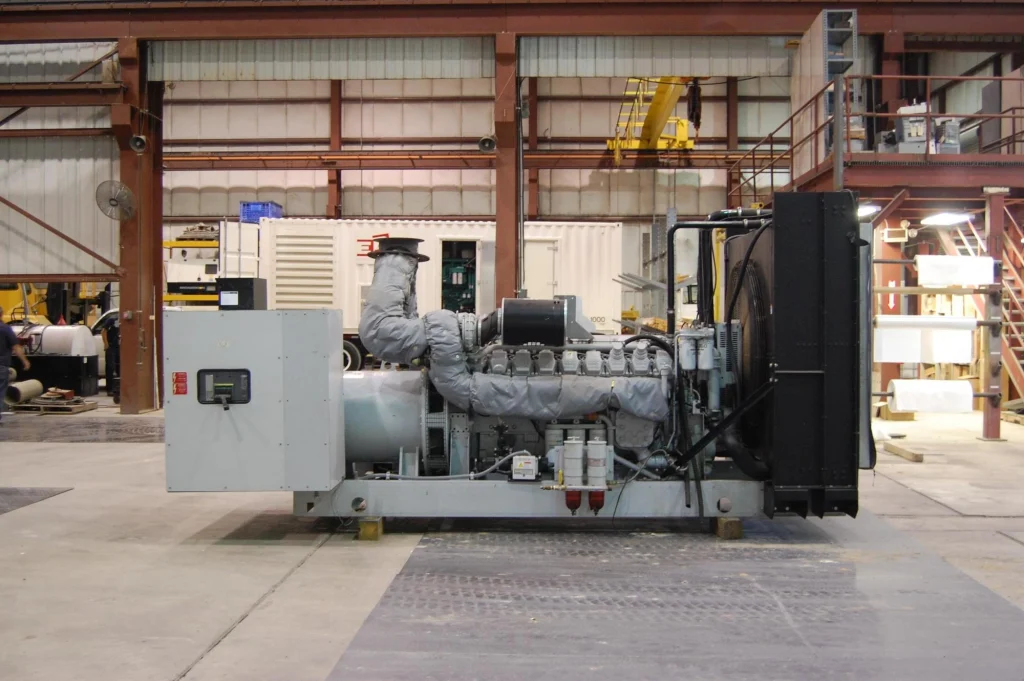
1000 kW is the smallest class that gets 12-cylinder heavy-industrial blocks across the major brands — CAT 3512, Cummins QST30, MTU 12V2000. Service intervals are longer (500-hour oil changes vs 250 on smaller V8s), parts are more available, and the engines are designed for 30,000-40,000 hour service lives.
163 Units in Stock at Santa Clarita
We carry 163 generators in the 1000 kW class right now — CAT 3512B and 3512C, Cummins QST30, KTA50, QSK50, Kohler 1000REOZD, MTU 12V2000 derates, and Detroit/MTU 1000DSEC. Most ship within 2-4 weeks. We'll send you the bill of materials, hours, last load bank result, and current oil sample data before you commit.
Standby and Prime Ratings — Both Stocked
A 1000 kW standby is a 910 kW prime. We stock both. If you're running prime power for a refinery turnaround, an almond processor, or a pad operation, we will not quote you a standby unit. We will quote you a prime-rated unit with the right crankshaft, oil cooler, and aftercooler config.
Tier 2 Through Tier 4 Final Compliance
Hospitals replacing in 2024+ are largely going Tier 4 Final. Emergency-only standby in most jurisdictions still allows Tier 2 — which is why the used Tier 2 market in this size is still active. We will tell you what your jurisdiction requires before we quote.
Documented Maintenance + Oil Sample History
Every 1000 kW unit we sell comes with hours, last load bank result, and oil sample history where available. Hospital decommissions in this class come with the full Joint Commission paper trail — weekly tests, monthly inspections, annual load bank — which adds $20K-$40K of value over an undocumented unit.
Pacific Time Zone Inventory + Shipping
Our Santa Clarita, CA yard is 30 miles north of LA. We can have a 1000 kW unit on a flatbed and rolling toward Phoenix, Las Vegas, the Bay Area, or Portland inside 48 hours of a deal closing. Nationwide and international shipping for the right project. Call (818) 484-8550.
Frequently Asked Questions
How much does a 1000 kW generator cost used?+
Used 1000 kW generators run $45,000 for a tired Tier 0/Tier 1 unit with 25,000+ hours up to $220,000 for a low-hour Tier 4 Final QST30 or 3512C with switchgear. The realistic mid-market window — what most of our 1000 kW deals close at — is $85,000 to $145,000 for a Tier 2 unit with 1,500-8,000 hours and good documentation. New equivalent units list at $400,000-$650,000 plus 16-24 weeks lead time.
What's the difference between a 1000 kW standby and a 1000 kW prime rating?+
A unit nameplated 1000 kW standby is rated for emergency-only operation, typically under 100 hours per year, and produces 910 kW continuous when used as prime power. A 1000 kW prime unit has a heavier crankshaft, larger oil cooler, and is rated for unlimited running hours at full load with 10% overload capability for one hour in twelve. If you're running prime — refinery turnaround, almond processing, oil & gas pad — you need a prime-rated unit, not a derated standby. We do not recommend running a standby unit as continuous prime.
Which engine platforms hit exactly 1000 kW?+
The major 1000 kW platforms are the <a href="/brand/caterpillar/">CAT 3512B and 3512C</a> (1000-1500 kW depending on rating), <a href="/brand/cummins/">Cummins QST30</a> (1000 kW standby native), <a href="/brand/cummins/">Cummins KTA50 and QSK50</a> derates from 1500/2000 kW native ratings, <a href="/brand/kohler/">Kohler 1000REOZD/1000ROZD4</a> on the Mitsubishi S12R block, <a href="/brand/mtu/">MTU 12V2000 series</a> uprate, and the <a href="/brand/detroit-mtu/">Detroit/MTU 1000DSEC</a>. The 3512 and QST30 are the most common in the used market — we sell more of those two platforms in this class than everything else combined.
Should I buy 1000 kW or 1250 kW?+
Run the load study first. If your peak demand including motor starting transients lands under 850 kW, a 1000 kW standby is correctly sized. If it lands 950-1100 kW, you need 1250 kW because you have no headroom for future growth and you're running too close to nameplate. The wrong move is sizing 1250 kW because somebody told you to add 25% margin to your existing load. That's how you end up wet-stacking a Tier 4 unit on a hospital that runs at 38% load every Tuesday during the weekly exercise — which causes injector fouling and after a few years a $40K turbocharger replacement.
Is Tier 4 Final required for a 1000 kW generator in California?+
It depends on the jurisdiction and the application. Emergency standby use under 100 hours per year is generally exempt from Tier 4 Final requirements in California, though SCAQMD and Bay Area AQMD have their own permit conditions. New installations in the San Joaquin Valley APCD increasingly require Tier 4. Continuous duty (prime power) almost always requires Tier 4 Final regardless of jurisdiction. We will tell you exactly what your local AQMD requires before we quote — call (818) 484-8550 with your install address.
How many hours is too many on a used 1000 kW generator?+
For a 3512 or QST30 in standby service, anything under 5,000 hours is a young unit. 5,000-15,000 hours is the meat of the used market — fully serviceable with normal maintenance. 15,000-25,000 hours is approaching mid-life — you should plan for an injector job and possibly a turbo refresh in the first 5 years. Over 25,000 hours, the price drops sharply and the unit is generally only economic if you have a specific budget constraint. Hospital units run differently — they accumulate hours slowly (200-400 per year of testing) and a "20-year-old" hospital generator might only have 4,000-6,000 hours, which is functionally low-time.
Can a used 1000 kW generator meet NFPA 110 Type 10 for a hospital?+
Yes — a 1000 kW unit with current EPA tier compliance, a Level 1 controller (most CAT EMCP, Cummins PowerCommand, Kohler Decision-Maker controllers qualify), and a properly sized automatic transfer switch can meet NFPA 110 Type 10 (10-second restoration). The unit needs a recent load bank test result at full nameplate capacity, a current factory-witnessed test certificate or equivalent, and the AHJ (Authority Having Jurisdiction) needs to accept the installation. We have sold used 1000 kW units into hospital replacements where the unit shipped with a 6-month written guarantee and a Joint Commission-ready document package.
What's the lead time for a 1000 kW generator from your inventory vs new?+
Used from our Santa Clarita yard: 2-4 weeks for the unit, plus 4-8 weeks if you need switchgear or a custom enclosure. New CAT, Cummins, or Kohler 1000 kW: 16-24 weeks for the unit, plus 12-20 weeks for paralleling switchgear. If you're replacing a failed unit in a hospital before a Joint Commission survey, the used market is often the only path that hits the deadline.
Do you have 1000 kW units in natural gas?+
Native 1000 kW natural gas generators are rare in the used market because the engine platforms that hit 1000 kW efficiently — the 3512, QST30, MTU 12V2000 — are diesel-dominated. Natural gas at 1000 kW typically means a Cummins GTA or Waukesha unit derated from a larger rating. We do occasionally get them. Most 1000 kW continuous-duty NG buyers go to a Cummins GQNNA at 700-800 kW or step up to a Waukesha L7044 at 1100 kW. Call us with the application and we'll tell you what we have.
Can you ship a 1000 kW generator outside California?+
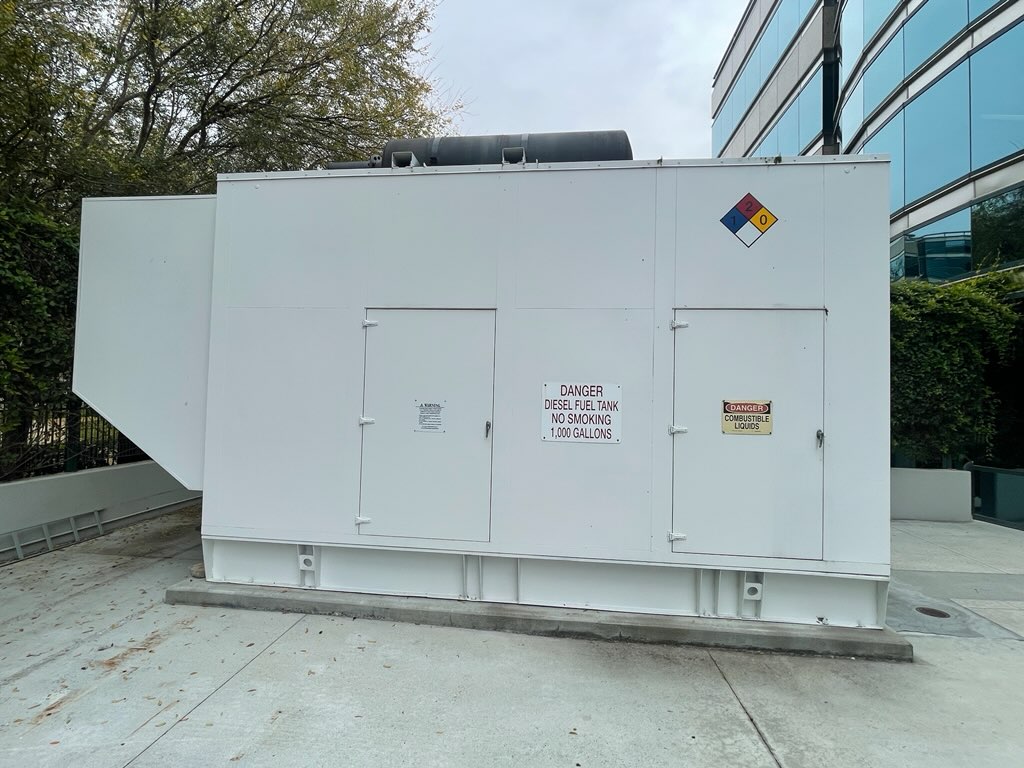
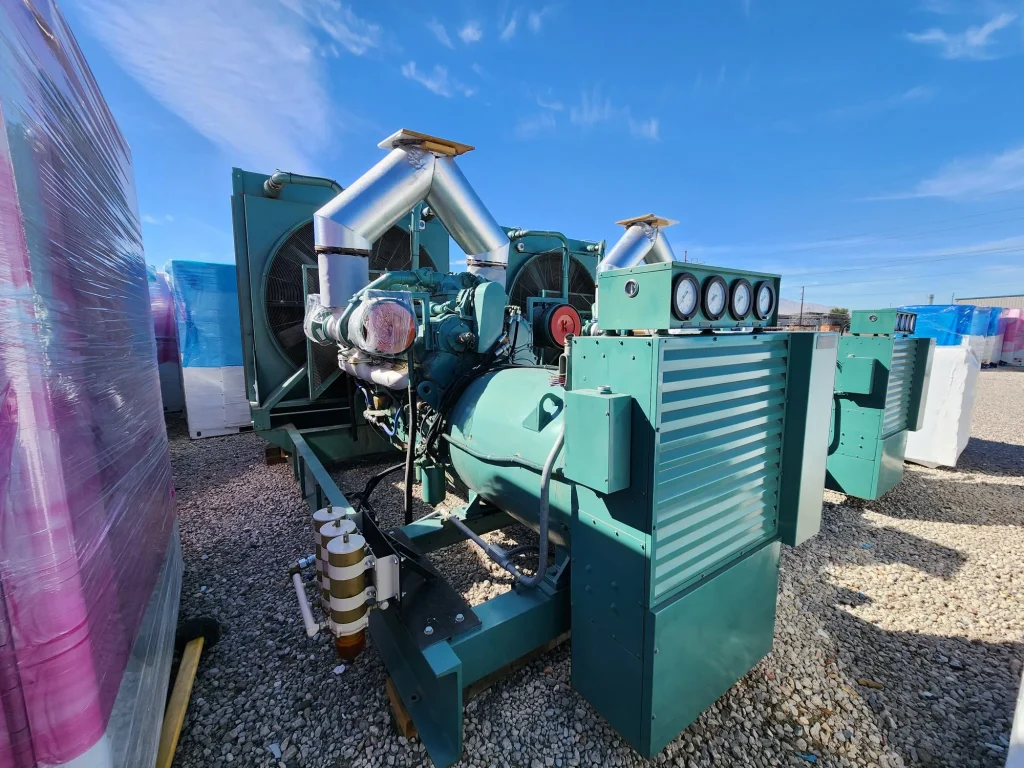
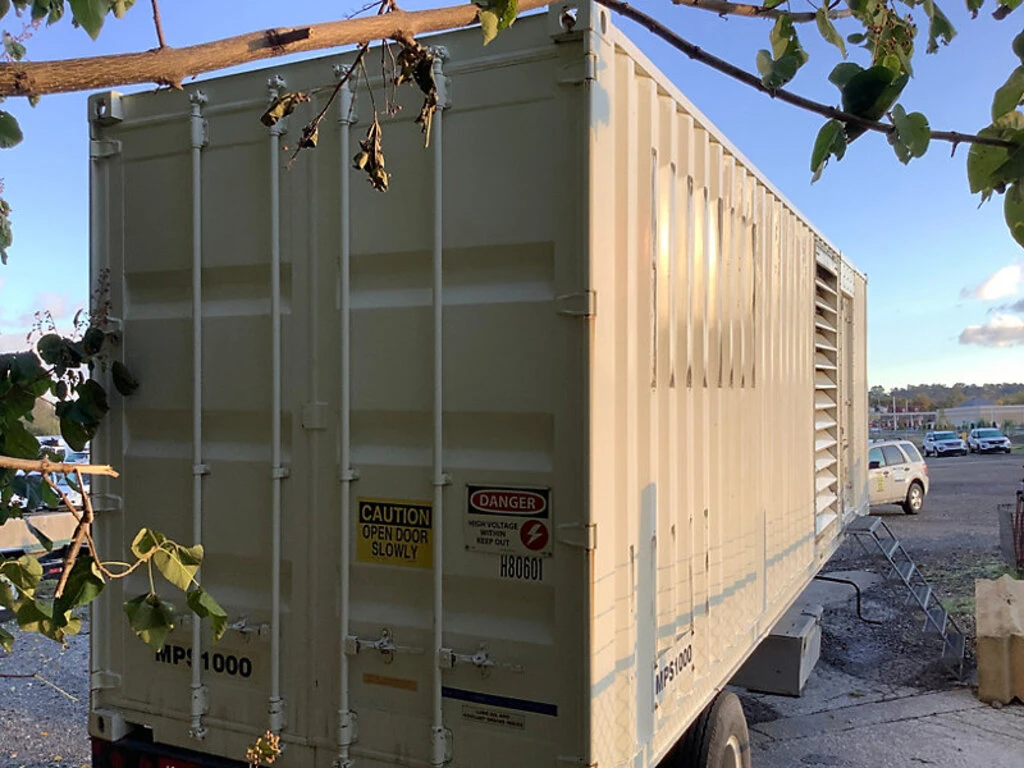
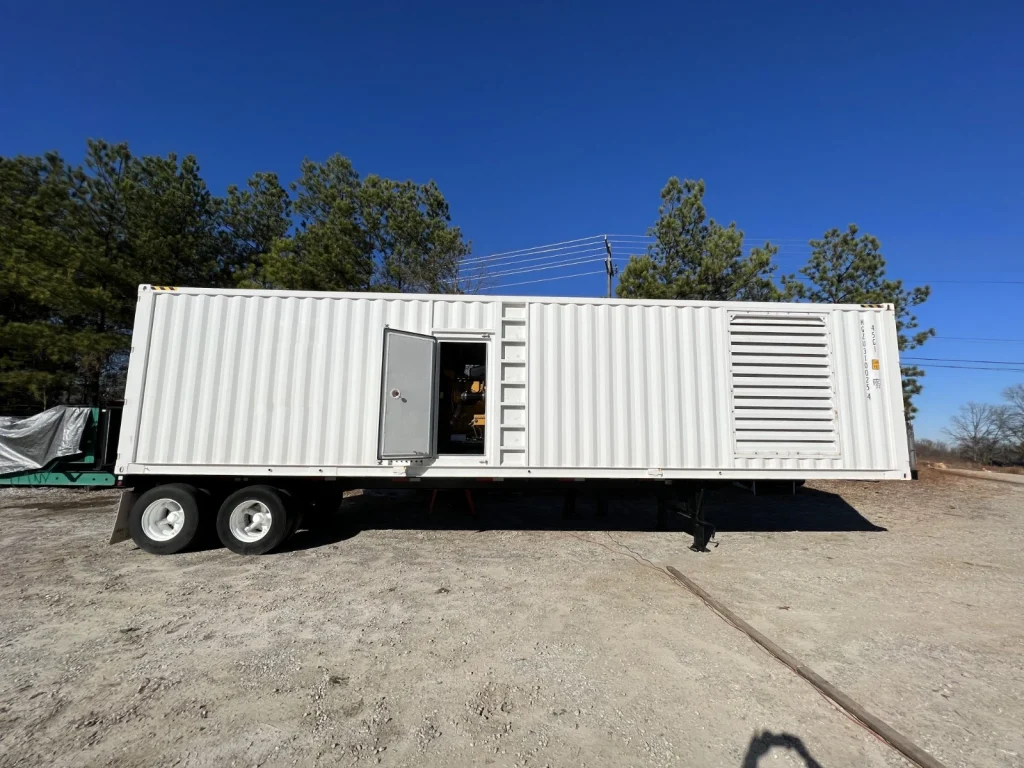
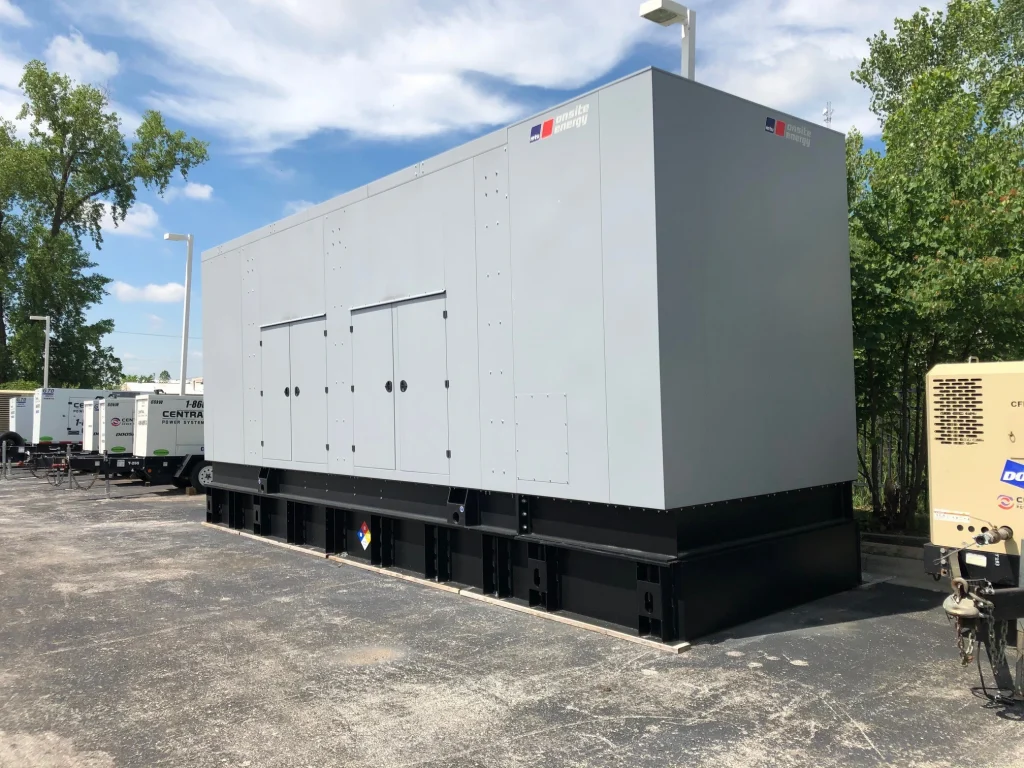
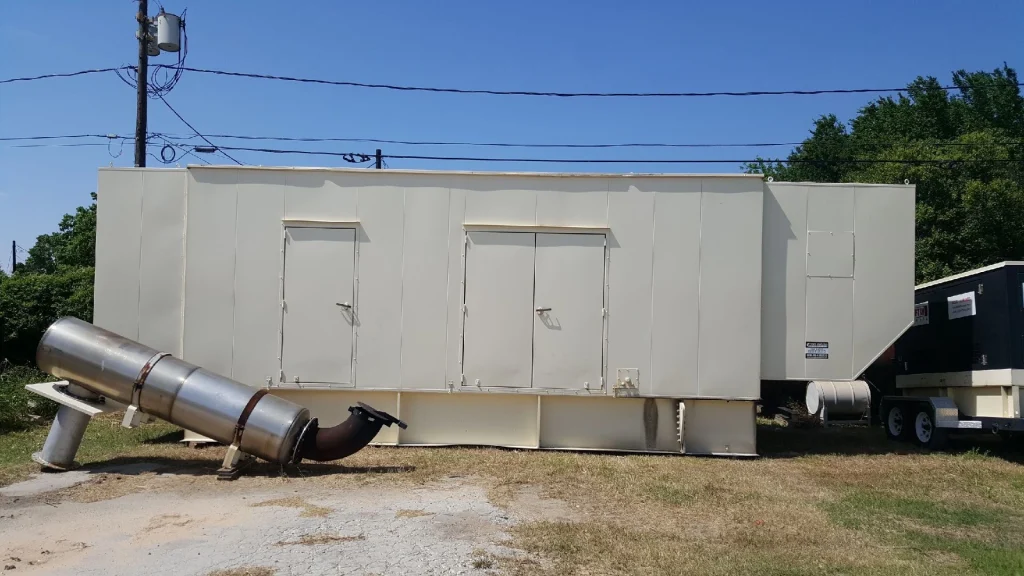
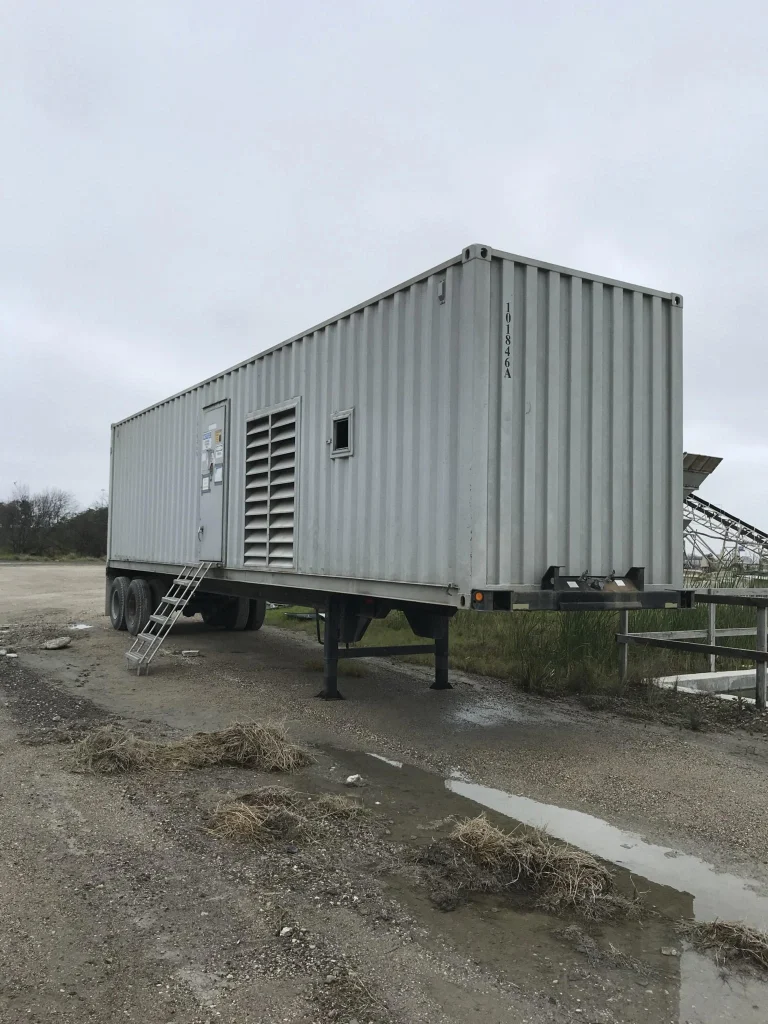
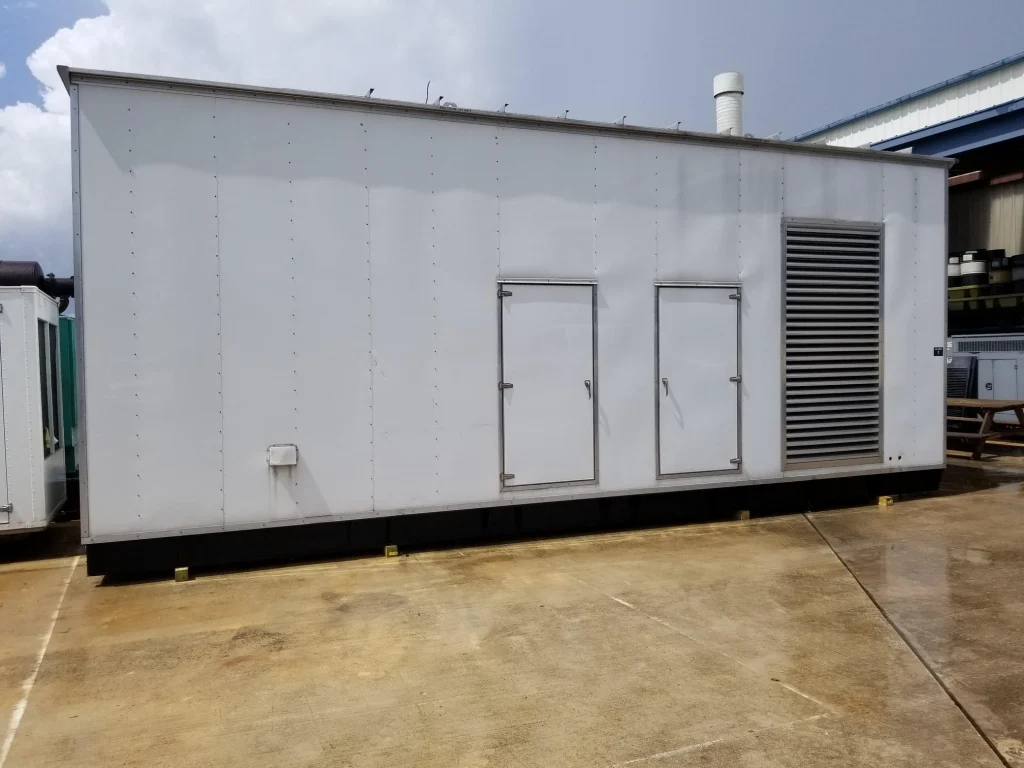
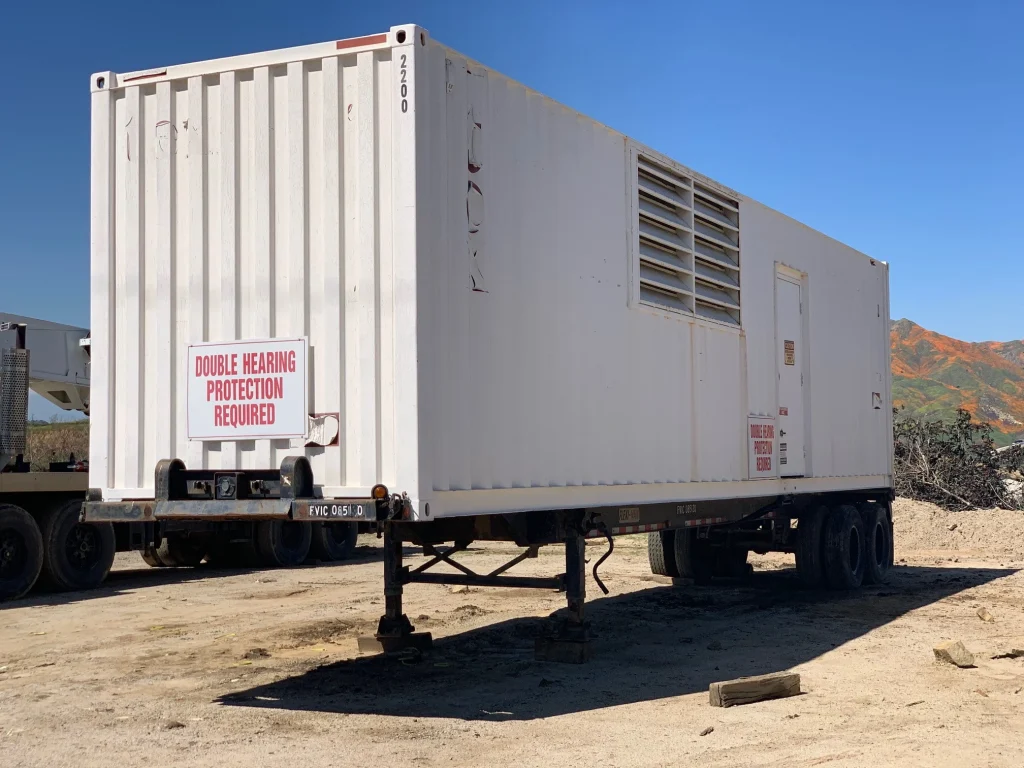
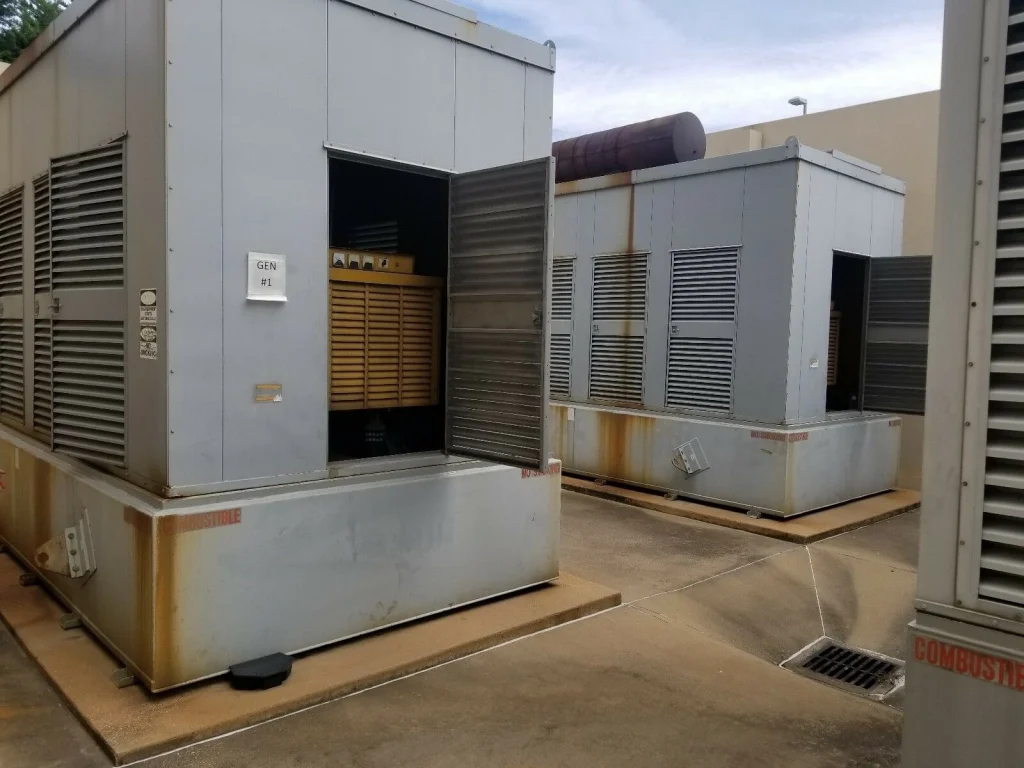
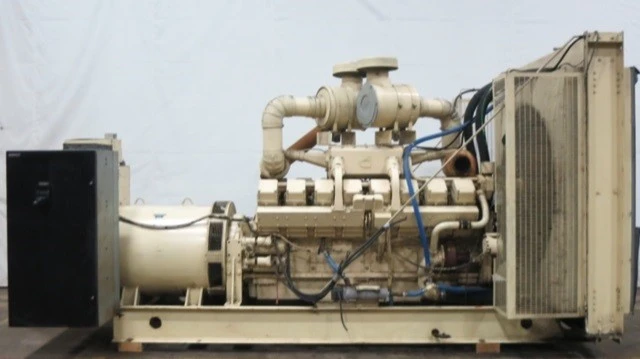
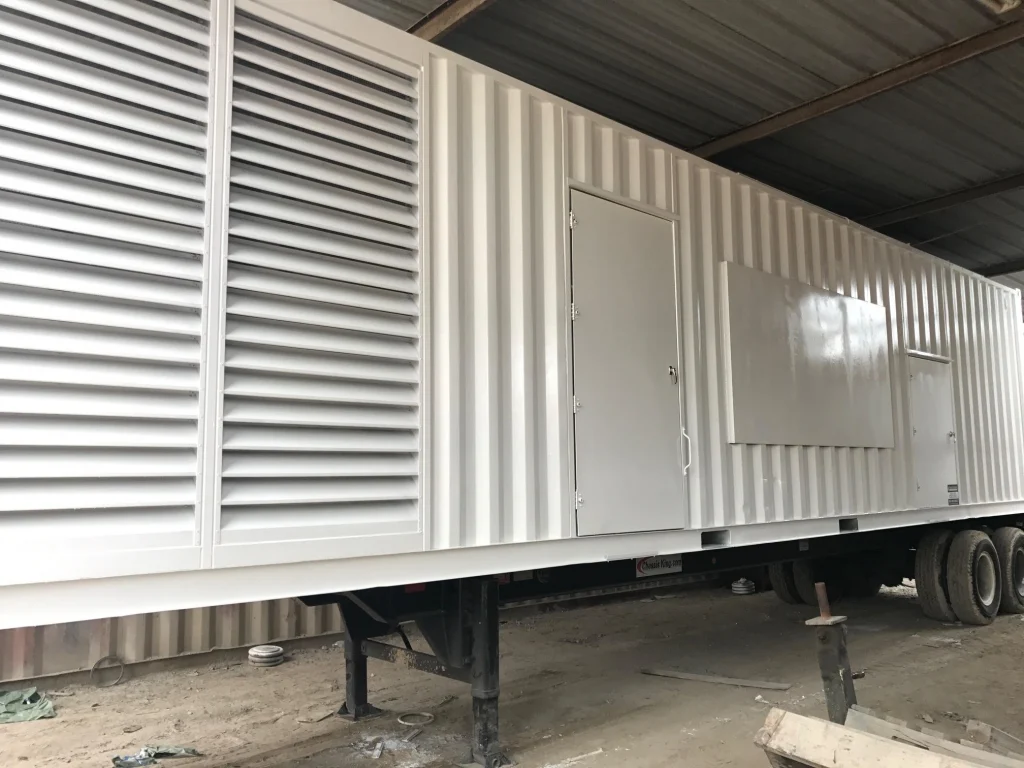
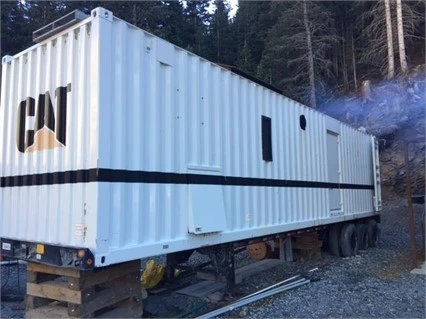
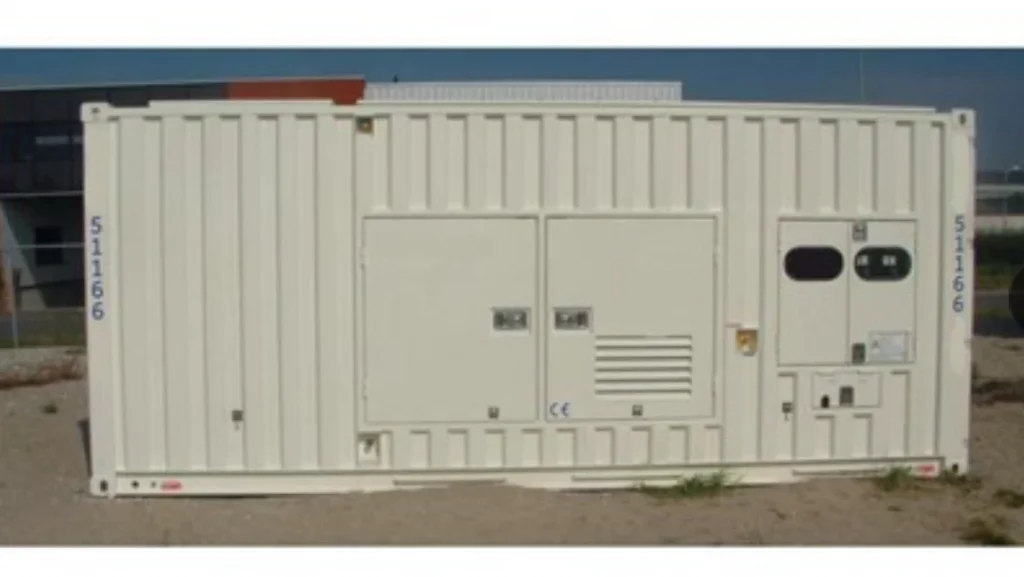
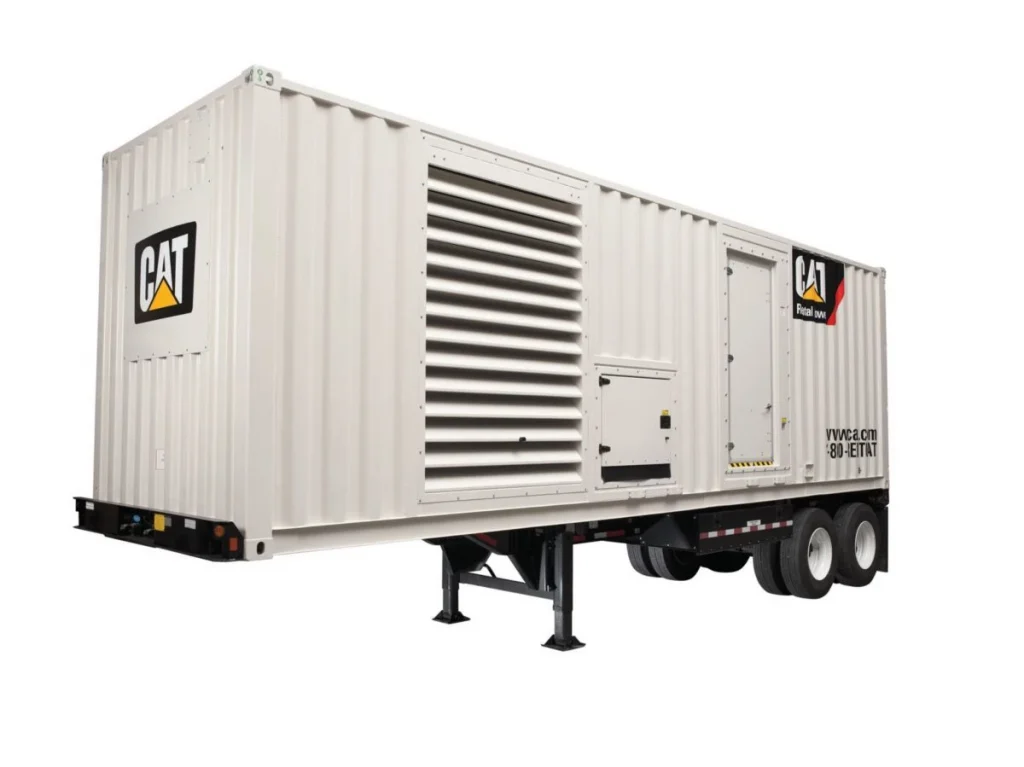
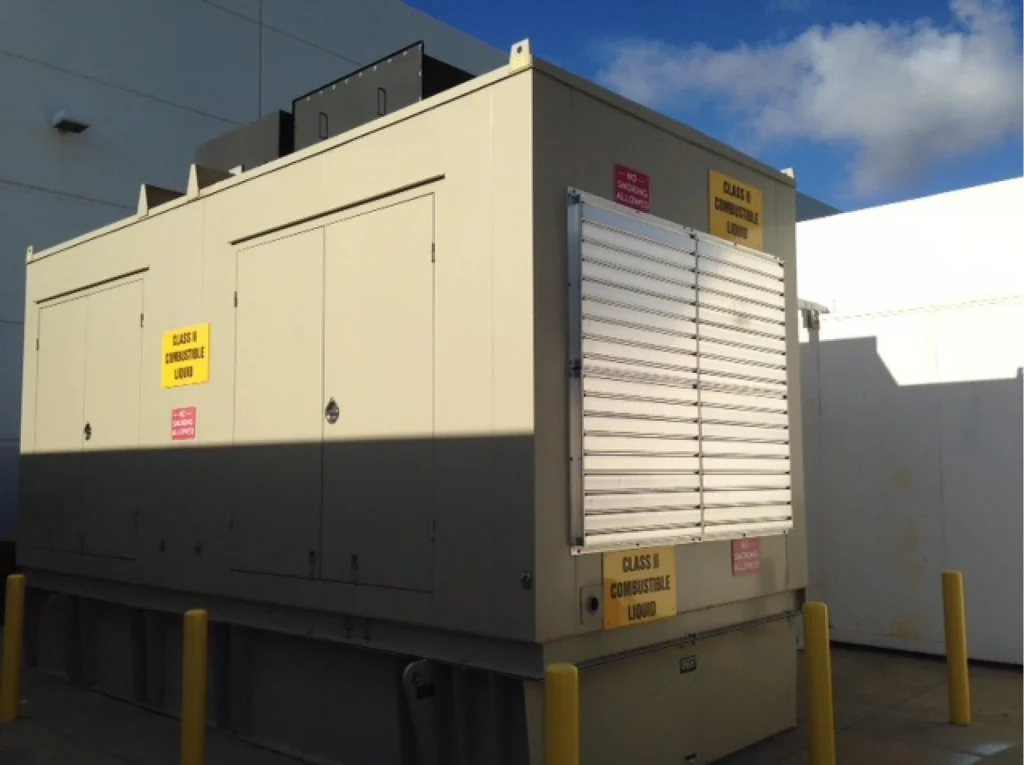
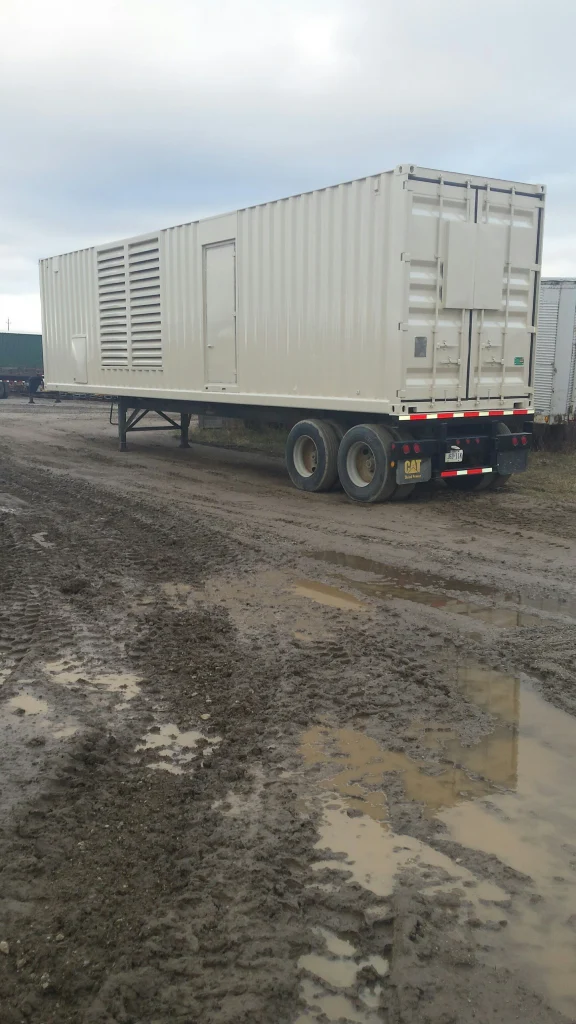
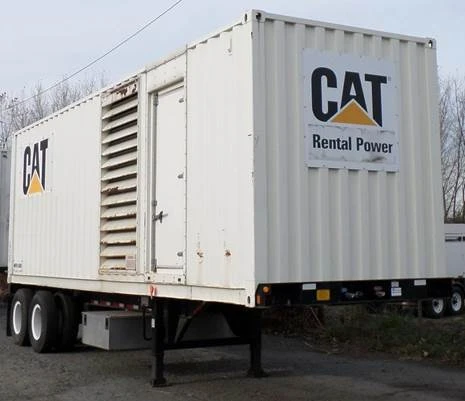
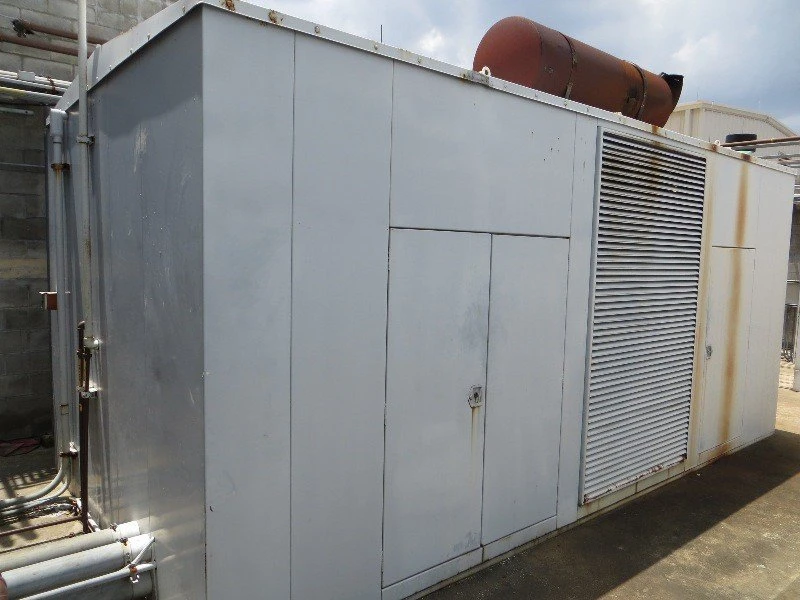
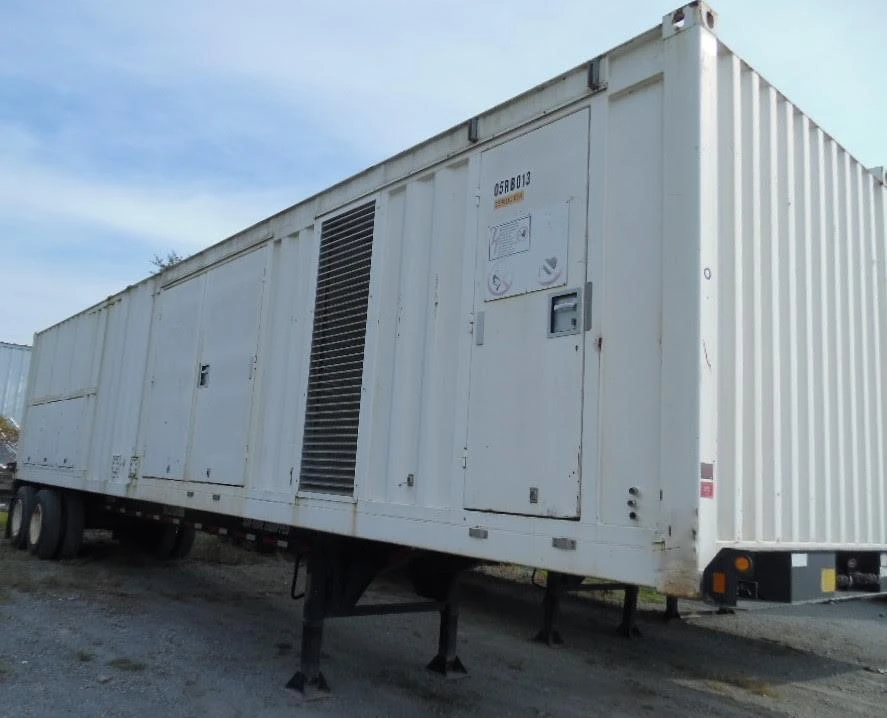
Yes — we ship nationwide from Santa Clarita, CA. A 1000 kW open-skid unit weighs roughly 18,000-22,000 lbs and ships on a step-deck or RGN trailer. An enclosed unit with sub-base fuel tank can run 28,000-40,000 lbs and may need permit routing depending on dimensions. International export to Latin America, the Caribbean, and Asia-Pacific is available — we have shipped 1000 kW units to Mexico, Chile, Peru, and the Philippines. Contact us with the install address and we'll quote freight as part of the deal.
Need a 1000 kW Generator on a Specific Timeline?
<p>We have 163 units in the 1000 kW class at our Santa Clarita yard right now — CAT 3512B and 3512C, Cummins QST30, KTA50, QSK50, Kohler 1000REOZD, MTU 12V2000, and Detroit/MTU 1000DSEC. We can ship in 2-4 weeks instead of the 16-24 weeks a new unit takes. Tell us the application — hospital, data center hall, water treatment, prime industrial — and we will quote the right unit at the right tier with hours, last load bank result, and oil sample history. Call (818) 484-8550 or request a quote and we typically respond inside 2 hours.</p>
Request 1000 kW Availability