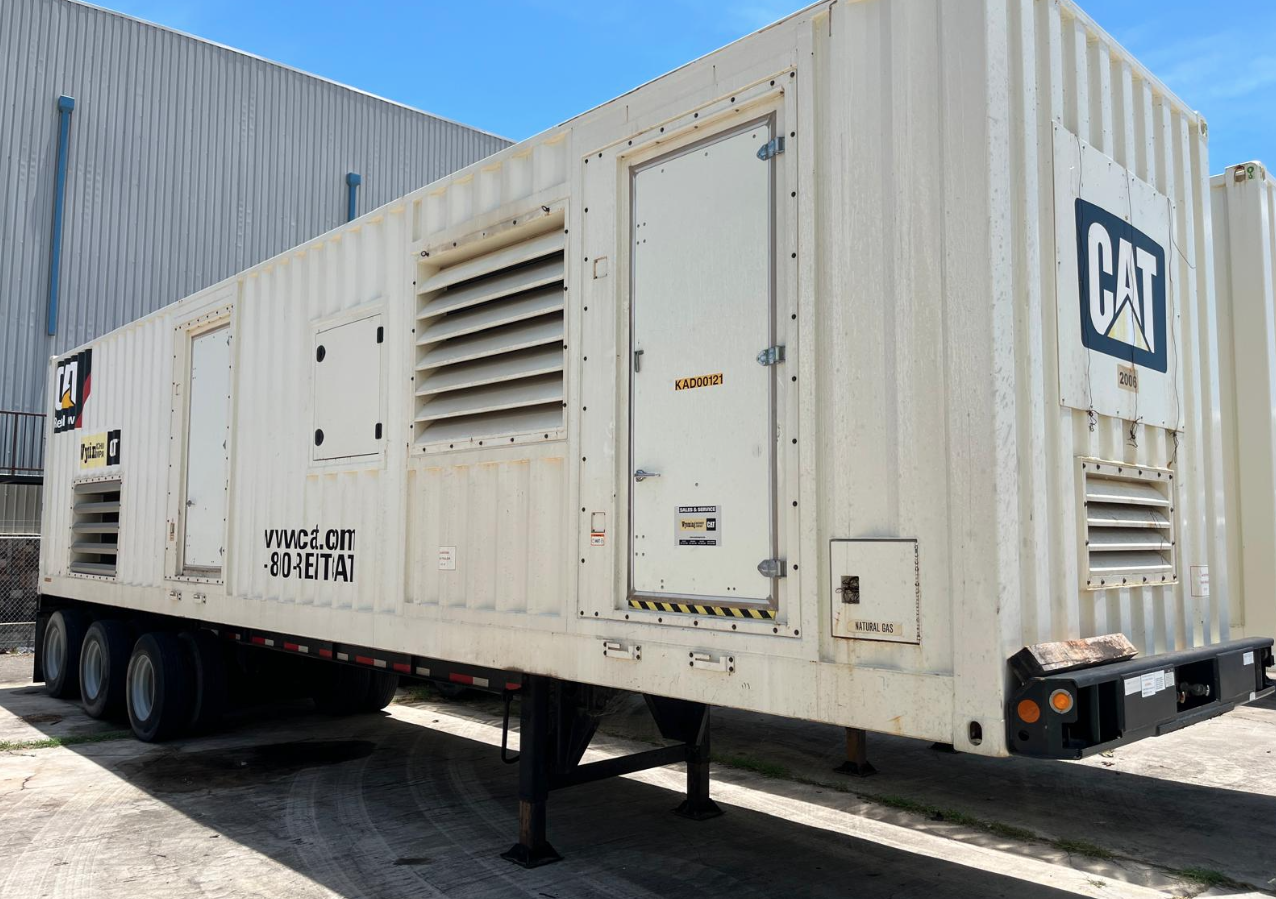
Caterpillar’s XQ Series represents the gold standard in mobile power generation. Whether you’re managing a construction site, running a rental fleet, or need reliable backup power that can move between locations, understanding what sets these generators apart helps you make smarter purchasing decisions. This guide covers the complete XQ lineup from compact 30kW units to the massive 1250kW natural gas power modules.
The XQ designation stands for “Extra Quiet” combined with “Quick” deployment capability—two features that define these units. Unlike traditional stationary generators, XQ Series models arrive ready to connect and operate with minimal setup time. Factory-integrated fuel tanks, weatherproof enclosures, and trailer-mounted configurations mean you can have power flowing within hours of delivery rather than days.
Understanding the XQ Series Lineup
Caterpillar structures the XQ Series around standardized power outputs that match common jobsite requirements. The smallest models—XQ20 and XQ30—handle office trailers, lighting systems, and small tool loads. Mid-range units like the XQ60, XQ100, and XQ125 power larger operations including welding equipment, concrete plants, and temporary facilities. The heavy hitters—XQ200, XQ230, XQ300, and beyond—supply prime or standby power for major construction projects, events, and industrial applications.
Each XQ model shares common design DNA. Sound-attenuated enclosures reduce noise levels to neighborhood-friendly decibels, typically 65-75 dB(A) at 7 meters. Integrated fuel tanks provide 24-hour runtime at typical loads without refueling. The CAT Electronic Technician (ET) interface allows remote monitoring and diagnostics, while EMCP control panels give operators familiar, consistent interfaces across the entire fleet.
Tier 3 vs Tier 4 Final: What Buyers Need to Know
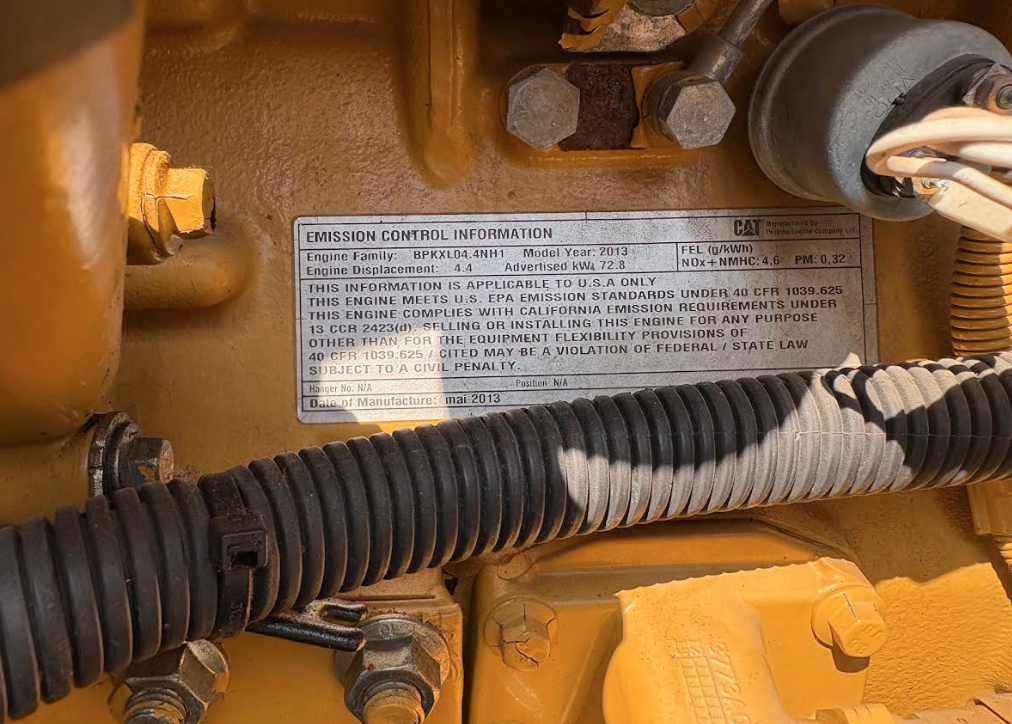
The biggest decision when purchasing XQ Series generators involves emissions tier selection. Tier 3 units remain popular for their simplicity—no diesel particulate filter (DPF) and no diesel exhaust fluid (DEF) requirements. These generators cost less upfront and demand less maintenance. However, they face restrictions in California and other CARB-regulated areas, and their resale markets continue shrinking as environmental standards tighten.
Tier 4 Final models command premium pricing but deliver cleaner operation and broader geographic flexibility. The aftertreatment systems add complexity—you’ll manage DEF consumption and periodic DPF regeneration cycles. For standby applications where the generator sits idle for extended periods, DEF quality management becomes critical. Using a NüDef stabilizer helps prevent crystallization that can damage expensive SCR components during storage.
Rental Grade vs Standard: The Durability Difference
Caterpillar produces XQ generators in both standard and rental-grade configurations. Rental-grade units feature reinforced enclosures, heavy-duty trailer frames, and components designed to withstand the abuse of frequent transport and multiple operators. These generators cost more initially but typically outlast standard units by years in demanding applications.
For buyers purchasing used equipment, rental-grade origins often indicate better long-term value despite higher hours. Rental fleets maintain strict service schedules and replace components proactively. A 5,000-hour rental-grade XQ125 frequently outlasts a 2,000-hour unit that received sporadic maintenance from a single owner who prioritized other equipment.
XQ Natural Gas Models: The Growing Alternative
The XQ1250G represents Caterpillar’s flagship natural gas mobile power solution. At 1250kW output, it rivals large diesel generators while eliminating DEF requirements entirely. Pipeline connections or LNG/CNG fuel systems provide the fuel source, making these units ideal for locations with natural gas infrastructure or operations prioritizing emissions reduction.
Operating costs for natural gas generators depend heavily on local fuel pricing. In regions where natural gas costs significantly less than diesel, the XQ1250G and similar models can deliver substantial savings over their operational lifetime. The absence of diesel particulate filters and DEF systems also reduces maintenance complexity and parts expenses.
Buying Used XQ Generators: What to Inspect
The used XQ market offers significant savings over new equipment, but smart buying requires careful evaluation. Start with runtime hours and service records—well-documented maintenance history matters more than low hours alone. Inspect the enclosure for damage that might indicate rough handling or transport incidents. Check the trailer frame, axles, and tires if purchasing a towable unit.
For Tier 4 Final units, verify the aftertreatment system condition. DPF and SCR components represent significant replacement costs if neglected. Request DEF quality testing results and inspect the DEF tank for crystallization residue. Load bank test results demonstrate actual output capability rather than theoretical ratings. Reputable sellers like Power Generation Enterprises provide comprehensive documentation and stand behind their equipment.
Browse our full selection of Caterpillar XQ Series generators for sale.