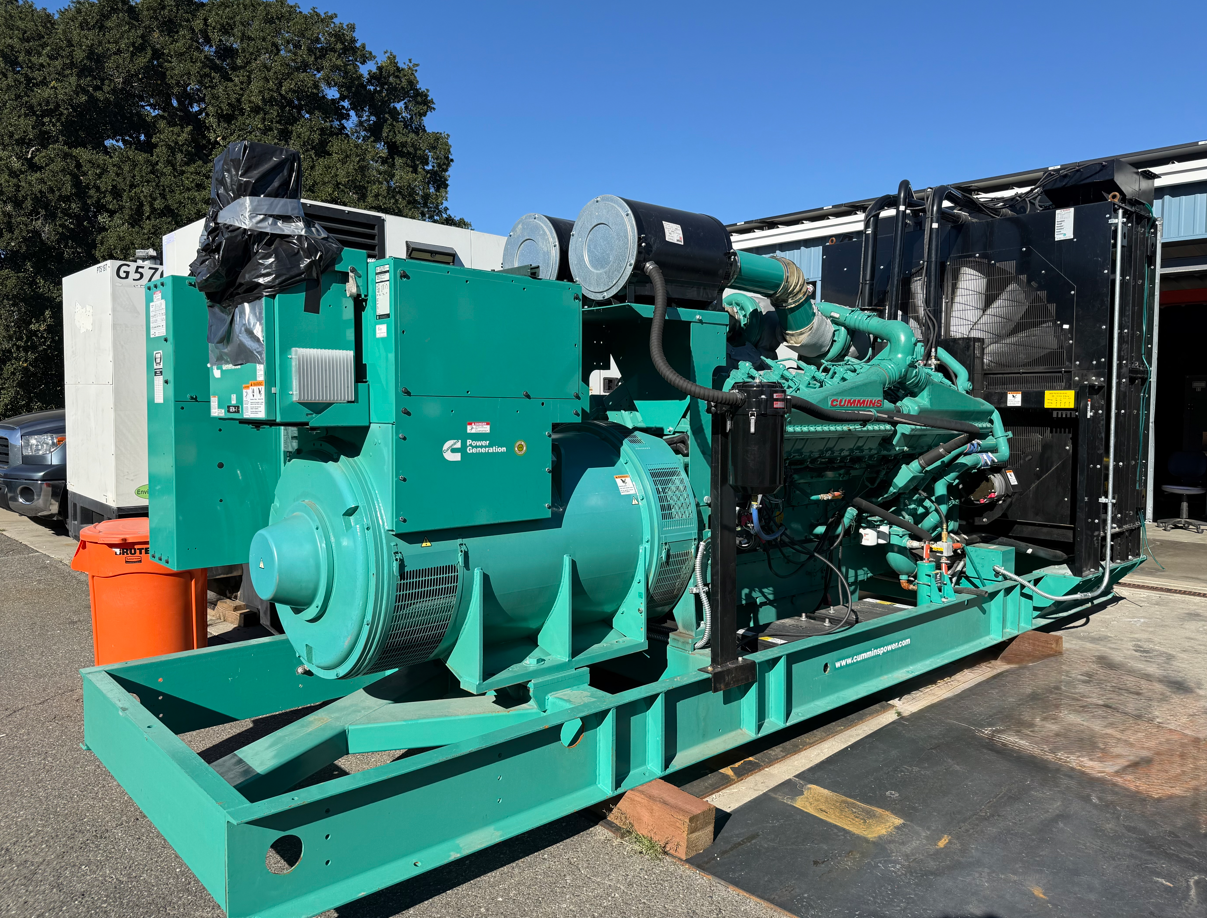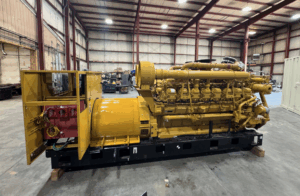
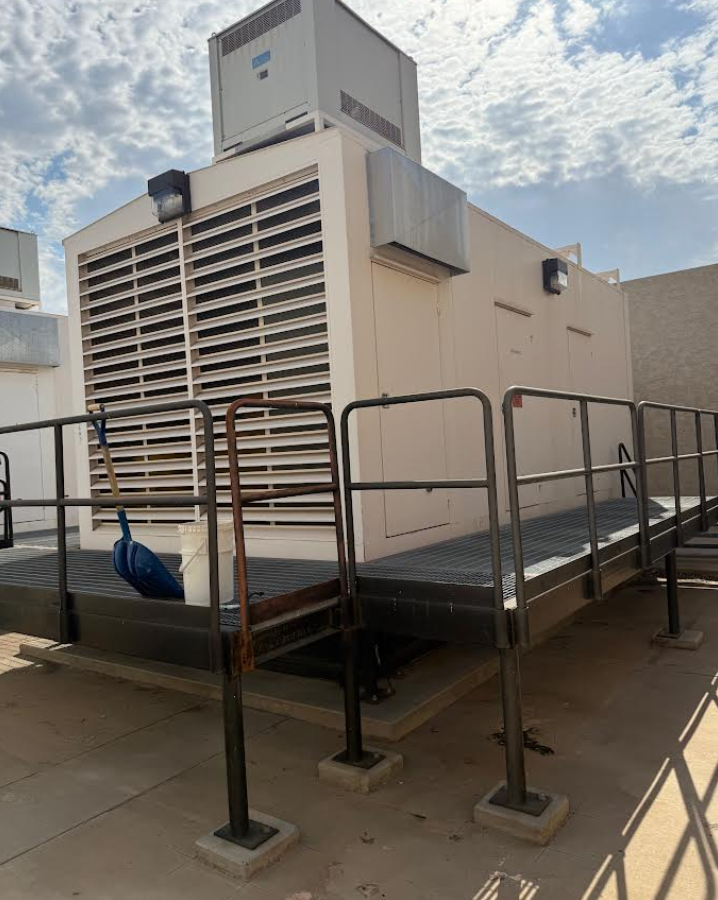
When it comes to industrial power generation, two names dominate the conversation: Caterpillar and Cummins. Both manufacturers have built their reputations over decades of engineering excellence, and both continue to power critical infrastructure across the globe. For facility managers, fleet operators, and procurement specialists facing the decision between these two giants, the choice often comes down to nuanced factors that go far beyond simple horsepower ratings.
The rivalry between Caterpillar and Cummins represents more than just brand competition—it reflects two fundamentally different approaches to diesel engine manufacturing. Caterpillar maintains vertically integrated production, manufacturing nearly every component in-house, while Cummins has built its empire on engine excellence combined with strategic partnerships. Understanding these philosophical differences helps explain why certain applications favor one brand over the other, and why both continue to thrive in an increasingly competitive market.
Brand Heritage and Market Position
Caterpillar Inc., headquartered in Deerfield, Illinois, traces its diesel engine heritage to the 1930s when the company began developing engines for its own heavy equipment. This origin story matters because it shaped CAT’s approach to generator design—engines built to withstand the punishing conditions of mining, construction, and earthmoving naturally translate to exceptional durability in stationary power applications. Today, Caterpillar offers generators ranging from compact 15kW units to massive 17,460kW installations capable of powering entire industrial complexes.
Cummins Inc., based in Columbus, Indiana, took a different path. Founded in 1919 specifically as an engine company, Cummins has always focused exclusively on powertrains rather than end equipment. This singular focus has produced some of the most refined diesel engines in the world, with the company’s QSK and KTA series earning legendary status among operators. Cummins generators typically range from 20kW to 3,500kW, with the company commanding particular strength in the mid-range industrial segment where its dealer network provides unmatched support.
Engine Technology and Performance Characteristics
Caterpillar’s flagship generator engines—the 3500 series and C-series—embody the company’s philosophy of overbuilt reliability. The 3516B, for instance, displaces 78 liters and produces up to 2,500kW with a reputation for running decades with proper maintenance. CAT engines tend toward conservative power ratings, meaning they often operate well below their theoretical limits, contributing to extended service life. The trade-off comes in physical size and weight; Caterpillar generators frequently require more installation space than comparable Cummins units.
Cummins takes a more refined approach to power density. The QSK60, displacing 60 liters, achieves 2,000kW through advanced fuel injection and turbocharging technology. Cummins engines generally run at slightly higher specific output levels, resulting in more compact packages. The company’s High Pressure Common Rail (HPCR) fuel systems deliver precise fuel metering that enhances both efficiency and emissions performance. For applications where space constraints matter, Cummins often provides an advantage.
Both manufacturers have invested heavily in electronic controls. Caterpillar’s EMCP (Engine Monitoring Control Panel) systems and Cummins’ PowerCommand provide sophisticated monitoring, protection, and paralleling capabilities. Modern units from both brands integrate seamlessly with building management systems and support remote monitoring, though operators familiar with one platform often develop strong preferences based on interface design and diagnostic workflows.
Reliability and Service Network Considerations
Reliability comparisons between Caterpillar and Cummins generators yield remarkably similar results in controlled studies. Both brands achieve availability rates exceeding 99% when properly maintained, and both have earned their places in mission-critical applications including hospitals, data centers, and water treatment facilities. The more relevant question for most buyers concerns service accessibility rather than theoretical reliability.
Cummins operates one of the most extensive diesel service networks in North America, with over 600 distributor and dealer locations in the United States alone. This network density translates to faster response times and broader parts availability in most regions. For operations in remote locations or with strict uptime requirements, the ability to reach a Cummins technician within hours rather than days can justify brand selection regardless of other factors.
Caterpillar counters with its own substantial dealer network, though coverage tends to concentrate in areas with significant construction and mining activity. CAT dealers often maintain deeper inventories of heavy-duty components and more experience with high-horsepower applications. For generators above 1,500kW, Caterpillar’s service network frequently offers advantages in both expertise and parts availability.
Fuel Efficiency and Emissions Compliance
Modern Tier 4 Final generators from both Caterpillar and Cummins achieve remarkably similar fuel efficiency figures, typically within 3-5% of each other at comparable load points. The specific efficiency advantage shifts depending on the power range and operating profile. Caterpillar generators tend to show slight efficiency advantages at high load factors above 75%, while Cummins units often perform better under variable loads common in standby applications.
Both manufacturers meet EPA Tier 4 Final standards through similar aftertreatment strategies combining diesel particulate filters (DPF) with selective catalytic reduction (SCR). This means both require Diesel Exhaust Fluid (DEF) consumption at rates of 2-6% of fuel use. For standby generators that may sit idle for extended periods, DEF quality maintenance becomes critical regardless of brand. Temperature extremes and extended storage can cause DEF crystallization that damages SCR system components—a concern equally applicable to both Caterpillar and Cummins equipment.
Natural gas options from both manufacturers have matured significantly in recent years. Caterpillar’s G3500 series and Cummins’ lean-burn gas engines offer viable alternatives to diesel where pipeline gas is available. Gas generators eliminate DEF requirements entirely while potentially qualifying for additional emissions credits in certain jurisdictions. The economic case depends heavily on local fuel pricing, but both brands now offer gas solutions competitive with their diesel lineups.
Total Cost of Ownership Analysis
Acquisition costs favor Cummins in most power ranges below 1,500kW, where their generators typically price 10-15% below comparable Caterpillar units. This gap narrows considerably in the heavy industrial segment, where Caterpillar’s manufacturing scale provides cost advantages on large engines. Used equipment markets show both brands holding value well, with Caterpillar commanding slight premiums in construction-heavy regions and Cummins maintaining stronger positions in transportation corridors.
Parts and service costs present a more nuanced picture. Caterpillar OEM parts typically carry 10-20% premiums over Cummins equivalents, though availability is comparable through authorized dealer networks. Both manufacturers have expanded genuine parts availability through online platforms, reducing historical advantages held by Cummins in parts accessibility. Labor rates vary primarily by region rather than brand, though technician familiarity can affect diagnosis time and first-time fix rates.
The 25-year lifecycle cost analysis that matters for capital planning shows remarkable convergence between brands when all factors are included. A 500kW diesel standby system will cost approximately $150,000-$180,000 over its lifetime regardless of brand, with the specific figure depending more on utilization patterns, maintenance practices, and local service costs than on manufacturer selection. This equivalence suggests that brand selection should prioritize factors other than pure economics for most applications.