EPA Tier 3 vs Tier 4 Final: Generator Emissions Guide

8 min read

Key Takeaway: The transition from Tier 3 to Tier 4 Final achieves a 90% reduction in PM and NOx emissions but carries a 40-50% price premium. Emergency standby generators may qualify for exemptions allowing continued use of Tier 3 equipment under the 100-hour annual testing limit.

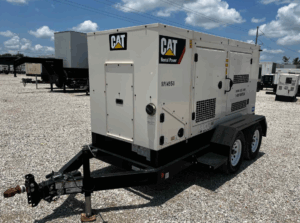
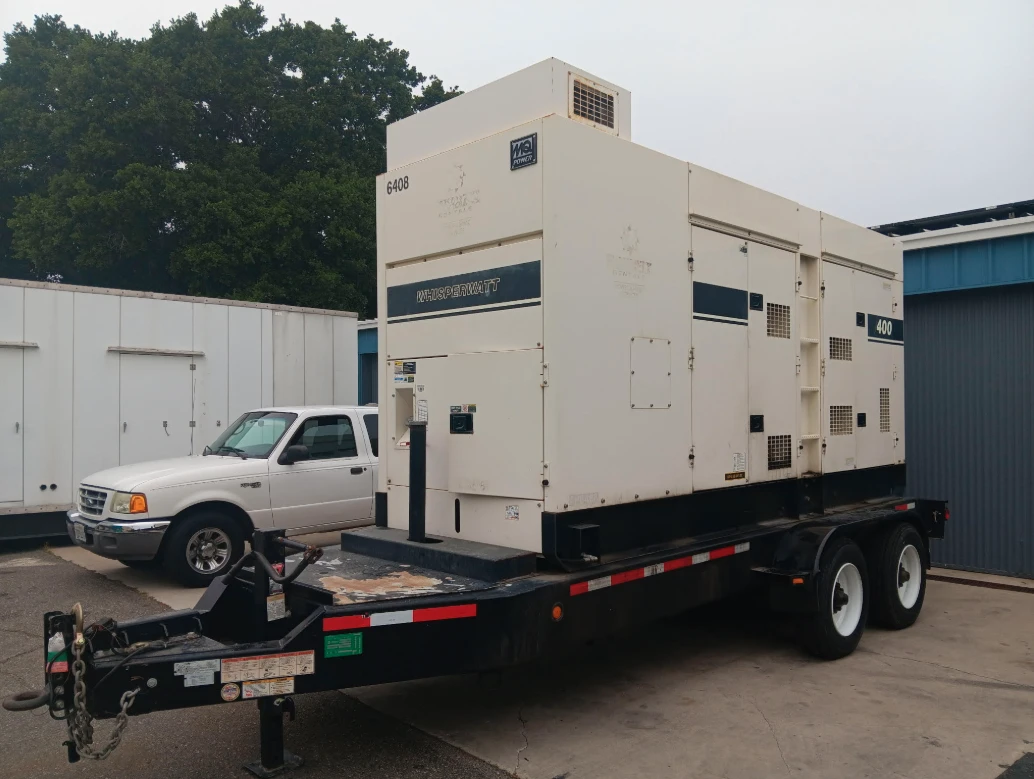
gs4821 mq dca400ssi4f3 powergenerationenterprises 8184848550 8

The shift from EPA Tier 3 to Tier 4 Final represents one of the most significant emissions reductions in diesel engine regulatory history. For industrial diesel generators, this transition means a 90% reduction in both particulate matter (PM) and nitrogen oxides (NOx), achieved through mandatory aftertreatment systems including diesel particulate filters (DPF) and selective catalytic reduction (SCR).

For facility managers, fleet operators, and anyone purchasing diesel generators, understanding these standards is critical—not just for regulatory compliance, but for making informed decisions about total cost of ownership. While Tier 4 Final generators carry a 40-50% price premium, important exemptions exist for emergency standby applications that may allow continued use of Tier 3 equipment.

Tier 4 Final Slashes PM and NOx by 90% Compared to Tier 3

The federal emissions standards for stationary diesel generators are governed by 40 CFR Part 60, Subpart IIII, which incorporates the nonroad engine standards from 40 CFR Part 1039 by reference. For generators in the common 130-560 kW range, PM limits dropped from 0.20 g/kW-hr under Tier 3 to just 0.02 g/kW-hr under Tier 4 Final—a 90% reduction.

Similarly, NOx emissions decreased from 4.0 g/kW-hr (combined with NMHC under Tier 3) to 0.40 g/kW-hr as a standalone limit under Tier 4 Final. These dramatic reductions necessitated the addition of sophisticated DPF and SCR aftertreatment systems that characterize Tier 4 Final technology.

California and State-Level Regulations

California operates the most stringent stationary diesel engine regulatory framework through its Airborne Toxic Control Measure (ATCM). Emergency engines are typically limited to 20-50 hours per year for testing—significantly stricter than the federal 100-hour allowance. The South Coast AQMD and Bay Area AQMD increasingly mandate Tier 4 as Best Available Control Technology (BACT) for new installations.

Other states with enhanced requirements include New York (permits required for engines ≥200 HP in NYC metro), New Jersey (operation restrictions on poor air quality days), and Texas (testing limited to outside 6 AM – noon in certain areas).

DEF and Aftertreatment Maintenance Requirements

Tier 4 Final generators require Diesel Exhaust Fluid (DEF) for their SCR systems, with consumption rates typically ranging from 2-6% of diesel fuel consumption. For a 500 kW standby generator operating at 75% load, this translates to roughly 1-2 gallons of DEF per hour. Annual DEF costs for standby applications running 100 hours typically range from $100-$350.

The diesel particulate filter requires both passive and active regeneration. DPF cleaning intervals are typically 3,000-4,500 hours depending on engine size and duty cycle. Low-load operation and excessive idling accelerate soot accumulation and may require more frequent service. NOx sensors are the most frequently replaced aftertreatment components, with costs of $450-$1,500 per sensor.

Cost Comparison: Tier 3 vs Tier 4 Final

Industry experience shows price premiums of 40-50% for Tier 4 Final generators compared to equivalent Tier 3 equipment. However, Tier 4 Final engines typically achieve up to 5% better fuel efficiency, partially offsetting higher acquisition costs over the equipment lifecycle.

Total cost of ownership must account for DEF consumption ($100-350+ annually), specialized service requirements, and the availability of Tier 4-trained technicians in your area. For a 25-year lifecycle, industry estimates show total costs of $140,000 for a 150 kW diesel standby system and $390,000 for a 500 kW system.

Emergency Standby Exemptions

The most significant regulatory carve-out permits emergency stationary CI engines to meet Tier 2 or Tier 3 standards instead of Tier 4 Final. This exemption applies to engines 37 kW (50 HP) and above used for emergency standby applications.

To qualify, operations must be limited to: unlimited hours during actual emergencies, maximum 100 hours per year for maintenance and testing, and prohibited uses include peak shaving and non-emergency demand response. Exceeding these limits causes permanent loss of emergency classification.
Understanding the Regulatory Framework

The EPA established tiered emissions standards for nonroad diesel engines beginning in 1996, with progressively stricter requirements phased in through 2015. Tier 4 Final, the current standard for most new diesel generators, represents the culmination of this regulatory progression.

For stationary generators, compliance is governed by 40 CFR Part 60, Subpart IIII, which references the nonroad engine standards. This means generators must meet the same emissions requirements as construction equipment, agricultural machinery, and other nonroad diesel applications.

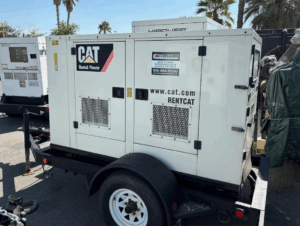
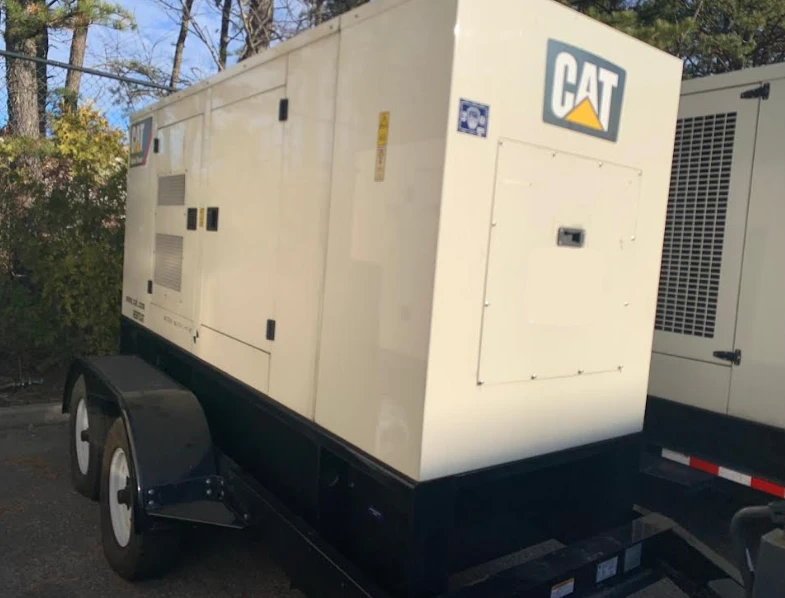
xq100 powergenerationenterprises 13 2
StandardEngine PowerNOxPMCO
Tier 375-130 kW4.0 g/kW-hr0.30 g/kW-hr5.0 g/kW-hr
Tier 3130-560 kW4.0 g/kW-hr0.20 g/kW-hr3.5 g/kW-hr
Tier 4 Final56-130 kW0.40 g/kW-hr0.02 g/kW-hr5.0 g/kW-hr
Tier 4 Final130-560 kW0.40 g/kW-hr0.02 g/kW-hr3.5 g/kW-hr

Making the Right Choice for Your Application

The decision between Tier 3 and Tier 4 Final depends on several factors: your operating location, intended use case, budget constraints, and long-term ownership plans. For true emergency standby applications with limited testing requirements, Tier 3 may offer significant cost savings. For prime power, continuous duty, or applications in strict regulatory jurisdictions like California, Tier 4 Final is typically required.

Working with an experienced generator supplier who understands both the technical and regulatory landscape can help ensure you make the right choice for your specific needs.

Compliance Tips for Buyers
1
Verify Emergency Classification
Ensure your application truly qualifies as emergency standby under 40 CFR definitions to utilize Tier 3 exemptions.
2
Track Operating Hours
Install a non-resettable hour meter and maintain detailed records. Exceeding 100 hours of testing loses emergency status.
3
Check State Requirements
California, New York, and Texas have stricter limits than federal standards. Verify local air district rules.
4
Plan for DEF Storage
DEF must be stored between 12-86F. Temperatures above 95F reduce shelf life from 2 years to 1-6 months. Using a <a href="https://nudef.com/product/nudef-diesel-exhaust-fluid-additive-stabilizer/" target="_blank" rel="noopener">NüDef stabilizer additive</a> can help prevent crystallization and extend storage life.
5
Budget for Maintenance
Tier 4 systems require specialized service. Factor in NOx sensor replacement costs of $500-$1,500 every few years.
Frequently Asked Questions
What is the main difference between Tier 3 and Tier 4 Final?+

Tier 4 Final achieves a 90% reduction in particulate matter (PM) and nitrogen oxides (NOx) compared to Tier 3, requiring diesel particulate filters (DPF) and selective catalytic reduction (SCR) aftertreatment systems.

How much more expensive is a Tier 4 Final generator?+

Industry experience shows Tier 4 Final generators carry a 40-50% price premium over equivalent Tier 3 equipment, though they offer up to 5% better fuel efficiency.

Can I still buy a Tier 3 generator for my facility?+

Yes, if your application qualifies as emergency standby under EPA regulations. Emergency generators limited to 100 hours of annual testing can use Tier 3 equipment. However, California and some states have stricter requirements.

What is DEF and why is it needed?+

Diesel Exhaust Fluid (DEF) is a urea-based solution required by Tier 4 Final SCR systems to reduce NOx emissions. Consumption is typically 2-6% of fuel use, costing $100-350 annually for standby applications. To prevent DEF crystallization and freezing issues, consider using a NüDef stabilizer and treatment additive to protect your SCR system components.

What happens if I exceed the 100-hour testing limit?+

Exceeding operational limits causes permanent loss of emergency classification, triggering full Tier 4 compliance requirements for the remaining life of the engine.

Need Help Selecting the Right Emissions Tier?

Our generator specialists can help you navigate EPA compliance requirements and find the right Tier 3 or Tier 4 generator for your application. We offer both new and quality used generators with full documentation.

Talk to a Specialist →
Power Generation Enterprises

Written by Power Generation Enterprises

Generator Specialist
Power Generation Enterprises has been a trusted source for industrial generators since 1989. Our team includes EPA compliance specialists who help customers navigate emissions requirements across all 50 states.